
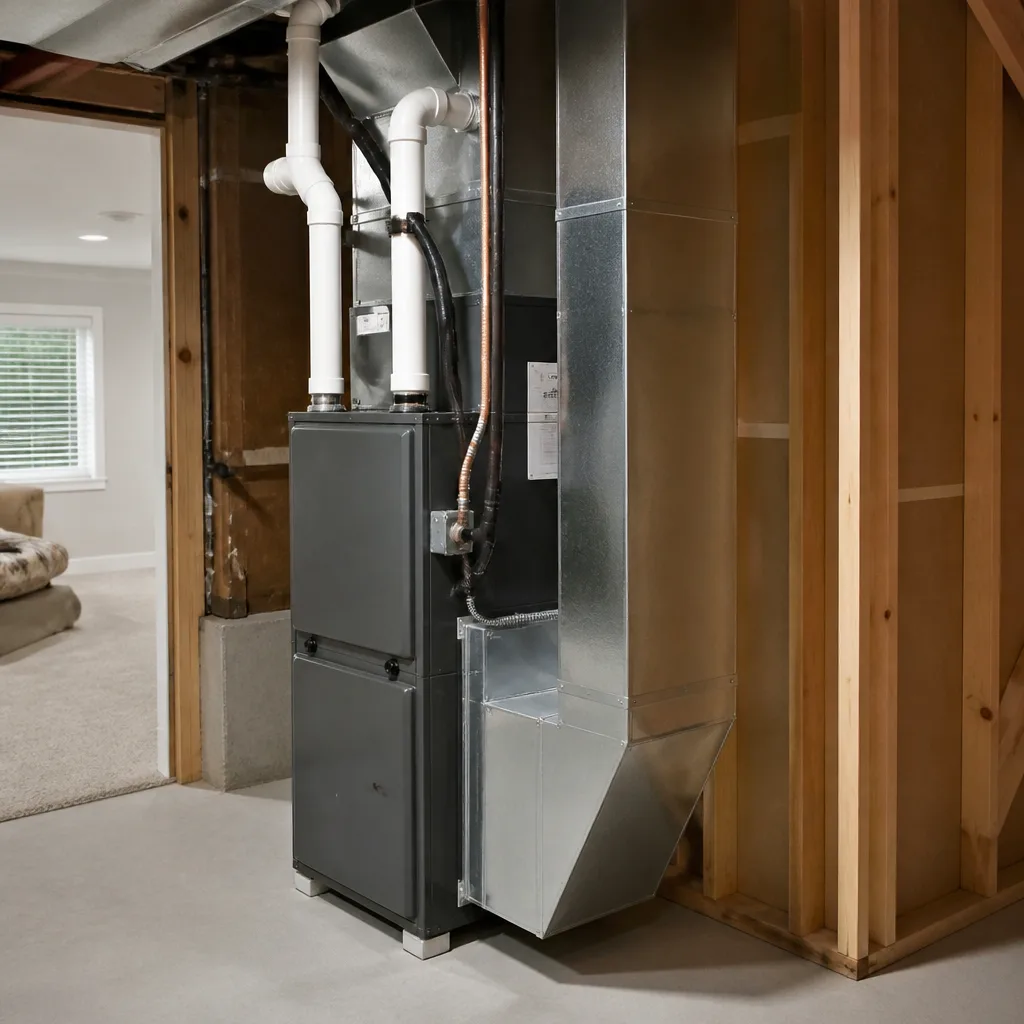
 Furnace & heating
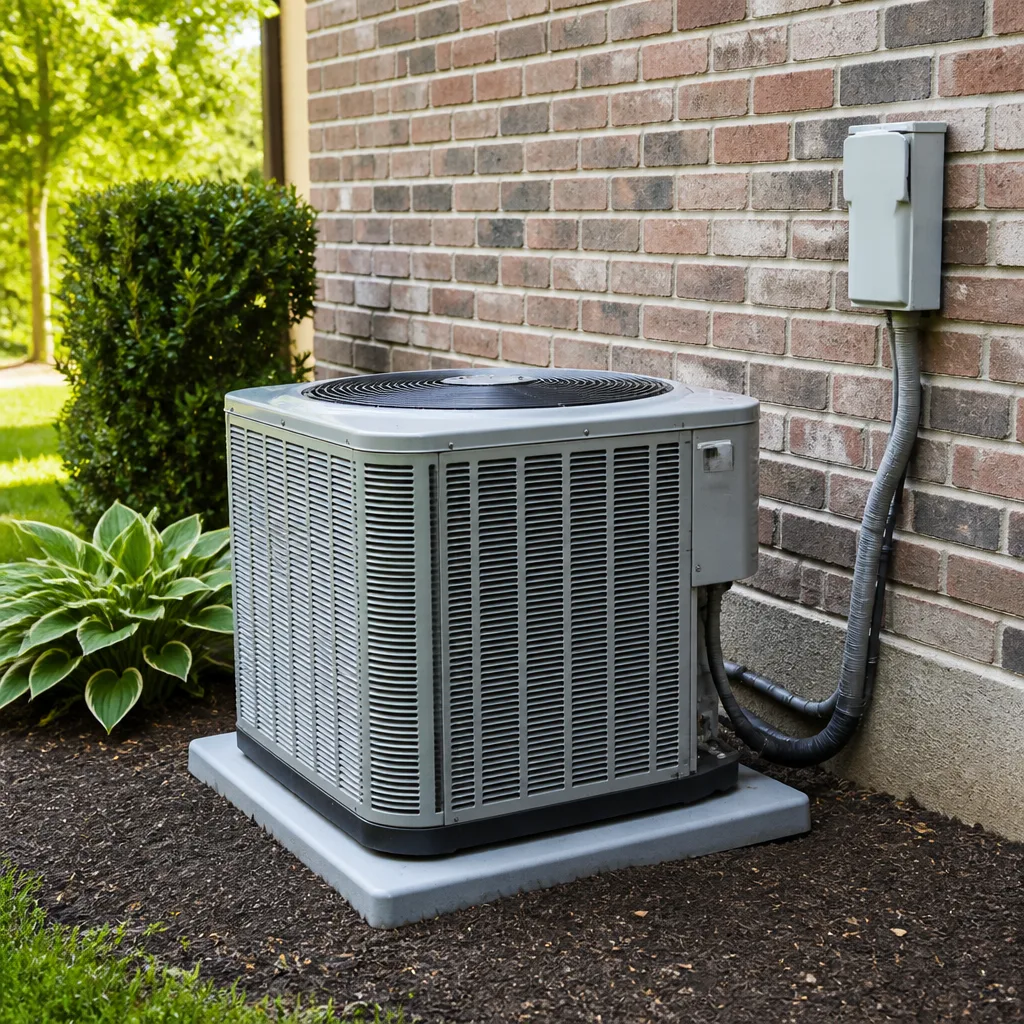 AC repair
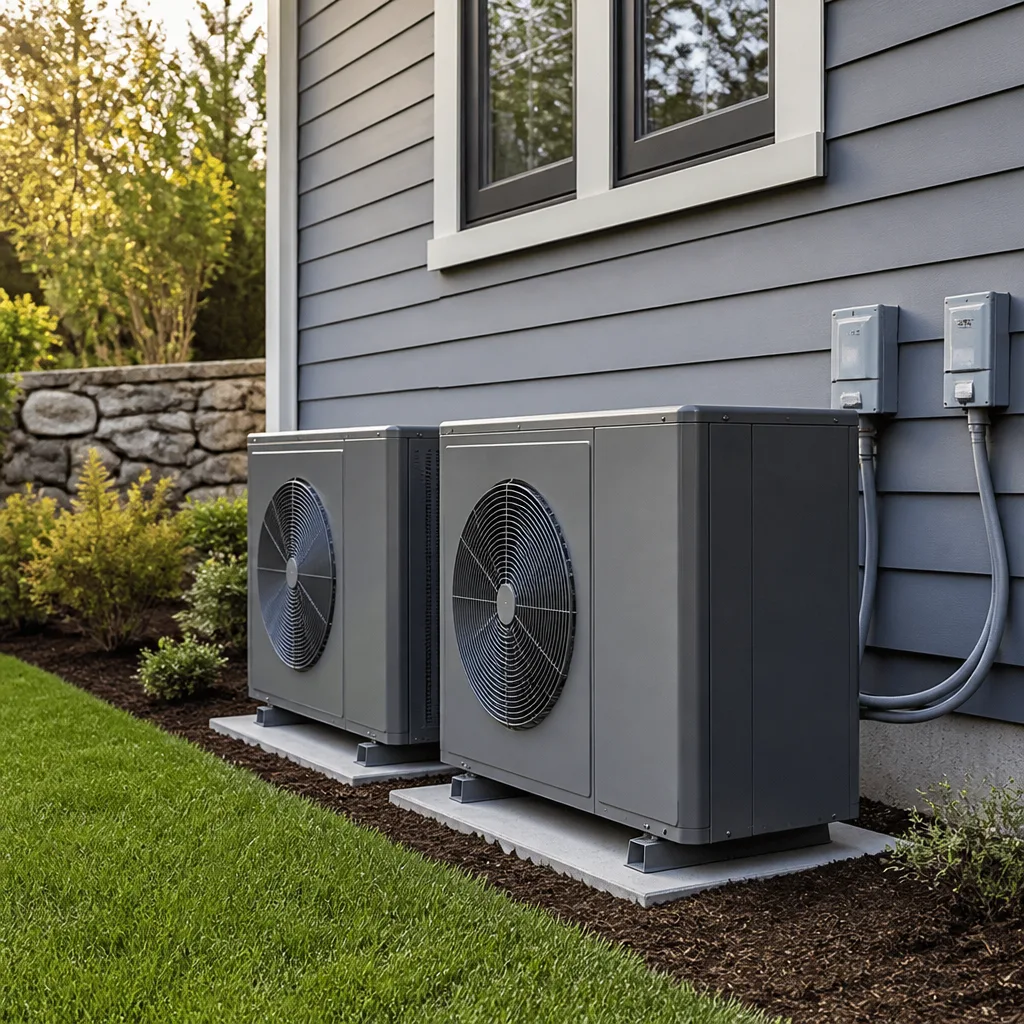 Heat pumps
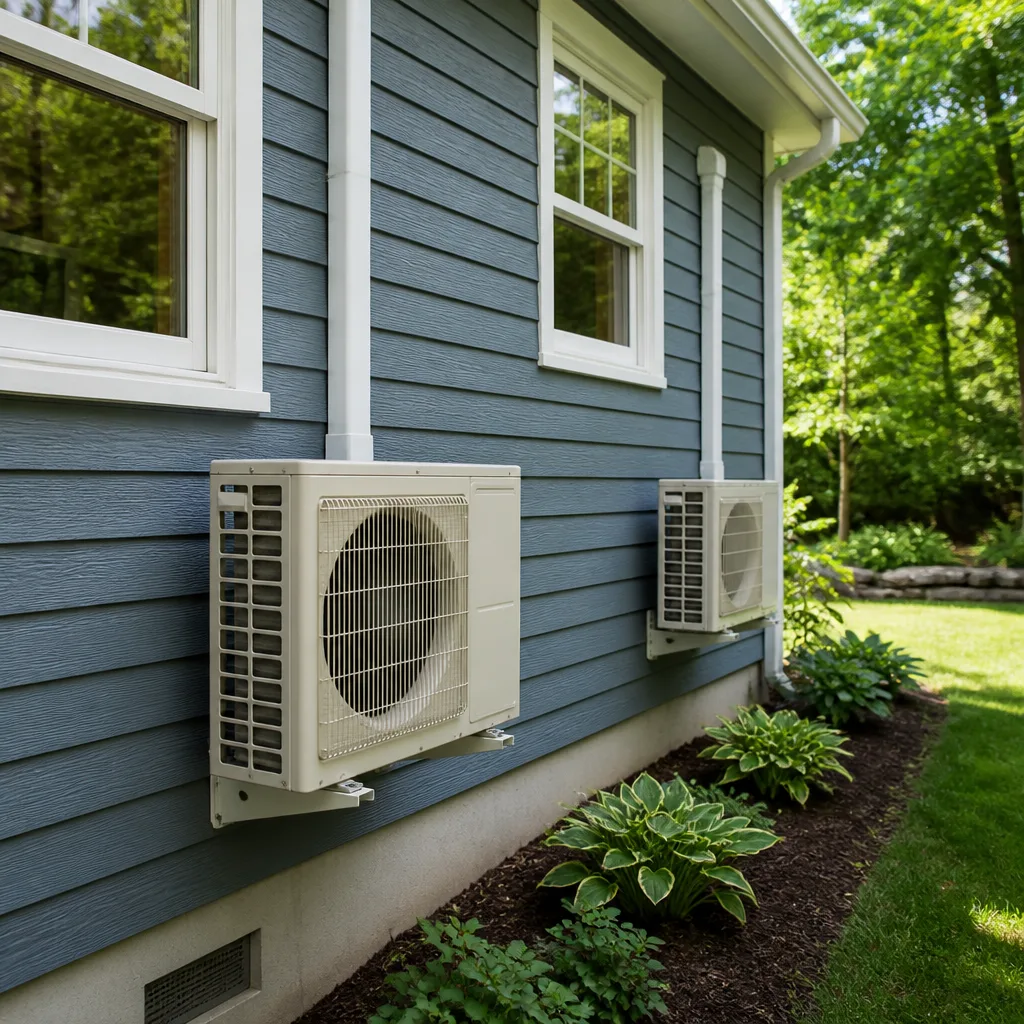 Ductless mini splits
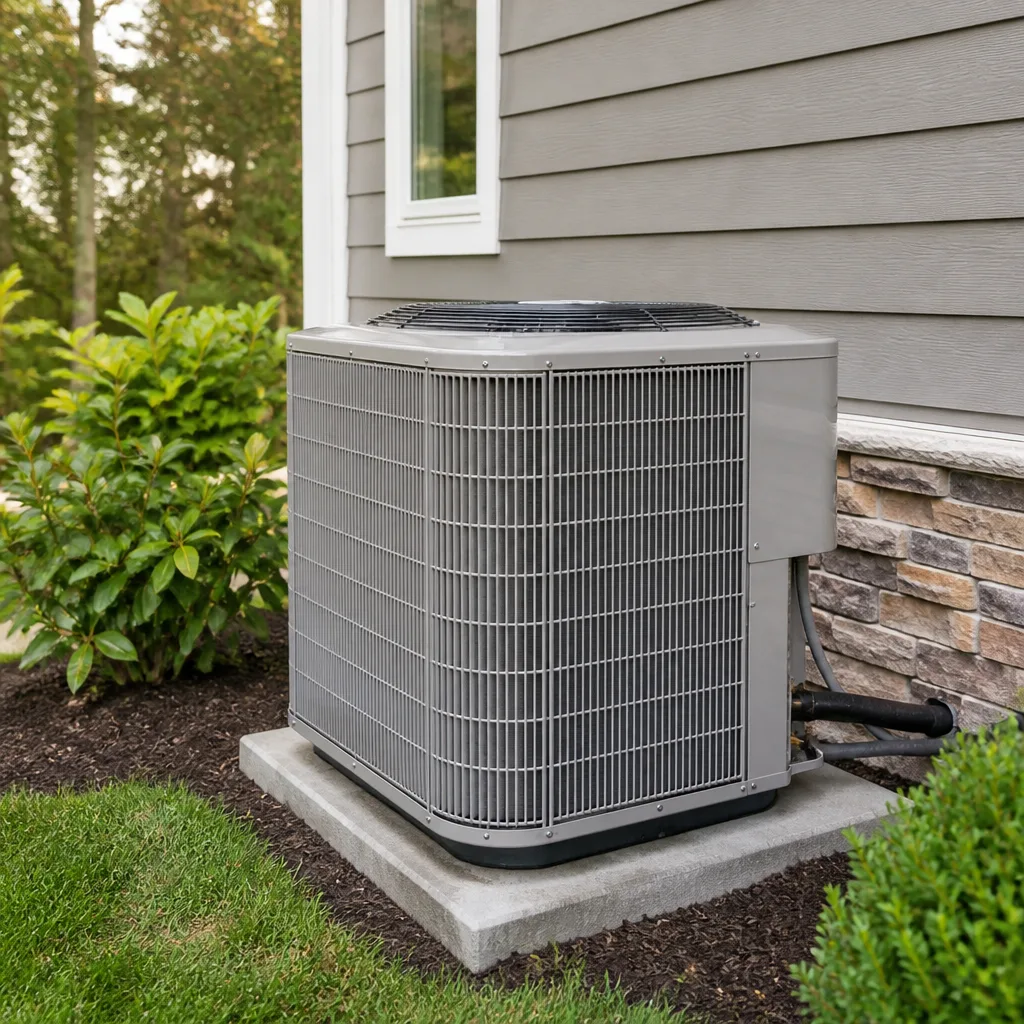 Carrier
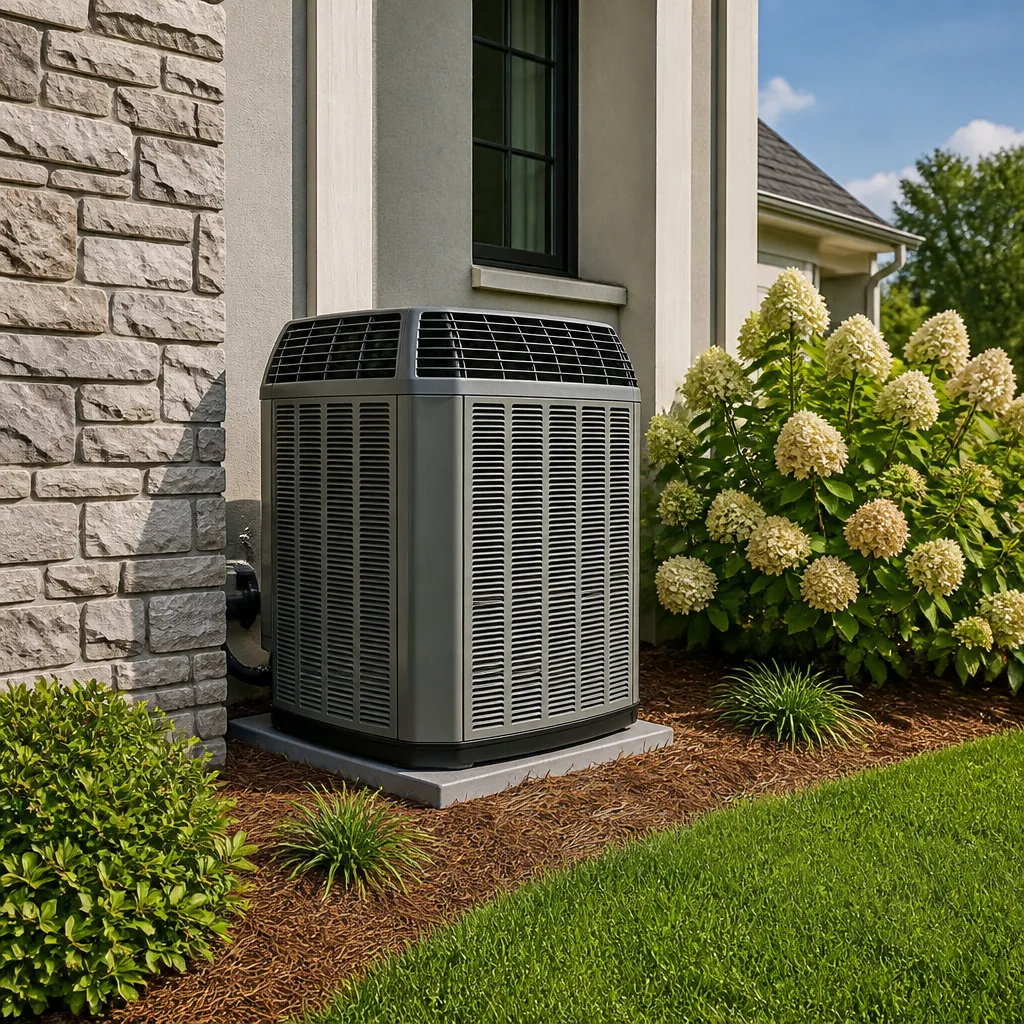 Trane
Trane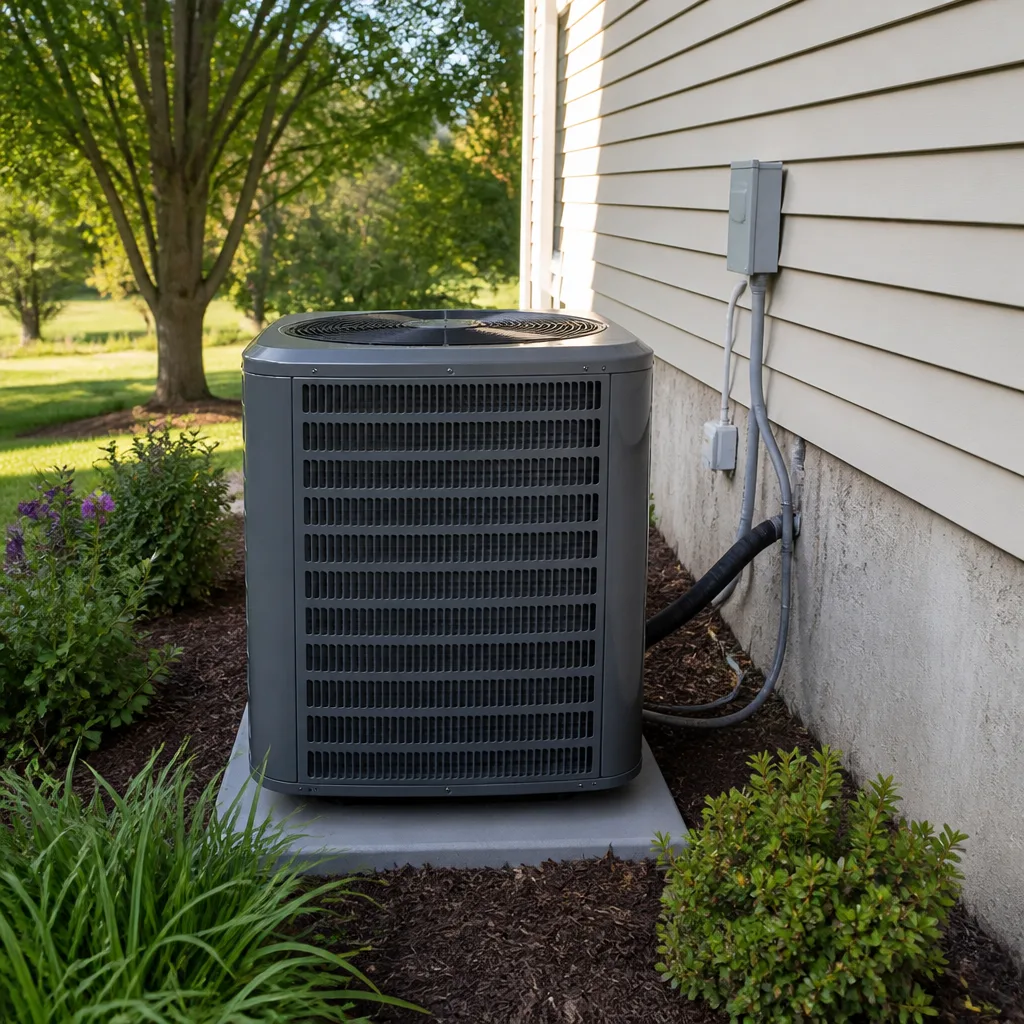 Goodman
Seasonal tune-up and full diagnostic on your Carrier, Trane, or Goodman system - readings shown to you before any repair is proposed
Diagnosis first, numbers second - you approve the repair price before a single part goes in.
Get your free estimateTrane Capacitor Replacement: The Los Angeles Owner’s Guide
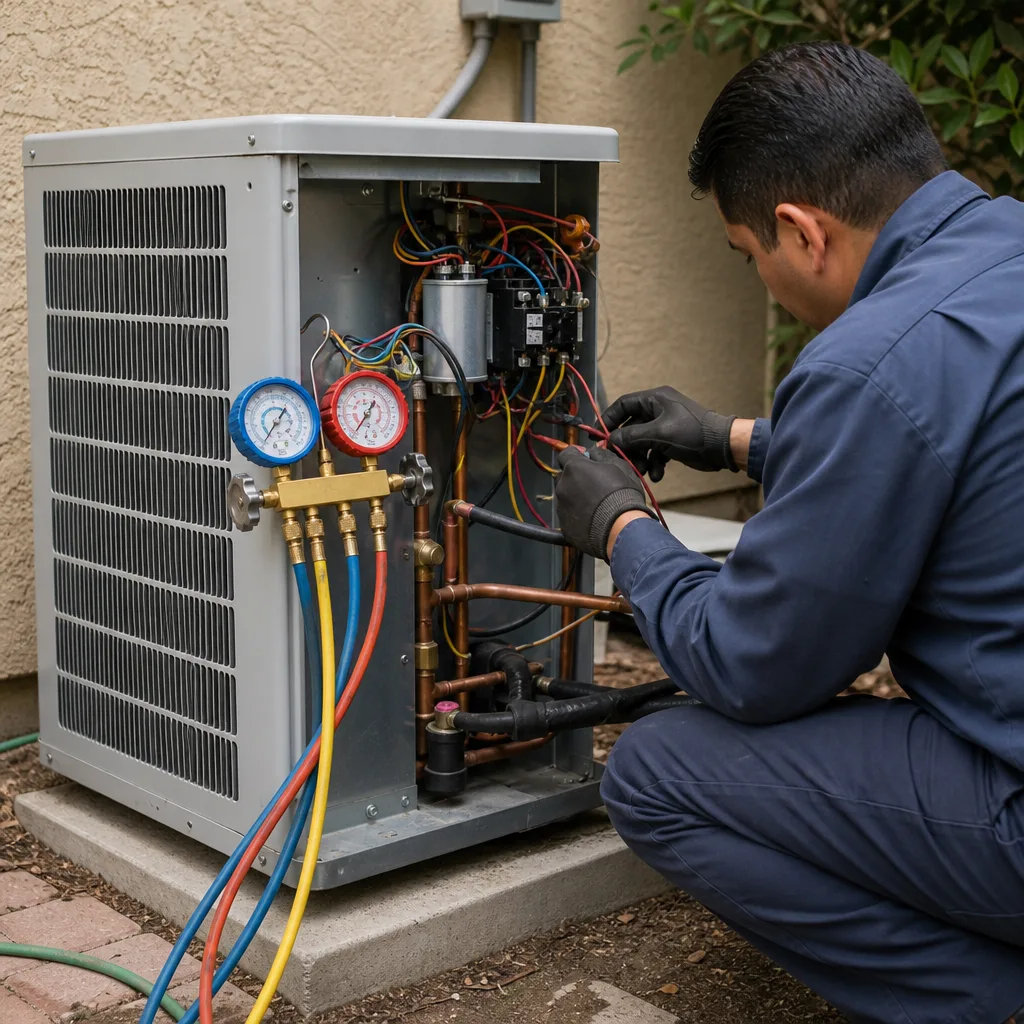
We stock and install Trane-compatible capacitors on our trucks, and we do same-day replacement across Los Angeles in most cases. The installed price for a Trane capacitor replacement here typically runs $175 – $385, depending on whether your unit calls for a single or dual-rated capacitor. Most homeowners discover the part has failed because the condensing unit outside starts humming loudly, the fan stops spinning, or the whole system simply won’t kick on.
A capacitor is the part that stores an electrical charge and delivers the jolt your compressor and fan motor need to start turning. When it fails, the system sits dead or runs erratically. It’s among the most common AC failures we see in Los Angeles, and we replace them on a regular basis across neighborhoods from Woodland Hills to Pasadena. The heat here puts capacitors through punishing cycles, especially during July through September when a system may start and stop hundreds of times a day. Victor Mancini, our owner, started pulling failed capacitors out of LA condensers back when he first came up through Los Angeles Trade-Technical College, and not much about the failure pattern has changed since.
Key Takeaways:
- Typical installed cost in Los Angeles: $175 – $385, parts and labor included
- We stock Trane-compatible capacitors on the truck in most sizes
- Same-day replacement available when you call (213) 531-5904
- Every capacitor replacement carries our written 365-Day Done Right Promise
Which Trane Models This Applies To
Our technicians work on the full Trane residential lineup, including XR, XL, XB, and the newer RunTru value line, plus older Trane units still running strong across Los Angeles. The most common Trane capacitors we replace are dual-rated units (they serve both the compressor and the condenser fan from one housing) in the 5 to 80 microfarad range, with voltage ratings at 370 or 440 VAC.
Here’s where Trane owners can save themselves trouble: the model number on the unit sticker won’t always tell you the capacitor spec. Trane sometimes changed suppliers mid-production run, meaning two units with the same model number can ship with different capacitor values depending on when they left the factory. The only reliable identification is reading the rating printed directly on the side of the old capacitor itself. It’ll show the microfarad (μF) value and voltage, like “45+5 μF, 440 VAC.” If that label is scorched or illegible, our techs cross-reference the compressor model number, which is stamped on the compressor housing itself.
On the OEM versus aftermarket question: Trane-branded capacitors are made by suppliers who also sell under their own labels, and the electrical specs are identical. What matters is matching the exact microfarad rating within ±5%, never substituting a different value because “it’s close.” We also verify the physical can dimensions so the replacement actually fits the mounting strap. That’s a mistake we’ve seen plenty of times from handyman repairs: right rating, wrong diameter, held in place with zip ties until it vibrates loose.
Styles & brands we work with
Signs Your Trane Capacitor Replacement Is Failing
Capacitors typically don’t fail silently. There’s almost always a warning sign before the system goes fully down. Here are the five most common signals we see on Trane units across Los Angeles:
- The outdoor unit hums but the fan doesn’t spin. The capacitor still has enough charge to energize the compressor’s start winding, but not the fan motor. You’ll hear a low, strained hum from the condenser. This is the classic “hard start” sound.
- The fan spins slowly or only starts after a push. A weakened capacitor can’t deliver the full torque the fan motor needs to come up to speed. If you’ve ever nudged a ceiling fan to get it going, same idea, but you should never do this on an AC unit.
- The system runs but blows warm air. If the compressor can’t sustain its charge, it cycles off prematurely while the fan keeps running. Your indoor air feels lukewarm because the refrigerant never gets compressed properly.
- Frequent tripped breakers or intermittent shutdowns. A failing capacitor causes the compressor to draw excessive amperage at startup. The breaker does its job and trips. This is a safety mechanism working correctly, not a nuisance.
- A visibly bulged or leaking capacitor. Electrolytic capacitors contain fluid that expands when they overheat. If you see a dome-shaped top or an oily residue around the base, the part is done. This is also your cue to stop touching things and call us.
California’s heat accelerates every one of these. The average capacitor in Los Angeles lasts 5 to 8 years, but in neighborhoods like Van Nuys or Granada Hills where ambient temperatures routinely exceed 100°F, we see failures at the 4-year mark. Heat degrades the internal dielectric material faster than anything else.
See the difference
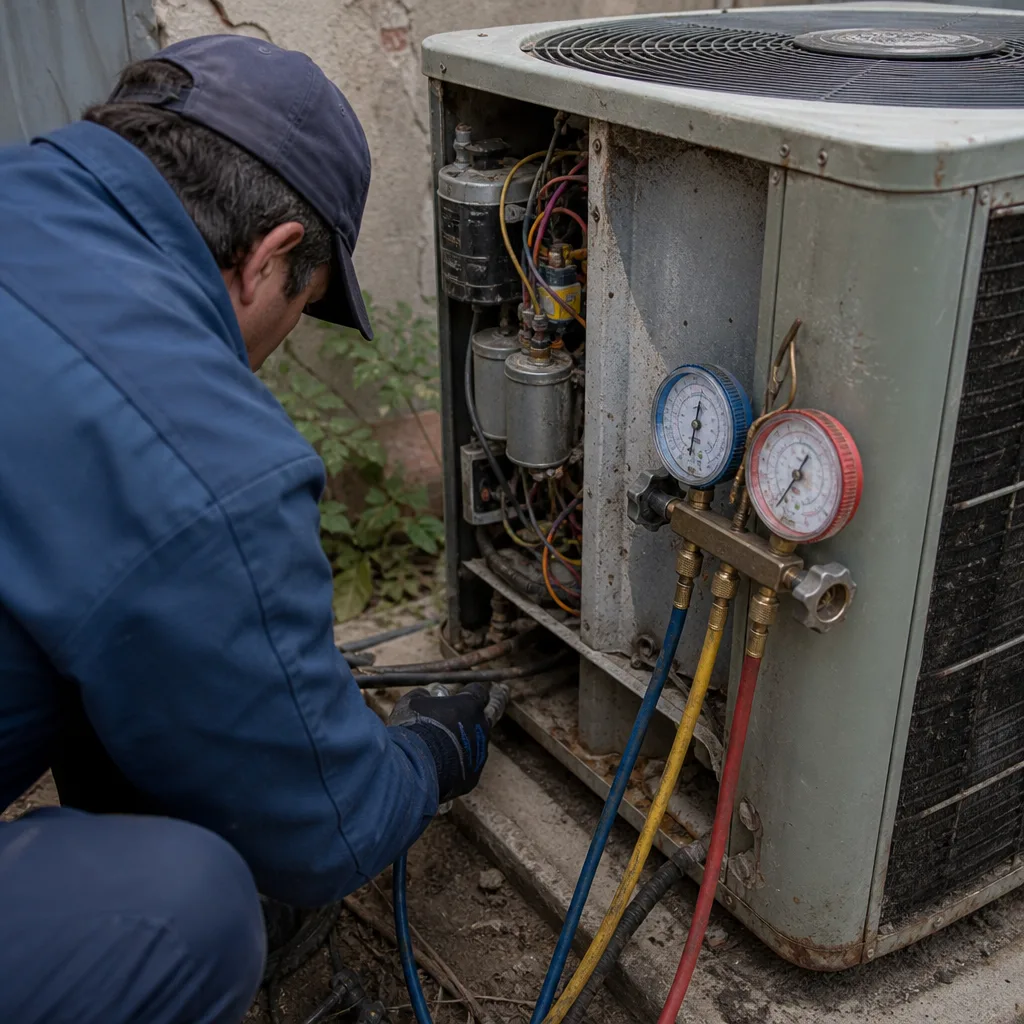 Before
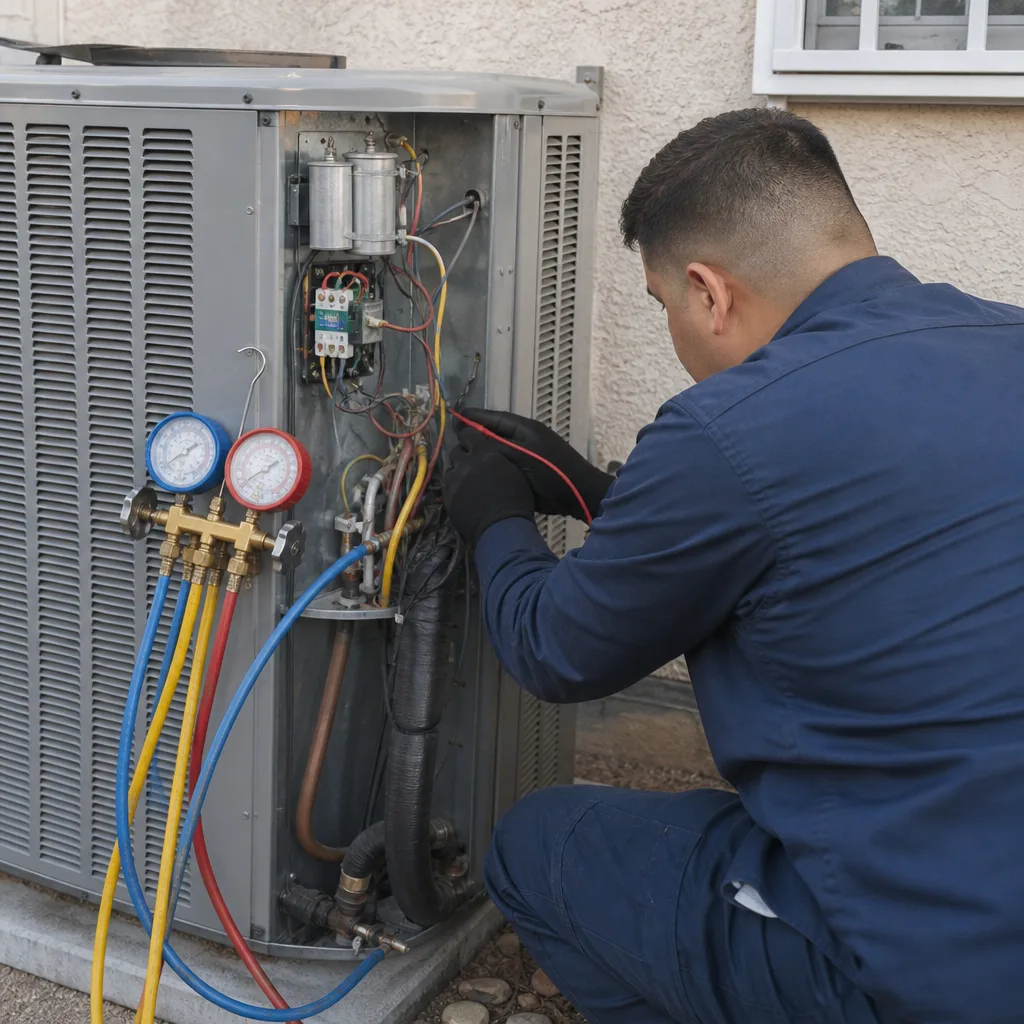 After
After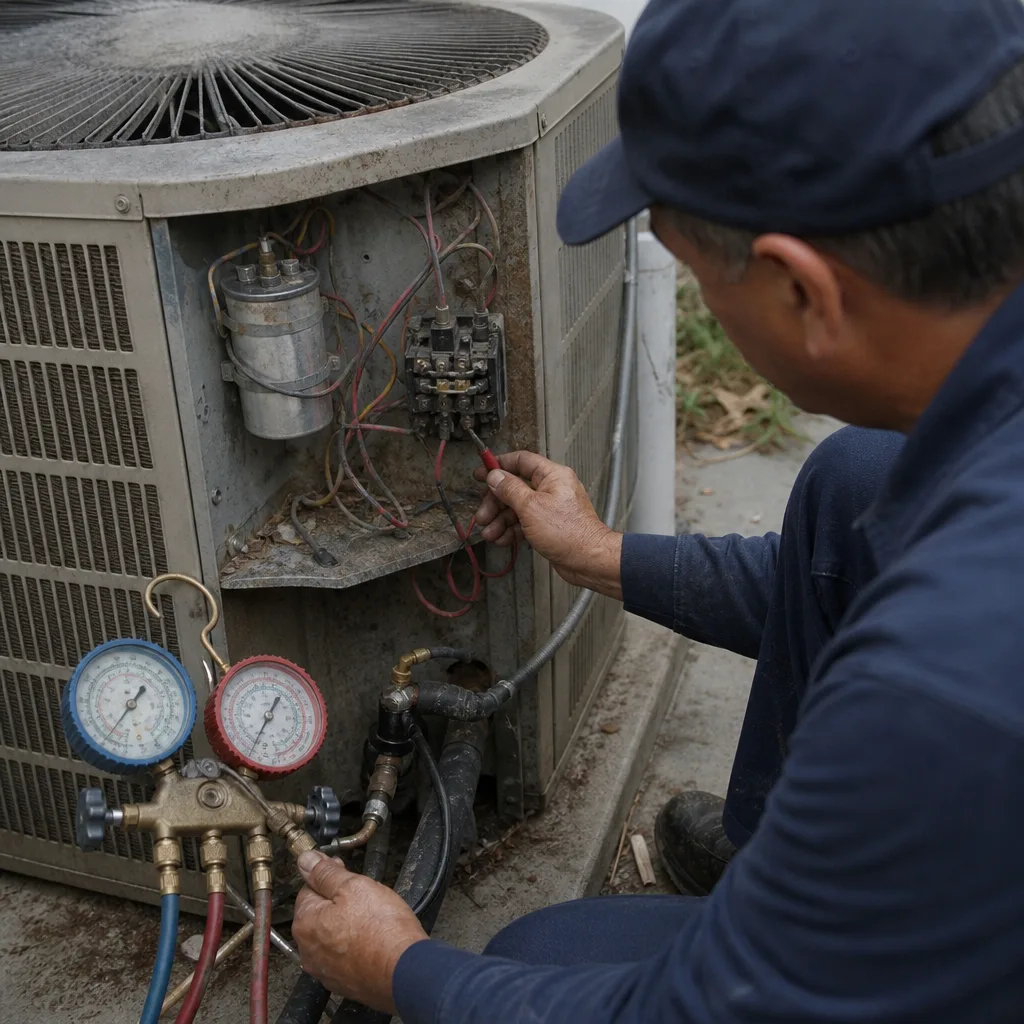 Before
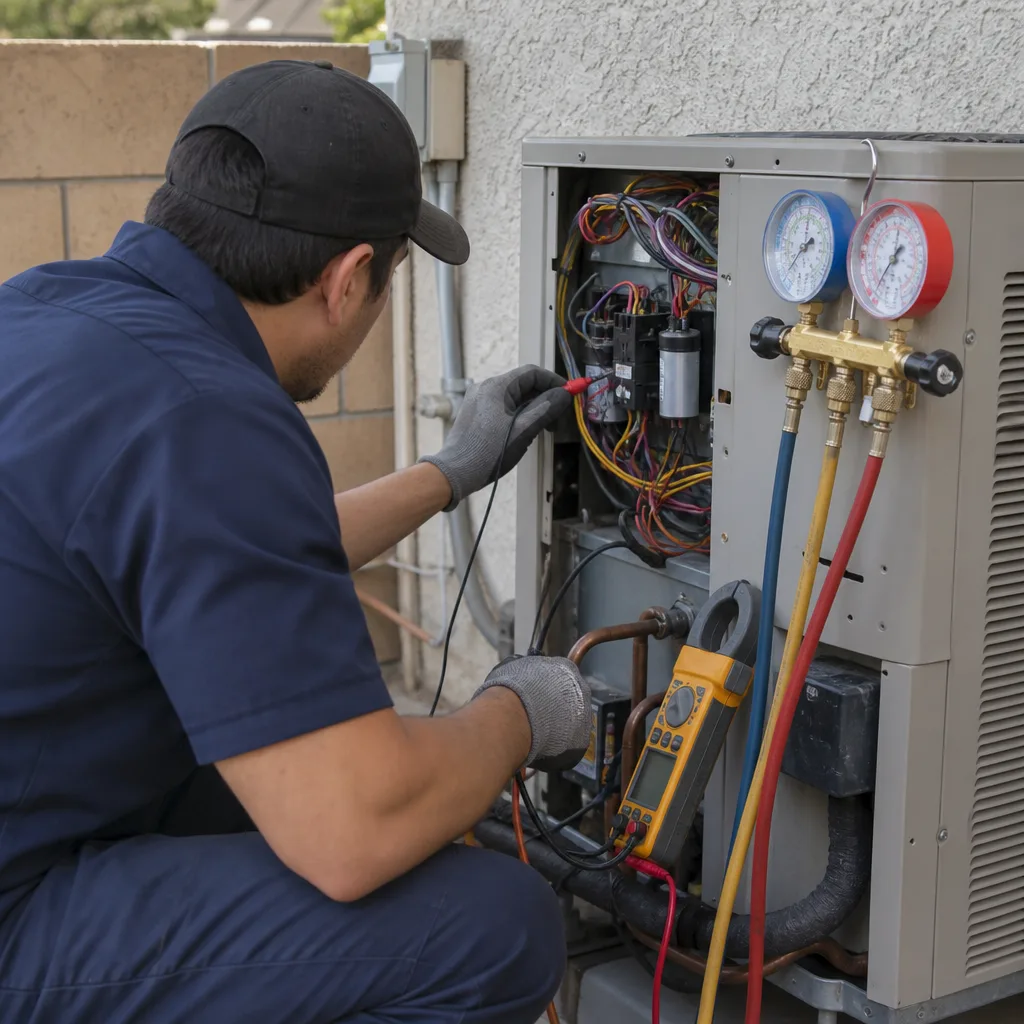 After
After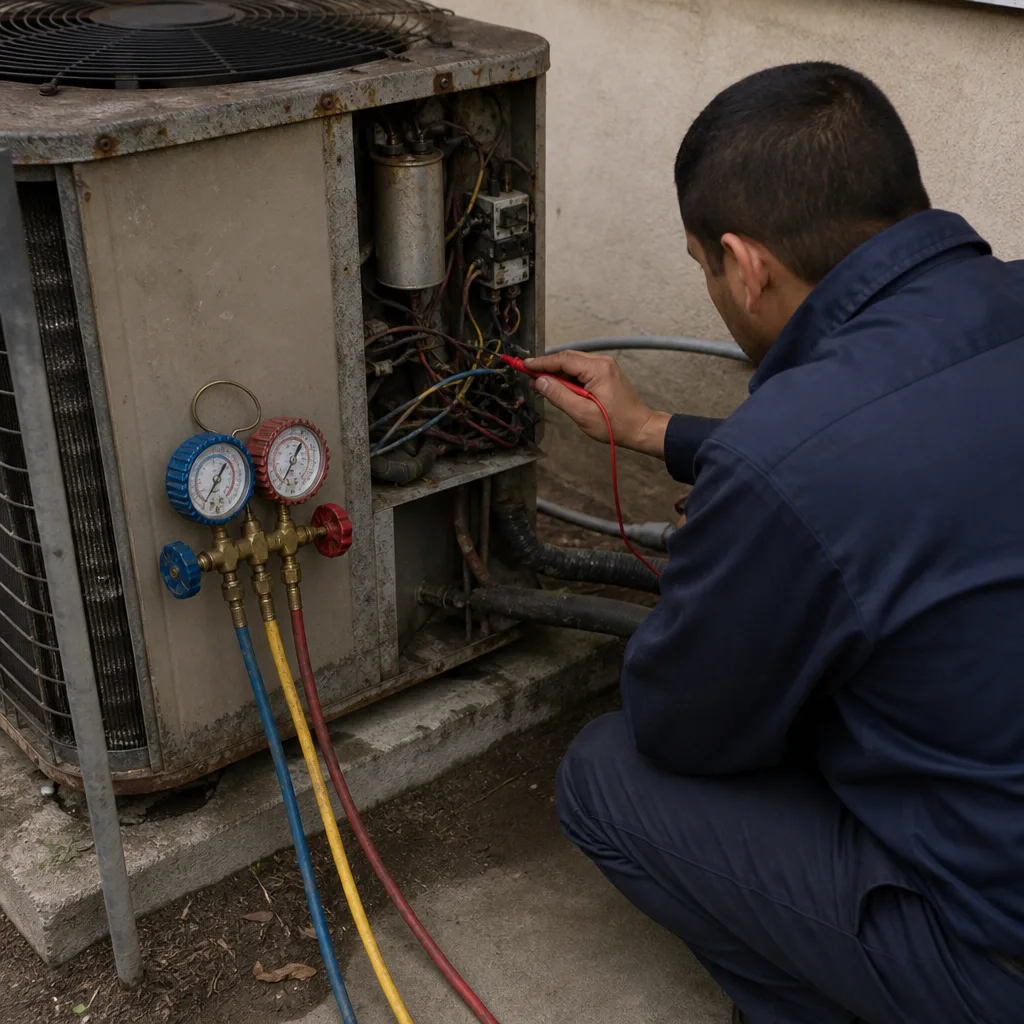 Before
 After
AfterReplacement Cost & What’s Included
A Trane capacitor replacement in Los Angeles typically runs $175 – $385 installed, depending on whether your system takes a single-run or dual-run capacitor and the specific microfarad rating required. The part itself is a $30 – $90 component. The rest of the cost is the diagnostic time, the labor, and the guarantee behind the work.
| Capacitor Type | Typical Installed Cost (LA) |
|---|---|
| Single-run capacitor (fan only) | $175 – $245 |
| Dual-run capacitor (compressor + fan) | $225 – $385 |
| Dual-run with hard-start assist | $285 – $425 |
What’s included on every job: our technician reads the old capacitor spec before removing it, confirms the compressor amperage draw to rule out secondary failures, installs the correct replacement, tests the system through a full cooling cycle, and writes out the price before any tool comes out. The repair is covered by our 365-Day Done Right Promise. If that capacitor fails inside a year, we come back and replace it at no charge. It’s written down, not a handshake.
DIY or Call Us?
Capacitors store a lethal electrical charge even after the power is cut. That’s not scare copy, it’s the reason every manufacturer stamps a warning on the side of the can. A charged capacitor can hold 440 volts and release it in an instant. If you’re not trained to discharge it safely with a proper resistor and to read the microfarad rating accurately, this is not the weekend project to start.
What you can safely do: check your breaker, call us to describe the symptom, and visually inspect the capacitor for bulging or leaking. That’s it. We’re honest about this because the repair genuinely isn’t hard for someone with the right training and tools, which is exactly what we bring in the truck. If you’re in Los Angeles and you suspect a capacitor failure, call (213) 531-5904. A live person answers, day or night.
One more thing worth knowing: our techs also stock capacitors compatible with Carrier and Lennox units, so if you have a mixed-brand household, we can handle whatever is out there.
FAQs
A Trane capacitor in Los Angeles typically lasts 5 to 8 years, but the extreme heat in inland valley neighborhoods can shorten that to 4 years. Units that run longer hours each day, especially during heat waves, wear out capacitors faster because the internal dielectric material degrades more quickly at sustained high temperatures. We recommend having the capacitor checked during a tune-up once it’s past the 5-year mark, because catching it early costs far less than an emergency callout on a 105° day.
No. Capacitors are sealed components and cannot be repaired. The internal dielectric material breaks down, and once it reaches the point of bulging, leaking, or losing capacitance, the only correct repair is a full replacement with a properly matched part. We don’t patch capacitors, and we won’t install one that’s been reconditioned. Call (213) 531-5904 and we’ll have the right replacement in the truck before we arrive.
A Trane capacitor replacement on a typical residential unit takes 45 to 90 minutes from the moment we start the diagnostic to the moment the system is running and tested. Most of that time is verification work: reading the old capacitor spec, confirming the compressor amperage draw, installing the new part, and running the system through a full cooling cycle to make sure nothing else was a contributor to the failure.
Yes. We carry the most common Trane capacitor specs on every truck, including the dual-rated 35+5, 40+5, 45+5, 50+5, 60+5, and 70+5 μF units at 370 and 440 VAC. If your Trane calls for an uncommon spec, we source it from local suppliers and return the same day in nearly all cases. A live person will tell you honestly what’s on hand when you call.
If you’re hearing that hum or your Trane fan won’t spin, don’t let it cook through another Los Angeles afternoon. Pick up the phone and call (213) 531-5904. Victor and the team at Cold Harbour Heating and Air Los Angeles will give you a written price before the work starts, a firm arrival window, and a repair backed for a full year in writing. If it moves air or makes heat, we can sort it out.
Written by Victor Mancini, Owner, Cold Harbour Heating and Air Los Angeles at Cold Harbour Heating and Air Los Angeles, serving Los Angeles and nearby areas.