
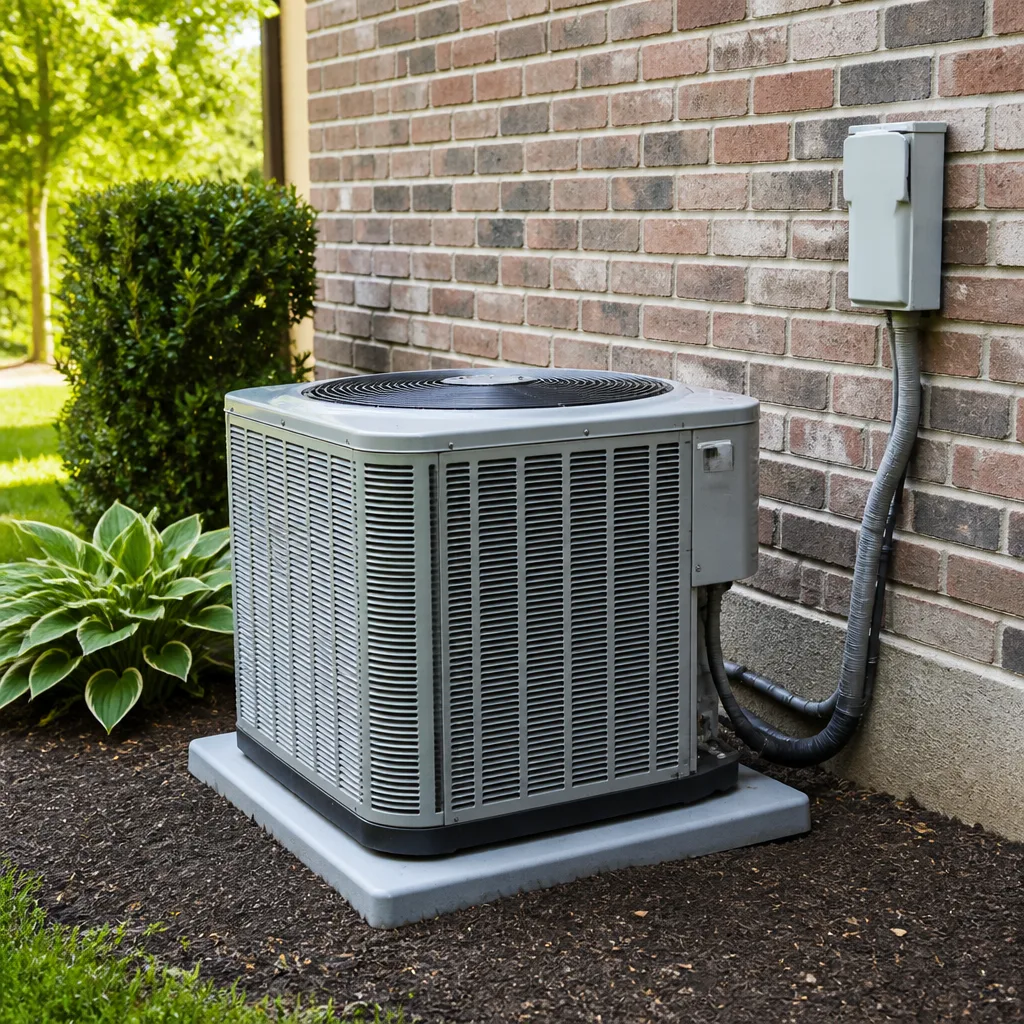
 AC repair
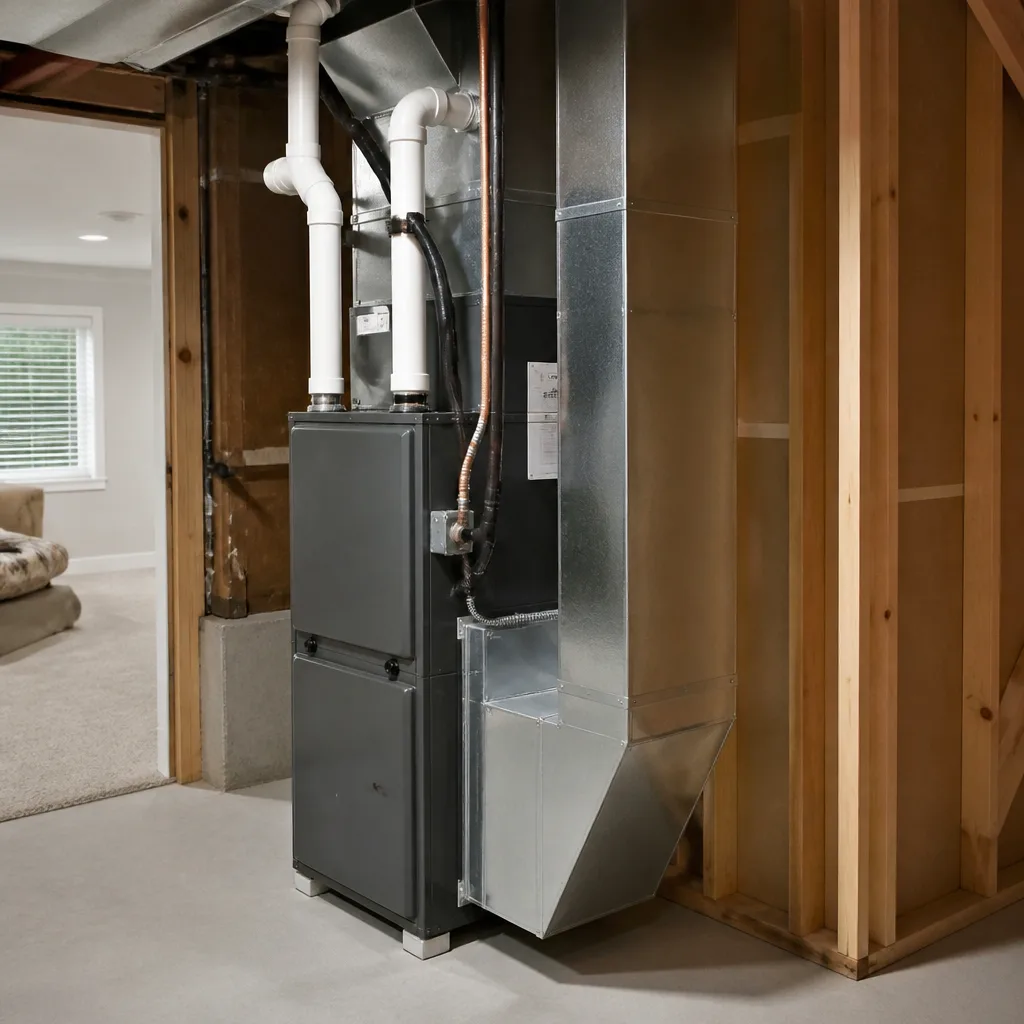 Furnace & heating
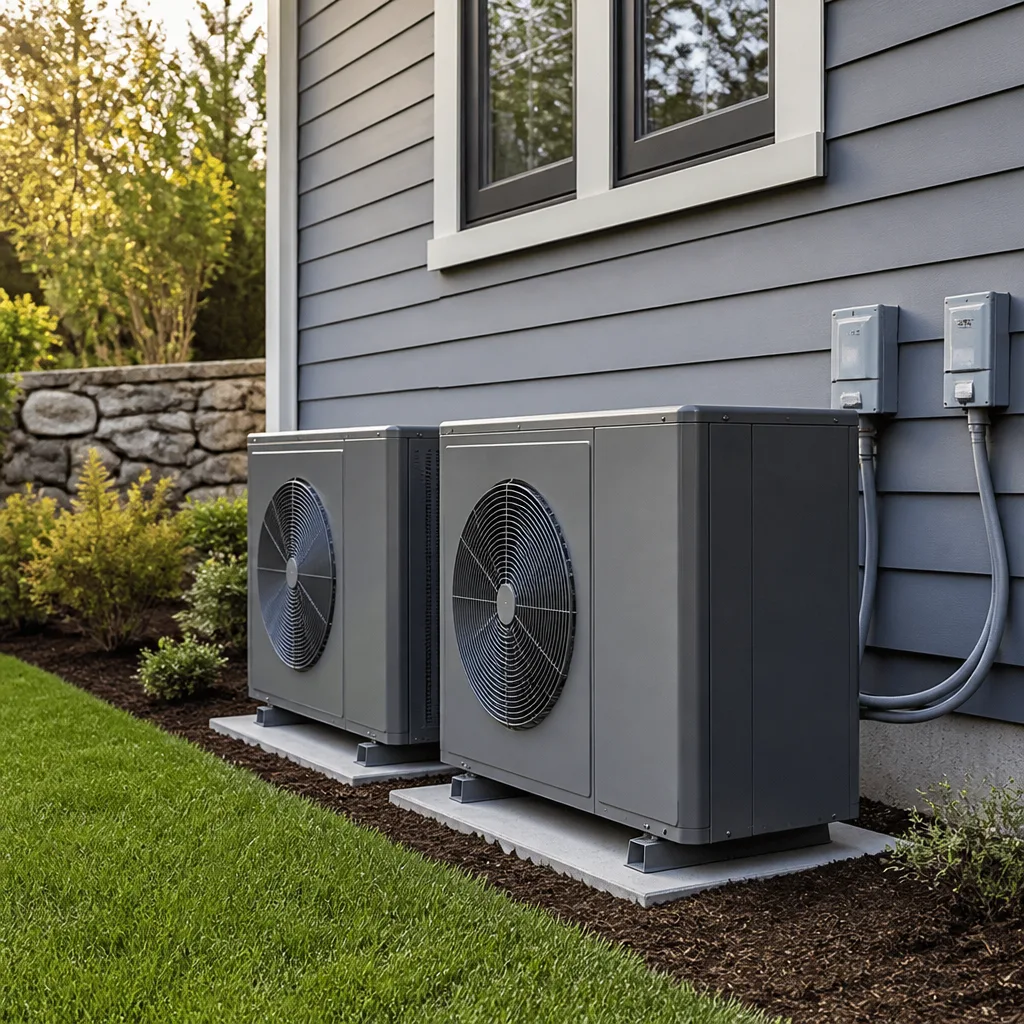 Heat pumps
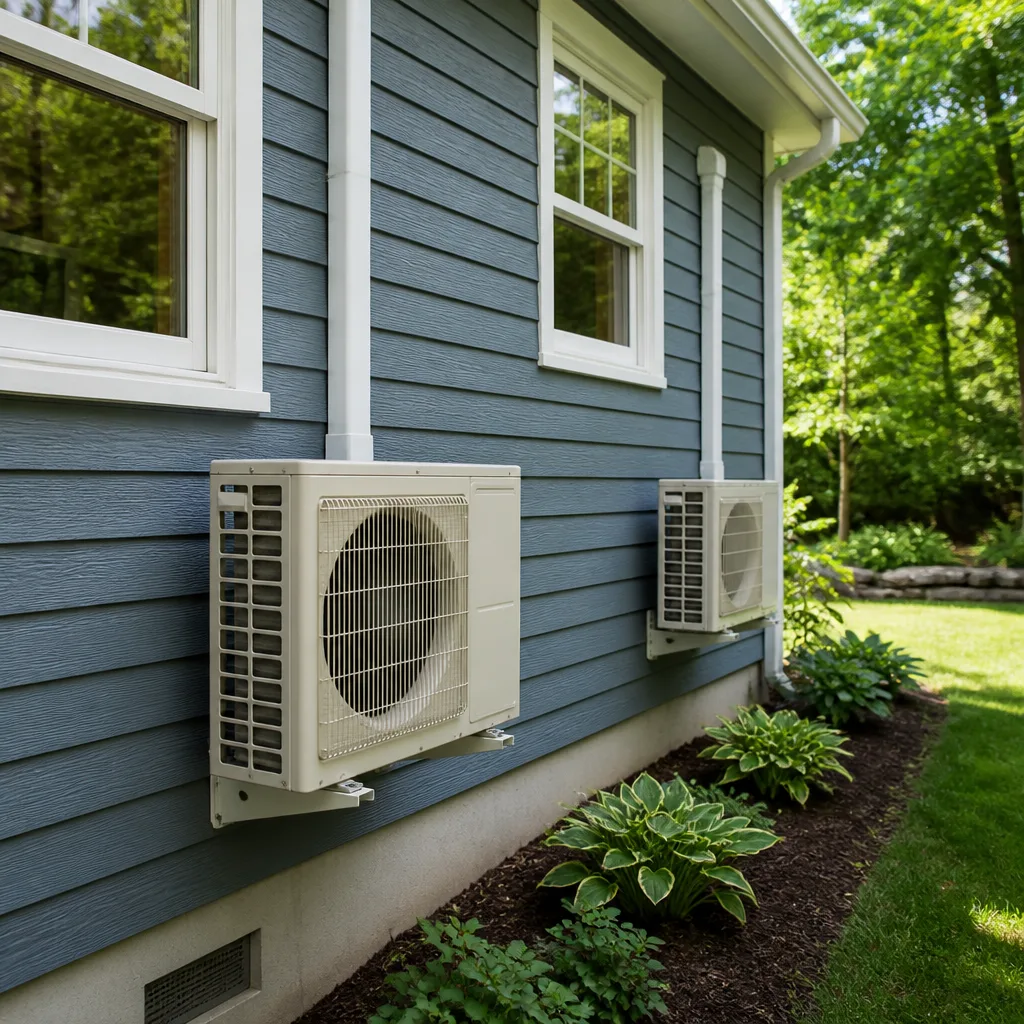 Ductless mini splits
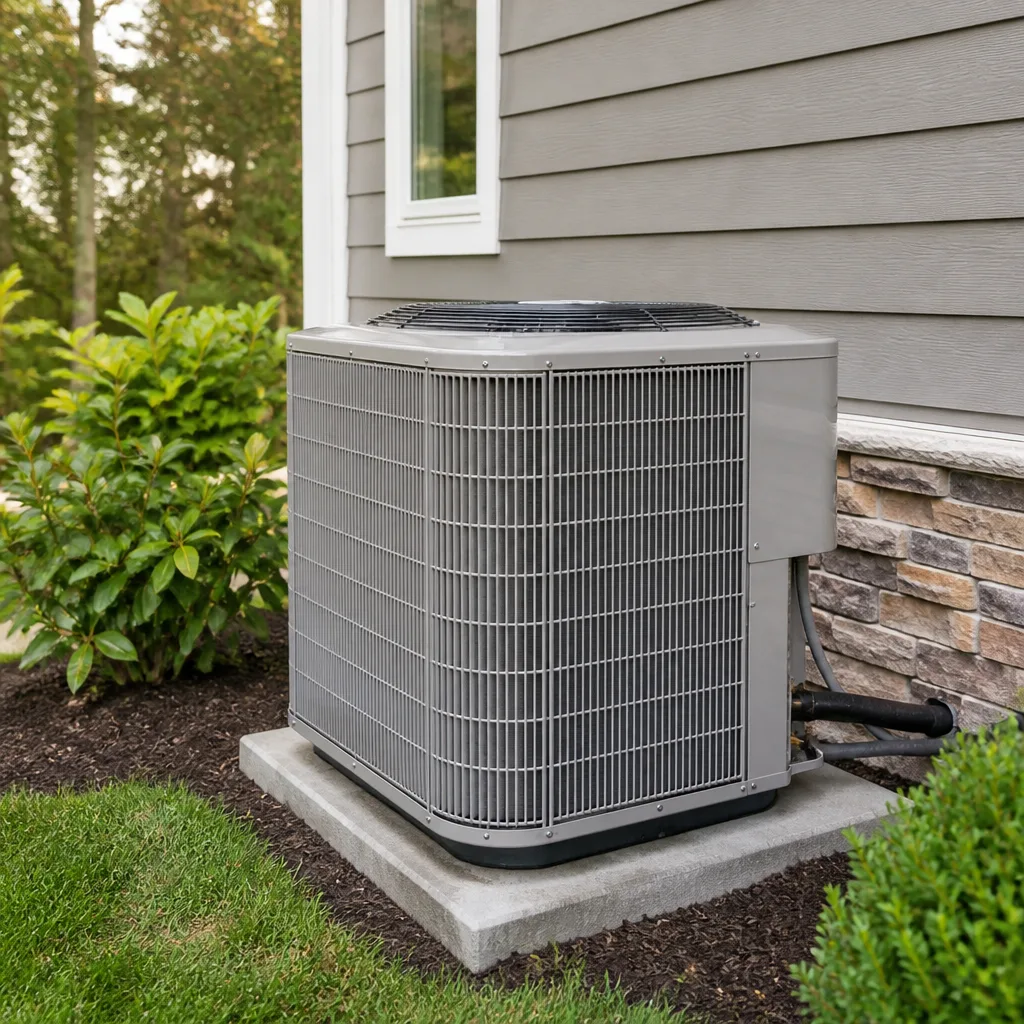 Carrier
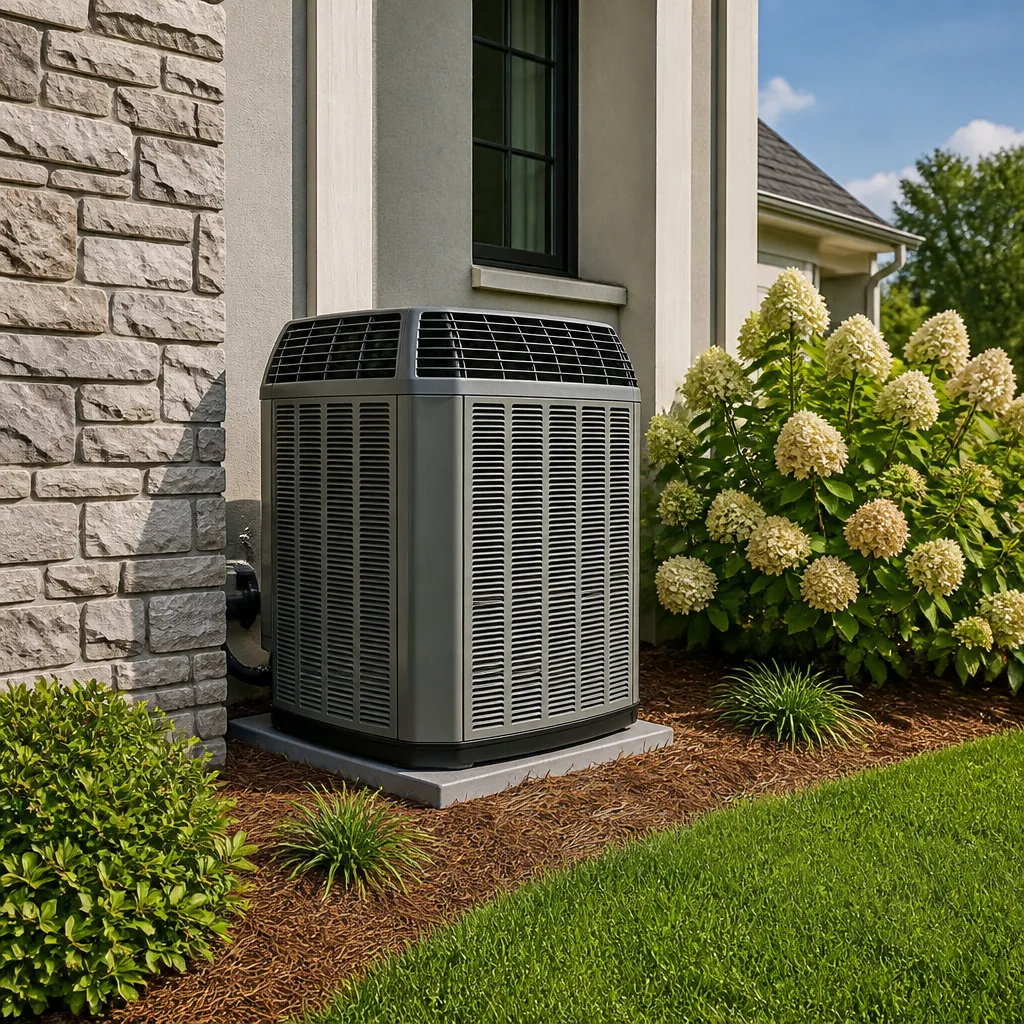 Trane
Trane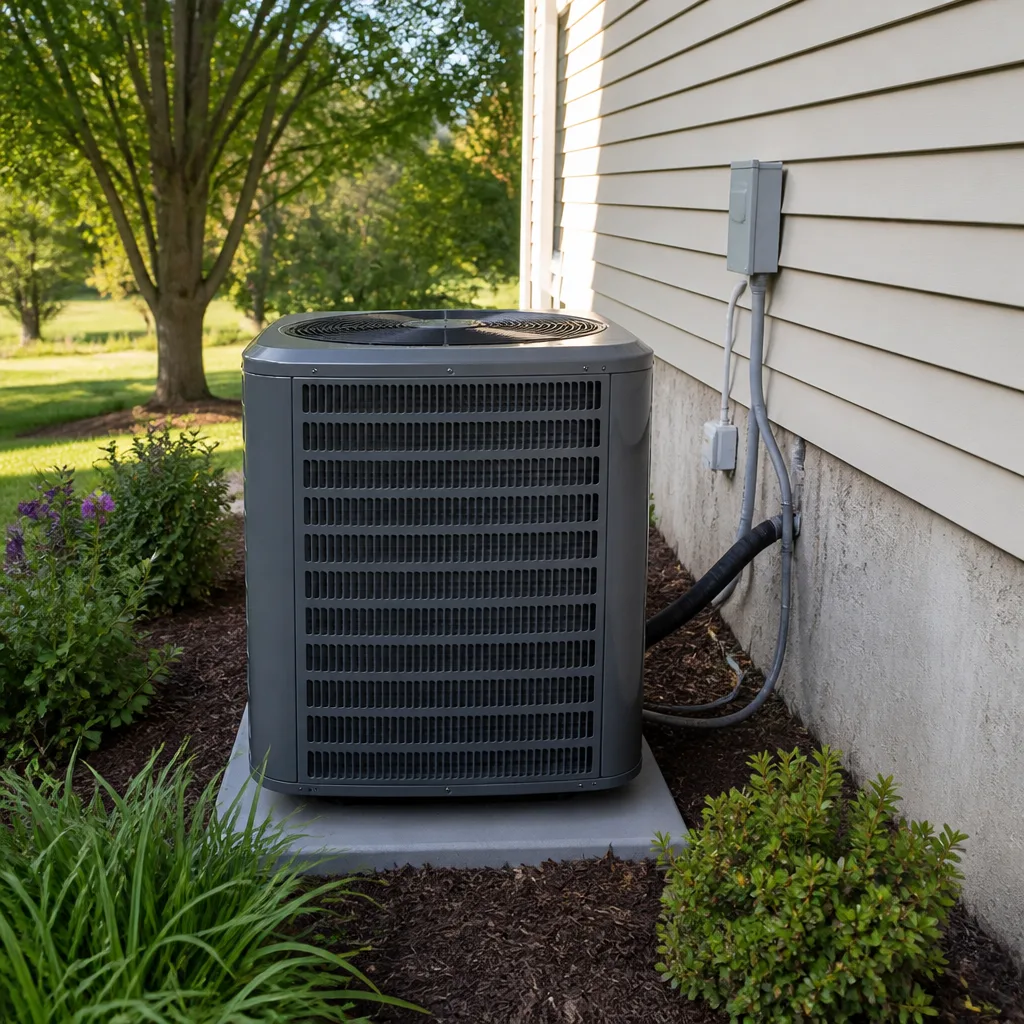 Goodman
Seasonal tune-up and full diagnostic on your Carrier, Trane, or Goodman system - readings shown to you before any repair is proposed
Diagnosis first, numbers second - you approve the repair price before a single part goes in.
Get your free estimateDaikin Ductwork Repair: The Los Angeles Owner’s Guide
Daikin ductwork repair in Los Angeles typically runs $175 – $765 installed, depending on whether we’re sealing a section, replacing a crushed or torn flex run, or rebuilding a plenum. We keep the most common Daikin-compatible duct fittings, collars, and flex duct sizes on the truck, so in many cases we can complete the repair the same day you call. Most homeowners discover a duct problem the same way: one room in the house never quite reaches temperature, or the system runs longer than it used to while the energy bill climbs. If you have a Daikin furnace, heat pump, or mini-split pushing air through leaky or damaged ductwork, you’re paying to condition air that never reaches the rooms you live in.
Here’s what matters if your ductwork is failing: you don’t necessarily need a full duct replacement. A torn flex run, a disconnected collar, a collapsed section under the house, or a poorly sealed return can all be repaired without ripping out everything. We start by finding the actual leak or restriction, then fix what’s actually broken. That’s the honest way to do it, and it’s the only way we work. Victor Mancini, the owner here at Cold Harbour Heating and Air Los Angeles, has been under enough Los Angeles houses to know that a repair beats a full replacement about eight times out of ten when the ducts are otherwise sound.
Which Daikin Models This Applies To
Ductwork itself isn’t model-specific in the way a control board or blower motor is, but the way it connects to your Daikin equipment matters. Whether you have a Daikin DM96VE gas furnace, a DZ17VSA heat pump, or a Daikin Fit system paired with an air handler, the duct transitions, plenum connections, and return drops need to match the cabinet dimensions and airflow specs of your exact unit. A Daikin air handler built for 1,200 CFM can’t be choked by a return duct sized for 800 and still perform the way Daikin engineered it.
Here’s the compatibility gotcha we see often in Los Angeles: many homes were originally fitted with ducts for older, less efficient equipment. When a previous contractor installed a new Daikin system but reused the old ductwork, the duct sizing is often wrong. That mismatch causes whistling at the registers, uneven room temperatures, and premature blower motor wear. Before any repair, we verify the duct size against the Daikin unit’s published airflow requirements. If the duct is too small, we may recommend a short replacement section rather than patching what will never work well.
On the OEM versus aftermarket question for ducts specifically: ducts, collars, takeoffs, and flex runs are commodity components. Daikin doesn’t manufacture its own ductwork, and the brand doesn’t require OEM duct parts for warranty purposes. What matters is the material spec: R-6 insulated flex for attic runs in Los Angeles (where summer attic temperatures routinely exceed 130°F), R-8 where local code requires, and 26-gauge or heavier sheet metal for plenums and transitions. We use UL-listed, code-compliant materials rated for Southern California conditions, not the cheapest flex that’ll sag and tear in three years.
Styles & brands we work with
Signs Your Daikin Ductwork Is Failing
- Rooms that never reach temperature. A bedroom that’s always five degrees warmer in August or colder in January usually means a disconnected or crushed duct serving that room. The Daikin system is producing the right air; it’s just not getting there.
- Dust accumulating fast on furniture and return grilles. A duct leak on the return side pulls unfiltered attic or crawlspace air into the system. You’ll notice dust on surfaces within days of cleaning, and the filter gets dirty faster than it should.
- Whistling or hissing near the air handler. When a duct can’t pass the airflow the blower is trying to push, air escapes through small gaps at seams and connections. The noise is the system telling you the ductwork is undersized or leaking.
- Higher energy bills without a change in usage. Leaky ducts can lose 20 – 30% of conditioned air into the attic. Your Daikin unit runs longer cycles to compensate, and the LADWP bill shows it.
- Musty or stale smell when the system starts. A return leak in a crawlspace or under the house pulls damp, musty air into the system. The smell concentrates when the blower first kicks on.
See the difference
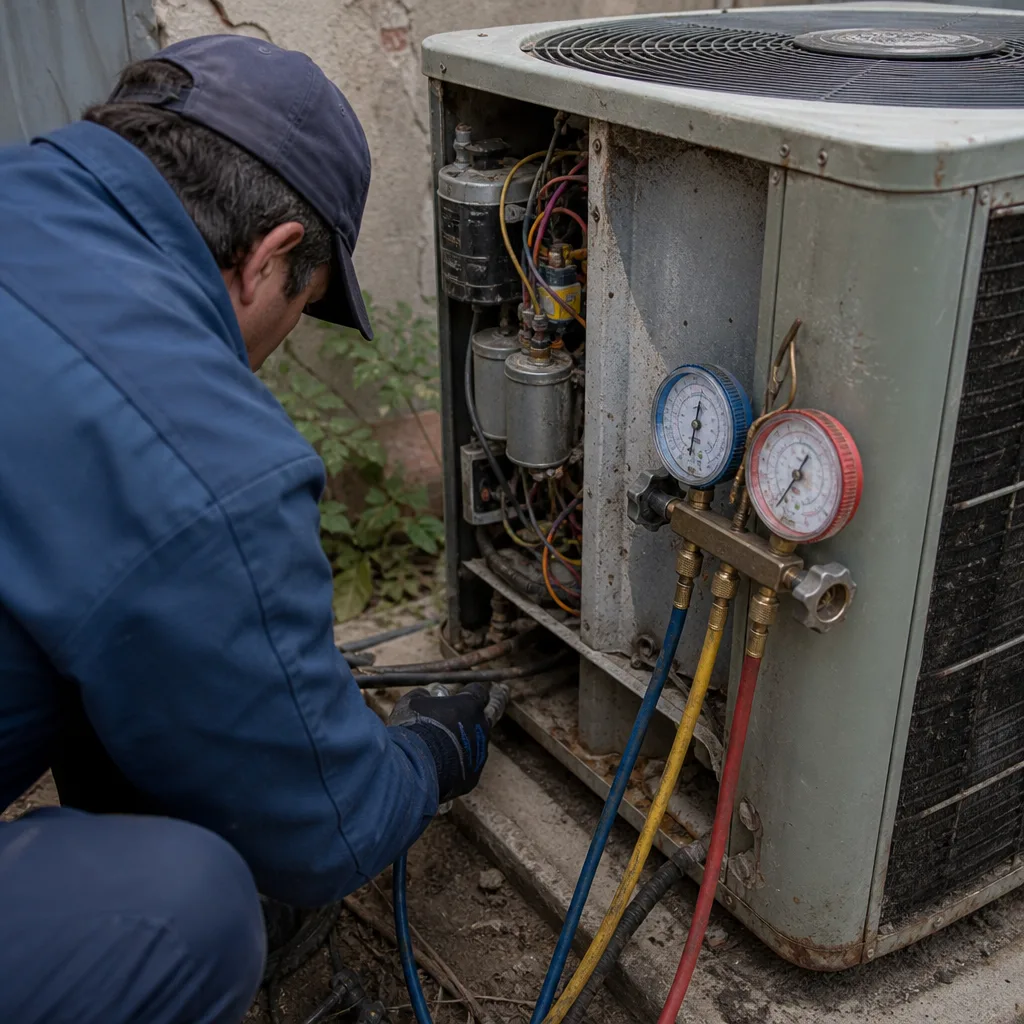 Before
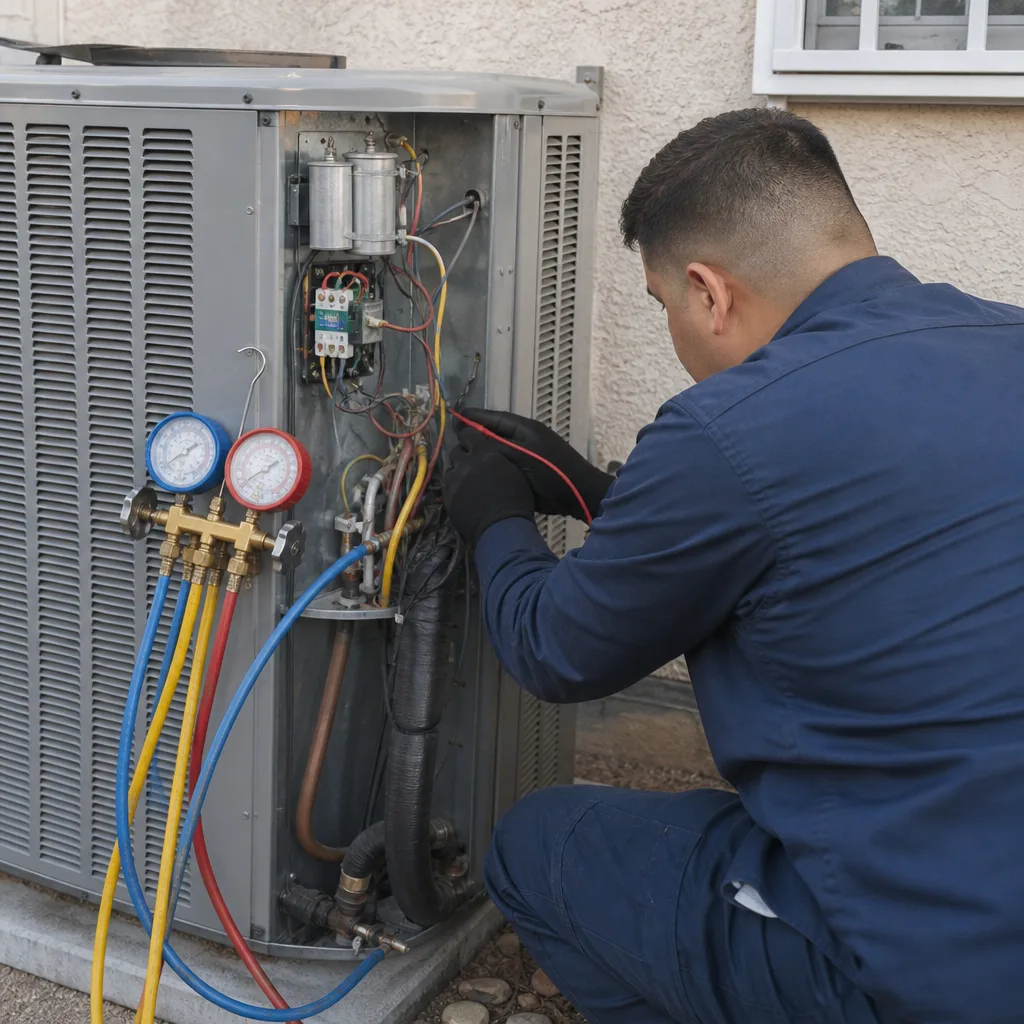 After
After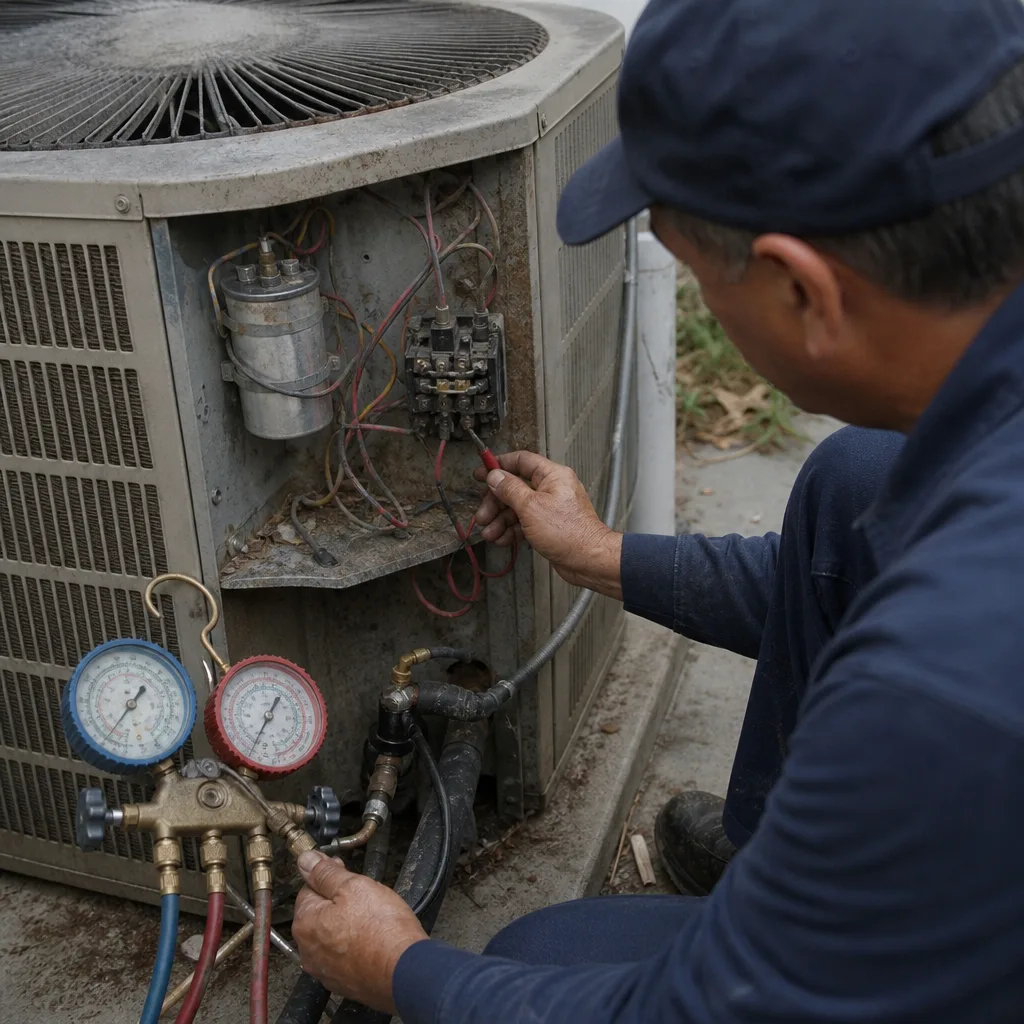 Before
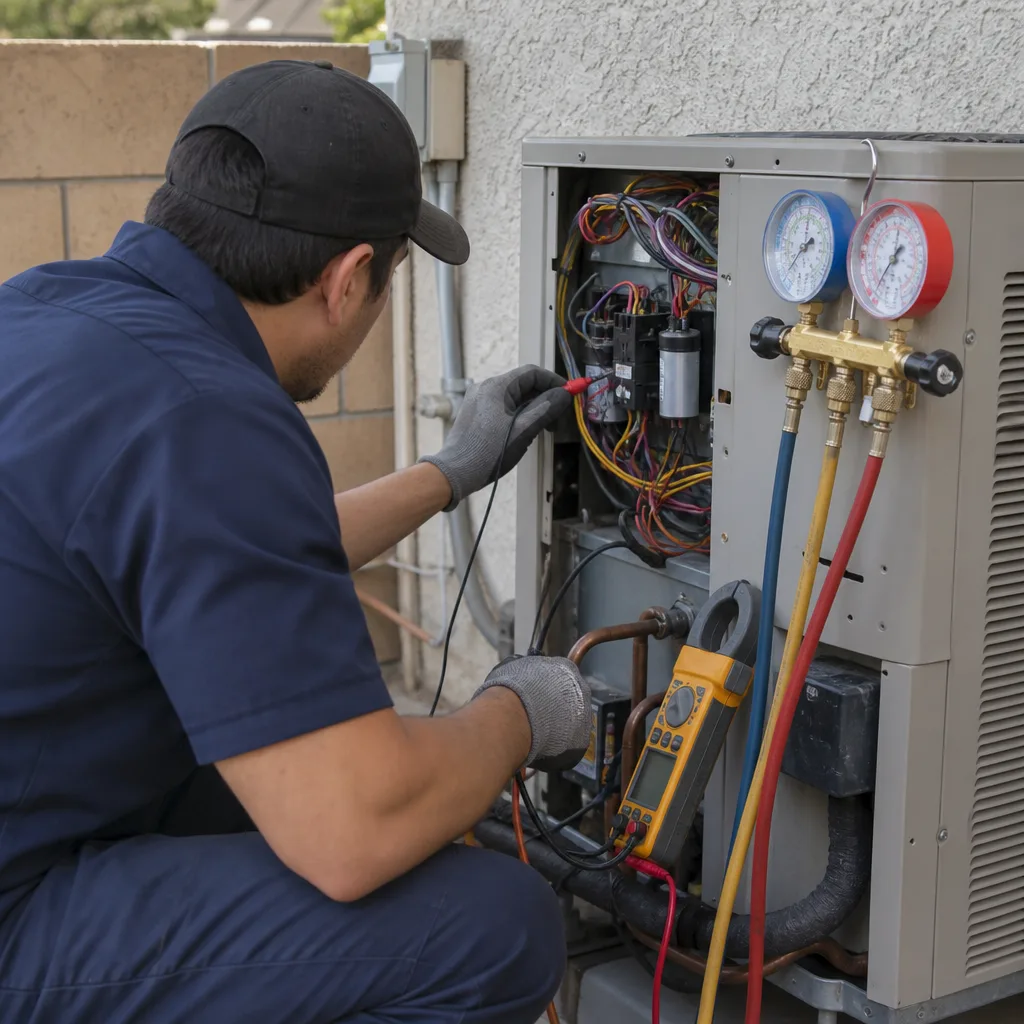 After
After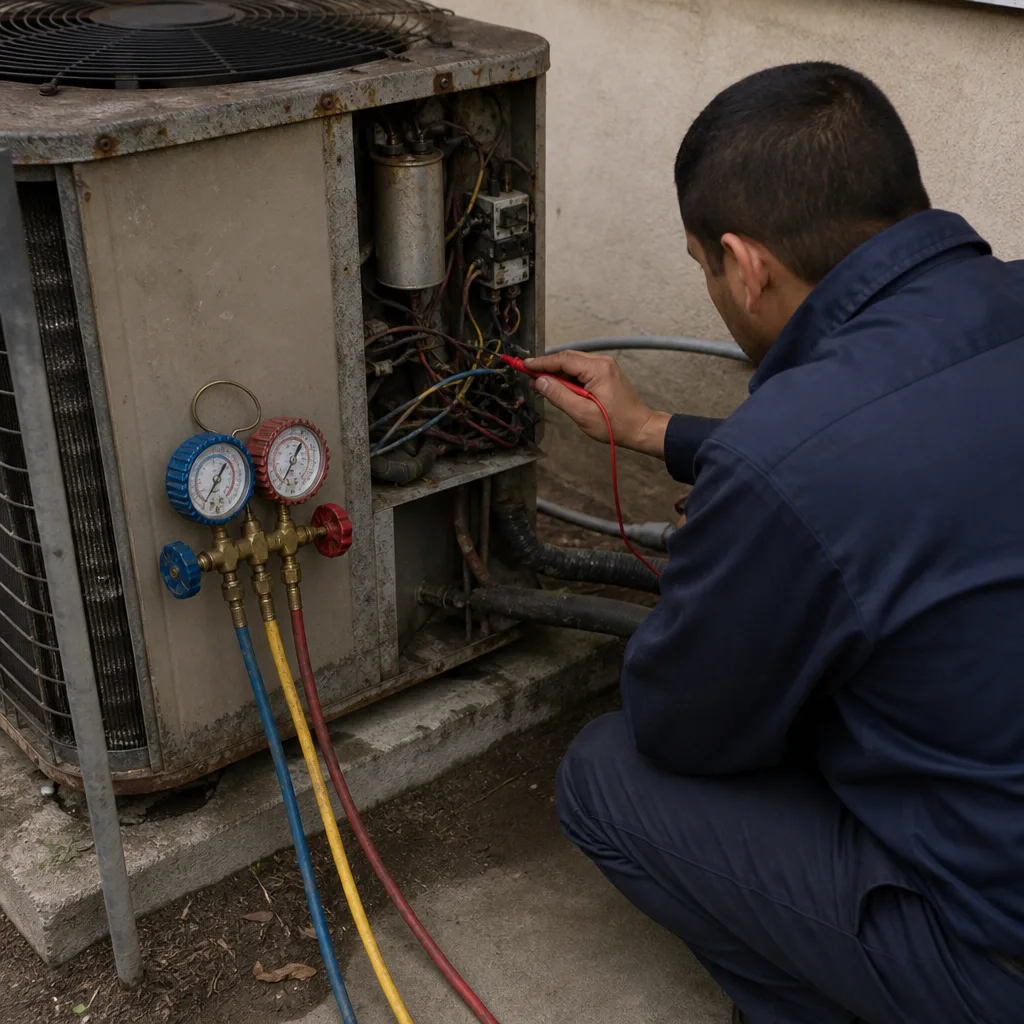 Before
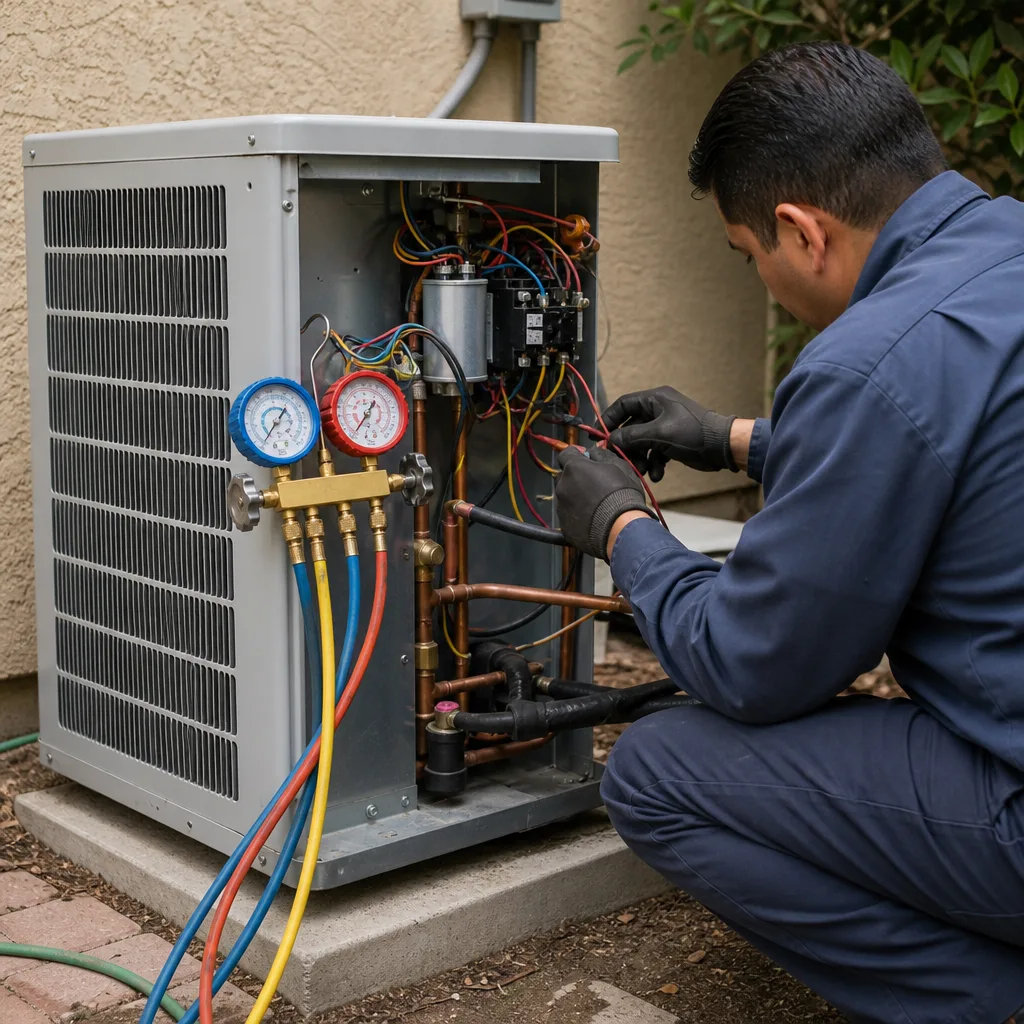 After
AfterReplacement Cost & What’s Included
Most Daikin ductwork repairs in Los Angeles land between $175 and $765, parts and labor included. The low end covers a simple job like reconnecting a flex run that has slipped off its collar, resealing a leaky joint, or patching a small tear with proper mastic and tape. The high end covers more involved work: replacing a full section of crushed or rodent-damaged flex in a tight attic, rebuilding a return plenum, or correcting an undersized duct that’s been choking your Daikin system since it was installed.
Every repair follows the same process. We diagnose the problem, hand you a written price before any tool comes out of the bag, and the number on that page does not change. If the repair needs more than we quoted, that’s our problem, not yours. And every duct repair we do carries the same 365-Day Done Right Promise: if the repair fails within one year, we come back and fix it at no charge. Written down, not verbal, not conditional.
DIY or Call Us?
Ductwork repair is one of the safer HVAC jobs for a homeowner to attempt, but only at the most basic level. You can safely check for obvious problems: a flex duct that has visibly fallen off a register boot, a disconnected collar under the house, a crushed section you can see from the attic access. What you shouldn’t do is crawl deep into a Los Angeles attic in July, where surface temperatures hit 140°F and one wrong step through the drywall lands you in the living room. You also shouldn’t attempt repairs that require proper airflow testing: if you patch a duct that’s fundamentally undersized, you’re spending time and materials on a problem that will return.
The honest truth: taping a seam with duct tape (which fails within a year in attic heat) isn’t the same as sealing with mastic and testing the system’s static pressure afterward. If you can see an obvious disconnected duct and can reach it safely from the access point, reattach it. For anything beyond that, call us at (213) 531-5904 and we’ll handle it properly.
FAQs
Flex duct in Los Angeles attics typically lasts 15 to 20 years before the outer jacket degrades from heat exposure or rodent damage. Sheet metal ducts commonly last 30 years or more with proper sealing. If your ducts are past 20 years and leaking in multiple spots, we’ll tell you honestly whether repair still makes sense or whether replacement is the better money.
Yes, in most cases. Torn flex, disconnected collars, leaky seams, and small crushed sections can all be repaired. We only recommend replacement when the duct is fundamentally undersized for your Daikin system, has widespread rodent damage, or is degraded to the point where patching one section just means chasing the next failure every few months. Call (213) 531-5904 for an honest assessment.
A single duct repair typically takes 1 to 3 hours, depending on attic access, the location of the damage, and whether we need to replace a section or just reseal and reconnect. We give you a firm arrival window and a written price before the work starts.
Yes. We carry common flex duct sizes, collars, takeoffs, mastic, and sheet metal fittings on the truck for same-day repair. We also stock parts for Carrier, Trane, and Lennox, and our technicians are trained to service nine major residential HVAC brands including Daikin. Cold Harbour Heating and Air Los Angeles is an independent service provider and not affiliated with Daikin.
Written by Victor Mancini, Owner, Cold Harbour Heating and Air Los Angeles at Cold Harbour Heating and Air Los Angeles, serving Los Angeles and nearby areas.