
Last updated October 16, 2026
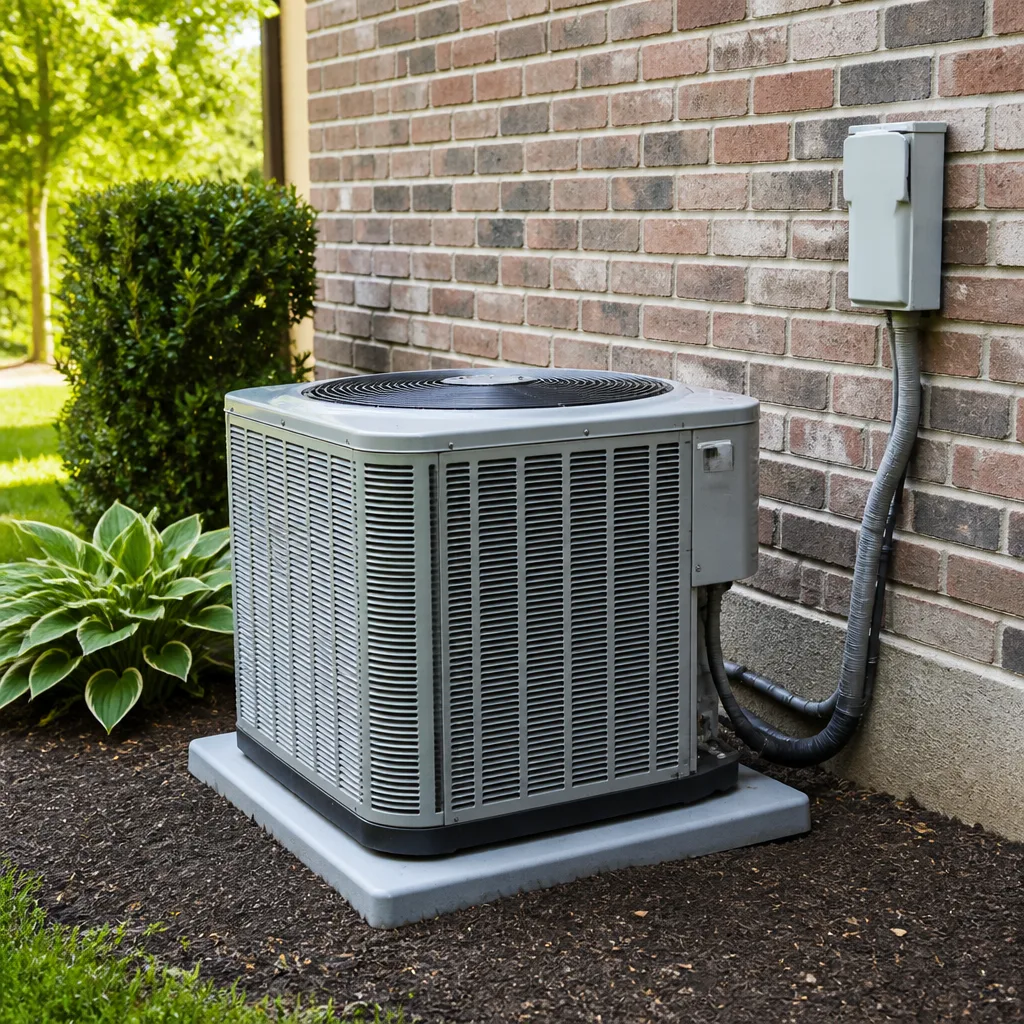 AC repair
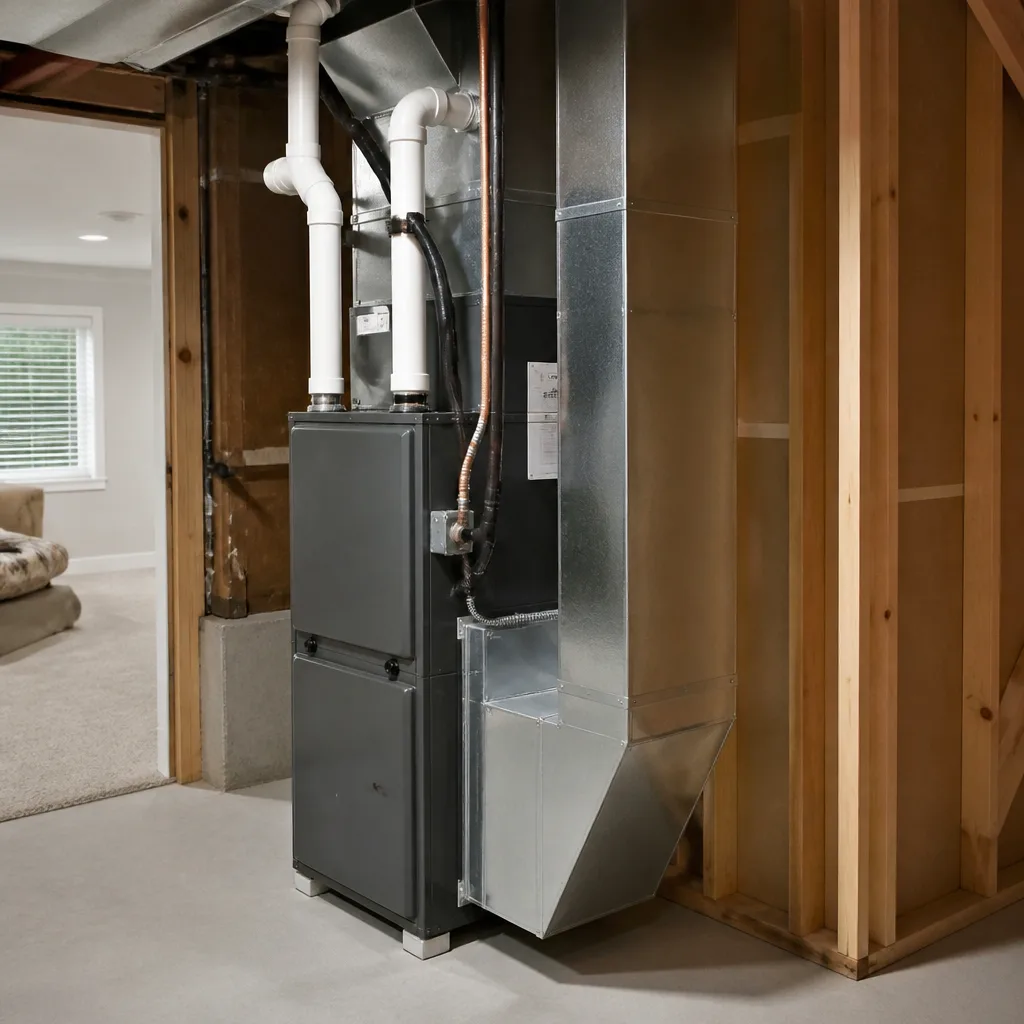 Furnace & heating
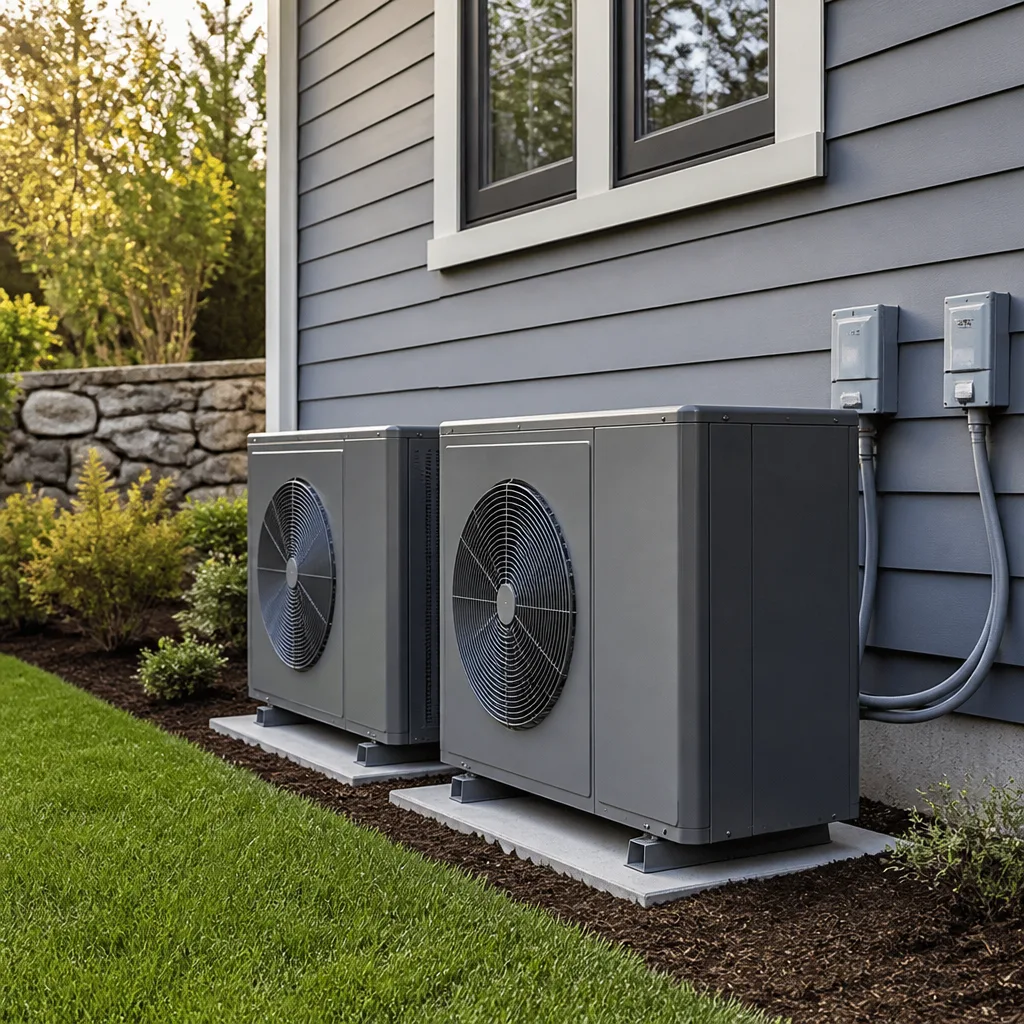 Heat pumps
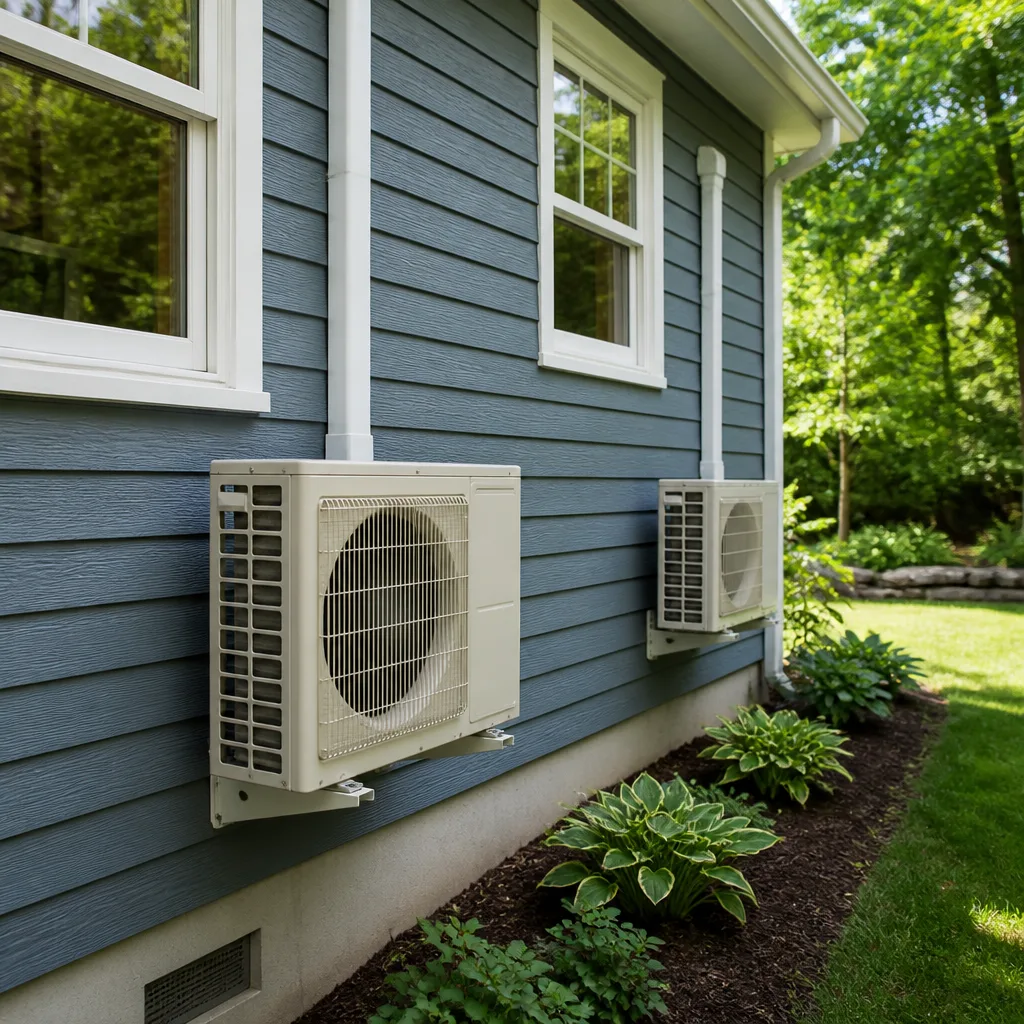 Ductless mini splits
 Carrier
 Trane
Trane Goodman
Seasonal tune-up and full diagnostic on your Carrier, Trane, or Goodman system - readings shown to you before any repair is proposed
Diagnosis first, numbers second - you approve the repair price before a single part goes in.
Get your free estimateThe Complete Guide to HVAC in Los Angeles
Here’s a counterintuitive fact most homeowners don’t learn until they’ve already paid for it: an air conditioner in Los Angeles runs roughly 1,800 to 2,400 hours per year. The same unit in Minneapolis might run 400. Yet national HVAC advice treats all climates as if they’re roughly the same, and plenty of LA contractors recycle sizing charts built for Phoenix or Atlanta. That’s why a Westside home and a Chatsworth home, twelve miles apart, need fundamentally different equipment decisions. This guide walks through what actually matters for HVAC in Los Angeles: microclimates, Title 24 code, equipment lifespans under near-constant load, and what a written guarantee should look like before you sign anything.
Styles & brands we work with
Quick Answer
HVAC in Los Angeles is a cooling-first proposition shaped by coastal, valley, and inland microclimates, California’s Title 24 energy code, and equipment that runs nearly year-round. The right system for your home depends on your specific Los Angeles neighborhood’s temperature profile, not a one-size-fits-all national chart. Before hiring anyone, get a written price up front, verify Title 24 compliance for any equipment change, and ask for a repair guarantee in writing, not just a handshake.
Table of Contents
- Why LA Microclimates Change Everything About Equipment Sizing
- Cooling-First: What LA Homeowners Should Actually Prioritize
- California Title 24 Compliance in Los Angeles County: What It Means for Your HVAC
- The Real Lifespan of HVAC Equipment in Southern California
- What a Written Guarantee Should Look Like From Any LA Contractor
- Annual Maintenance You Actually Need in Los Angeles (and What You Can Skip)
- What HVAC Replacement Costs Run in Los Angeles in 2026
- Common Mistakes to Avoid
- When to Call a Professional
- Frequently Asked Questions
- The Bottom Line
Why LA Microclimates Change Everything About Equipment Sizing
Los Angeles is not one climate. It’s a collection of distinct temperature bands shaped by the Pacific Ocean, the Santa Monica Mountains, and the San Fernando Valley’s bowl-like geography. A home in Santa Monica or Playa del Rey might hit 80 degrees on a day when Woodland Hills hits 105. That’s not a mild variance. It’s a 25-degree spread that changes how much cooling capacity a home actually needs.
Here’s what that means in practical terms:
- Coastal zones (Santa Monica, Venice, San Pedro, Long Beach): Marine layer keeps summer temperatures moderate. Cooling loads are lower, but humidity is higher than inland. Equipment sizing should not be inflated. An oversized unit on the coast short-cycles, which means it cools the air too fast without removing moisture. That leaves a clammy, uncomfortable house.
- Basin areas (Silver Lake, Echo Park, Mid-City, Koreatown): Moderate cooling demand with occasional heat spikes during Santa Ana wind events. Proper sizing matters here because the home may go weeks with light cooling need, then suddenly face a 95-degree day.
- Valley zones (Encino, Chatsworth, Northridge, Woodland Hills): This is where Los Angeles summers get genuinely hot. Woodland Hills routinely records the highest temperatures in the city, sometimes exceeding 110 degrees. Homes in the Valley need real cooling capacity, well-sealed ductwork, and equipment that can sustain long run times without breaking down.
- Foothill and canyon areas (La Cañada, Tujunga, portions of the Hollywood Hills): These homes face higher fire-season particulate exposure, which means filtration matters more. They also deal with elevation-driven temperature swings.
In our experience, the single biggest sizing mistake we see in Los Angeles is using a Phoenix or Las Vegas load calculation for a Westside home. The result is a unit that’s 30% too large, short-cycles constantly, fails prematurely, and never removes enough humidity. The correct approach is a Manual J load calculation that accounts for your home’s exact orientation, window area, insulation levels, and the actual temperature profile of your specific Los Angeles neighborhood. That’s the only way to get the right equipment size, and it’s also what Title 24 compliance requires for permitted installations.
If you’re comparing quotes and one contractor proposes a 4-ton unit for your coastal home while another proposes 3 tons, ask both to show their load calculation. The company that does the math wins. The company that guesses by “rule of thumb” is guessing wrong.
Cooling-First: What LA Homeowners Should Actually Prioritize
National HVAC guides spend enormous energy on furnace efficiency, AFUE ratings, and cold-weather performance. Most of that is low priority in Los Angeles. The average LA home runs its furnace perhaps 200 to 400 hours per year, compared to 1,800 or more hours of air conditioning. Your money should follow your run time.
Here’s what actually matters for a cooling-dominant climate:
- SEER2 rating on the AC or heat pump. SEER2 is the current federal efficiency metric for cooling. In Los Angeles, where cooling dominates, a higher SEER2 rating translates directly into lower summer bills. A 16 SEER2 unit costs less to run than a 14 SEER2 unit, but it’s not always the right financial choice. We’ll break down the cost math later in this guide.
- Ductwork condition and sealing. Los Angeles homes, especially those built between the 1950s and 1980s, frequently have leaky ductwork. Leaky ducts can waste 20% to 30% of the cooled air you’re paying for. Before you replace an AC unit, have the ducts inspected. In some LA homes, sealing and insulating existing ducts delivers better comfort per dollar than swapping the equipment.
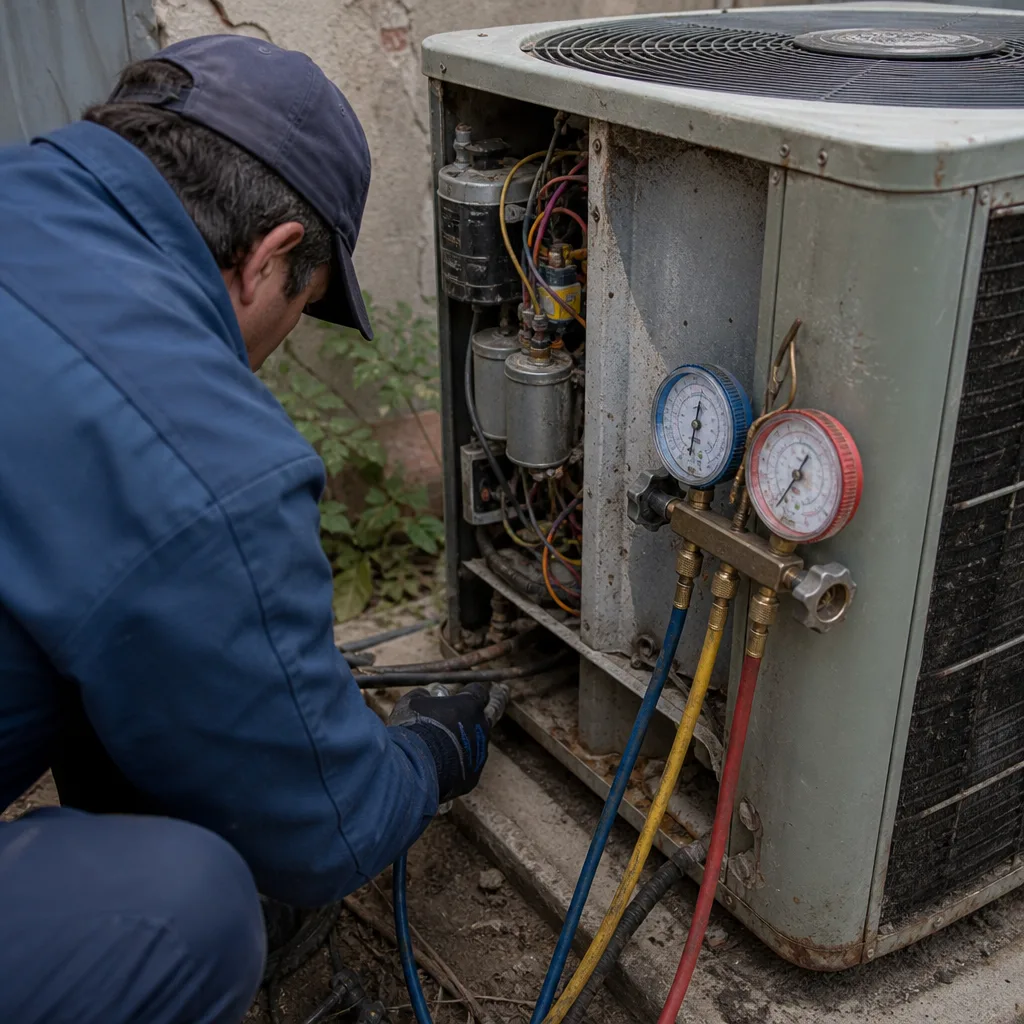
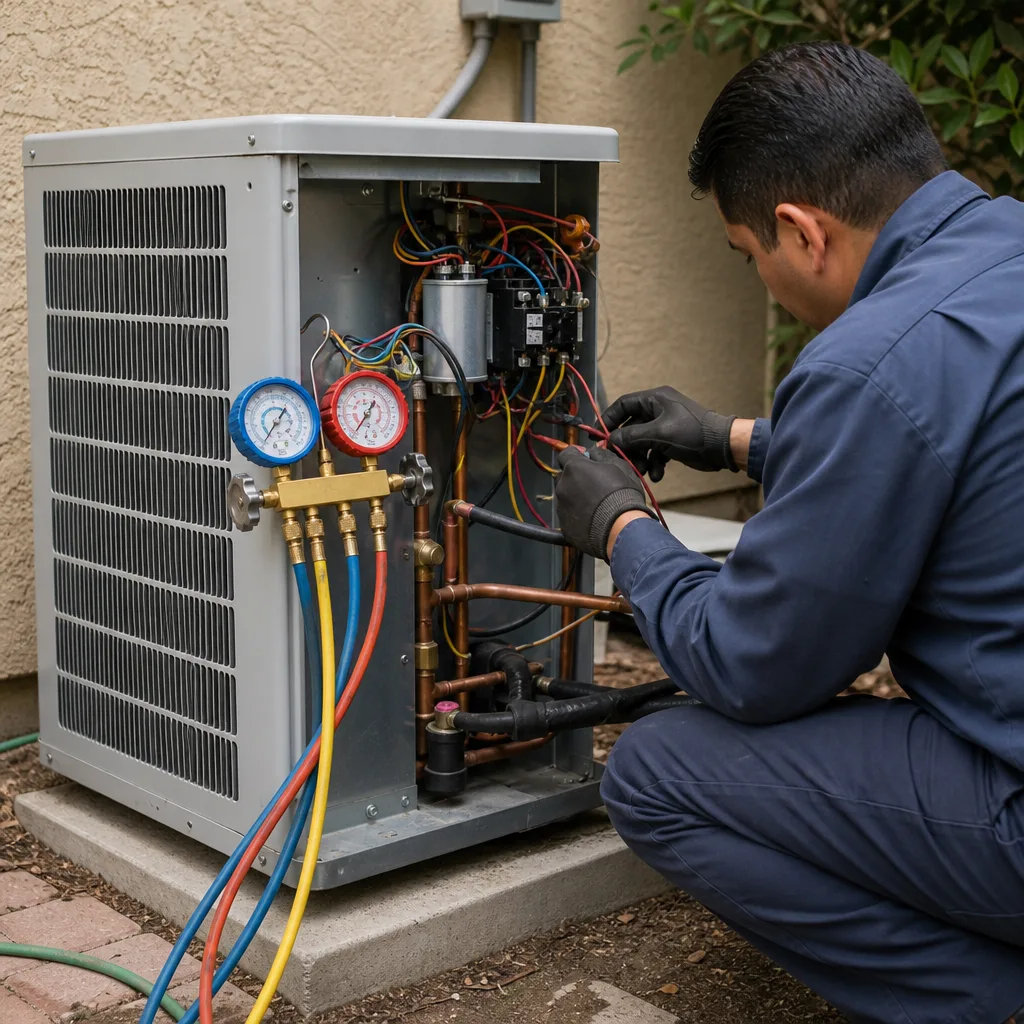
- Proper refrigerant charge. If your AC is low on refrigerant, it doesn’t just cool poorly. It runs longer, pulls more electricity, and shortens compressor life. A refrigerant recharge (topping off the cooling fluid your AC needs to run) is one of the most common repairs in Los Angeles, particularly on systems over eight years old.
- Filtration and indoor air quality. LA’s air quality challenges, especially during wildfire season or heavy inversion days, make filtration a genuine health consideration. A media filter cabinet or a properly sized high-MERV filter can meaningfully reduce particulate matter inside your home. This matters more in the foothills and canyon communities, but even central LA residents benefit during Santa Ana-driven smoke events.
What most LA homeowners can skip: paying a premium for a 97% AFUE furnace. That’s a condensing furnace designed for cold climates where heating bills are the primary energy expense. At 200 to 400 hours of annual run time, the payback period for that upgrade in Los Angeles stretches decades. A standard 80% AFUE furnace, or better yet a heat pump that handles both heating and cooling, is usually the smarter financial move for this climate.
For more detail on cooling-specific repairs and what they cost, see our guide on AC Repair in Los Angeles.
California Title 24 Compliance in Los Angeles County: What It Means for Your HVAC
California’s Title 24 Building Energy Efficiency Standards are the most stringent in the country, and they apply directly to HVAC work in Los Angeles. Title 24 is not a suggestion or a city-specific add-on. It’s state energy code, and Los Angeles County enforces it through the permitting process.
Here’s what Title 24 means when you replace, add, or move HVAC equipment in Los Angeles:
- Any new or replacement HVAC system must meet current minimum efficiency standards. As of the 2023 code cycle and continuing into the 2026 updates, that means meeting specific SEER2 and EER2 thresholds depending on equipment type and capacity. The exact numbers vary by system, which is why your contractor should be able to produce the compliance documentation.
- Duct systems must be sealed and tested. When ducts are installed or substantially altered in Los Angeles, Title 24 requires duct leakage testing. The goal is to confirm that the system isn’t losing conditioned air into attics or crawlspaces.
- Proper sizing is mandatory, not optional. Title 24 requires a load calculation for new and replacement systems. Guessing a system size based on square footage alone is both bad practice and a code violation. A proper Manual J calculation, sometimes done through HERS (Home Energy Rating System) verification, is part of the compliance package.
- Refrigerant charge verification is required. When a system is installed, the installer must verify refrigerant charge using manufacturer specifications and document that verification.
- Permits are required for most HVAC replacements and installations. In Los Angeles, replacing an air conditioner, furnace, or heat pump typically requires a permit from the Los Angeles Department of Building and Safety (LADBS). A contractor who tells you a permit isn’t needed for a full system replacement is not doing you a favor. They’re asking you to accept an unpermitted installation that can complicate a future home sale and may not meet code.
The practical takeaway: any legitimate HVAC contractor working in Los Angeles should handle Title 24 compliance as a standard part of the job, including the permits, the HERS verification where required, and the documentation. If a quote seems unusually cheap and the contractor gets vague about permits or testing, that’s a red flag. The compliance work is not optional overhead. It’s the difference between an installation that’s legal and insurable versus one that isn’t.
The Real Lifespan of HVAC Equipment in Southern California
Here’s a number that matters: a typical central air conditioner in Los Angeles lasts 12 to 16 years under normal operating conditions. That’s shorter than the national average of 15 to 20 years, and the reason is simple. LA systems run more hours every year than systems almost anywhere else in the country.
Think of it this way: equipment wear is cumulative. A compressor doesn’t care whether it’s running in July heat or December sunshine. It cares about total runtime. An LA air conditioner that runs 2,000 hours per year will hit the 20,000-hour wear threshold in about a decade. A Minneapolis unit that runs 400 hours per year takes 50 years to reach the same point. That’s why national lifespan charts don’t translate to Los Angeles.
What this means for LA homeowners:
- If your AC is 12 years or older and needs a major repair, replacement should be the serious conversation. A compressor replacement on a 14-year-old unit in Los Angeles often costs 60% to 75% of a new system, while the remaining lifespan of the repaired unit may be only a few more years.
- Furnaces in LA last longer than AC units. A furnace that runs 300 hours per year might last 20 to 25 years or more. It’s common for LA homes to replace the AC twice before replacing the furnace once, which is one reason pairing a new furnace with a new AC isn’t always necessary.
- Heat pumps change the math. A heat pump handles both heating and cooling by moving heat rather than generating it. In Los Angeles, where winter temperatures rarely dip below freezing for extended periods, a cold-climate heat pump can handle virtually all heating needs without a furnace. The technology has improved dramatically in the last decade, and for many LA homeowners replacing both a furnace and AC, a heat pump is worth serious consideration. Learn more about system replacement in our guide to AC Installation in Los Angeles.
The bottom line on lifespan: don’t use a national chart to decide whether to repair or replace. Use your system’s actual age, its runtime history in this LA climate, and the cost of the repair relative to replacement. A good contractor will show you that math in writing before you make a decision.
What a Written Guarantee Should Look Like From Any LA Contractor
Most Los Angeles HVAC contractors offer a verbal assurance. “If it breaks again, we’ll take care of you.” The problem is that verbal assurances don’t hold up. When the repair fails three months later, the homeowner calls and gets a different person on the phone, or a tech who doesn’t know what was promised, or a bill for the second visit.
Here’s what a written guarantee should include, in plain language, before you hire anyone:
- A specific duration. “Covered for one year” or “covered for 365 days.” Not “for a reasonable period.”
- A specific remedy. “If the repair fails within the guarantee period, we will return and correct the work at no additional charge.” Not “we’ll take a look at it.”
- What’s covered and what isn’t. A legitimate guarantee covers the repair work performed. It doesn’t pretend to cover unrelated failures. If your blower motor was repaired and your refrigerant line develops a leak six months later, those are different systems. A clear guarantee spells that out.
- The guarantee in writing, not verbal. The guarantee should be on the invoice or a separate document you receive when the technician leaves. You shouldn’t have to ask for it.
Coldharbour Heating & Air operates under a specific written standard called the 365-Day Done Right Promise. Every repair comes with a written guarantee valid for a full year. If the repair fails in that window, we come back and correct the work at no charge. That means a free second visit if the repair doesn’t hold, not a discounted one, not a diagnostic fee. It’s on paper before the technician leaves your home.
We put this in writing because we think Los Angeles homeowners have been burned enough by contractors who promise one thing on the phone and deliver another at the door. You can ask any contractor you’re considering the direct question: “Will you put the guarantee in writing before the work starts?” If the answer is anything other than a straightforward yes, get another quote.
The same principle applies to pricing. The Kingswell Way, the standard that governs our work, requires a written price delivered before any work begins. That price does not change at the door. If a contractor can’t tell you what the job costs before they start, you’re not getting a quote. You’re getting an opening offer.
Annual Maintenance You Actually Need in Los Angeles (and What You Can Skip)
Maintenance advice in LA is often copy-pasted from guides written for cold-climate homeowners. That means you’ll see recommendations for furnace tune-ups every fall and AC checks every spring. In Los Angeles, the real priority is different.
Here’s what we recommend, based on how systems actually run here:
- One thorough AC check per year, best scheduled in late winter or early spring. By March, the hottest months haven’t hit yet, but your system has been running through the previous summer and fall. This is the time to catch wear on capacitors, contactors, and other electrical components before the first 100-degree day in the Valley.
- Refrigerant level check as part of that annual AC visit. Low refrigerant doesn’t just reduce cooling capacity. It causes the system to run longer and hotter, accelerating compressor wear. A small leak caught early is a $200 repair. A failed compressor caught late is a $2,500 repair.
- Duct inspection every few years, especially for older LA homes. If your home was built before 1990 and hasn’t had ductwork inspected, you may be paying to condition your attic. Leaky ducts waste energy and reduce comfort in every room they serve.
- Furnace maintenance can be lighter. In LA, furnaces run so few hours that they need less frequent attention. You still want the heat exchanger checked for cracks, especially if the furnace is more than 15 years old, but the urgency is lower than in a Minneapolis winter. If your furnace does fail, our guide to Furnace Repair in Los Angeles covers what to expect.
- Filter changes matter more than most LA homeowners think. A clogged filter restricts airflow, which makes the AC work harder and cool less effectively. In dusty parts of the Valley, especially during Santa Ana wind events, filters can load up in as little as 30 days. Check monthly. Change when dirty. No fancy schedule needed.
What you can skip: two full-system tune-ups per year, one for each season. That’s a northern-climate schedule. One thorough AC visit per year, plus basic filter discipline, covers most Los Angeles homes adequately. For more detail on keeping a furnace healthy specifically, see our Furnace Repair in Los Angeles guide.
What HVAC Replacement Costs Run in Los Angeles in 2026
Let’s talk real numbers. HVAC replacement costs in Los Angeles vary by system type, efficiency rating, and home size, but here’s what you should expect to pay based on current market conditions in the LA basin:
| System Type | Typical Installed Cost Range (LA Market) | Notes |
|---|---|---|
| Basic 14 SEER2 AC + 80% AFUE furnace replacement | $9,500 – $13,500 | Common for 1,200-1,800 sq ft homes in the basin |
| Mid-range 16 SEER2 AC + 80% AFUE furnace | $12,000 – $16,500 | Better efficiency with shorter payback in hot Valley zones |
| High-efficiency 18-20 SEER2 AC + variable-speed furnace | $16,000 – $22,000 | Best comfort, longest warranties, highest upfront cost |
| Heat pump replacing both AC and furnace | $11,000 – $18,000 | Eligible for utility rebates; handles LA winters easily |
| AC-only replacement (furnace stays) | $7,000 – $11,000 | Common for 8-12 year old systems where furnace still has life |
| Ductwork replacement (full house) | $5,000 – $9,000 | Price depends heavily on attic access and home size |
These are installed prices including labor, materials, permits where applicable, and Title 24 compliance documentation. Your specific quote will depend on your home’s size, system access, existing ductwork condition, and the equipment brand you choose. Brands like Bryant, Rheem, York, and Daikin all offer strong mid-range and high-efficiency options that work well in Los Angeles conditions, but the installing contractor matters more than the badge on the unit. A poorly installed premium system will underperform a properly installed mid-range system every time.
Rebates are a real consideration in Los Angeles. The federal Inflation Reduction Act provides tax credits for qualifying heat pumps and high-efficiency equipment, and California has additional incentives through the TECH initiative and utility-specific programs. Your contractor should handle the paperwork and show you exactly what rebates your specific system qualifies for before you sign. If they don’t mention rebates at all, ask why.
For a deeper look at replacement decisions and what an installation should include, read our guide on AC Installation in Los Angeles.
Common Mistakes to Avoid
- Oversizing the air conditioner. The most common error in Los Angeles, especially on the Westside and in coastal zones. An oversized unit cools the air too quickly, never runs long enough to dehumidify, and fails prematurely from constant on-off cycling.
- Paying for a high-efficiency furnace you don’t need. A 97% AFUE condensing furnace makes sense in Boston. In Los Angeles, where heating runs 200 to 400 hours per year, the payback on that upgrade can exceed 20 years. Put the money toward a higher SEER2 cooling system instead.
- Ignoring ductwork condition. Replacing an AC unit while leaving 25% air leakage in the ducts is like framing a house on a cracked foundation. Get the ducts tested, at least measured, before you commit to new equipment.
- Accepting a verbal guarantee. “We’ll take care of it” is not a guarantee. Get the terms in writing before the work starts, with specific duration and remedy language.
- Skipping permits to save a few hundred dollars. Unpermitted HVAC work in Los Angeles can complicate a home sale, void a manufacturer warranty, and fail Title 24 compliance. The savings aren’t worth the liability.
- Delaying a repair on an aging compressor. When a 13-year-old AC starts showing signs of compressor trouble, the worst financial move is to keep patching it. A compressor replacement on an aging system in Los Angeles often costs enough to make the repair-or-replace decision obvious. Get the numbers in writing and make the call.
When to Call a Professional
Call an HVAC professional when your system makes unusual noises (grinding, squealing, or banging), when it short-cycles (turns on and off repeatedly without reaching temperature), when rooms that used to be comfortable no longer are, or when your energy bill spikes without a change in usage. In Los Angeles, these symptoms often accelerate during heat waves, which is exactly when emergency room AC breakdowns spike too. If your system is more than 10 years old and needs a repair costing more than half the price of a new unit, that’s a replacement conversation, not a repair conversation. Cold Harbour Heating and Air Los Angeles offers free estimates in Los Angeles – call (213) 531-5904.
Frequently Asked Questions
Full HVAC replacement in Los Angeles typically runs $9,500 to $22,000 depending on system type, efficiency rating, and home size. A basic AC and furnace replacement for a 1,500 square foot home in the LA basin usually lands between $10,000 and $14,000 installed, including Title 24 compliance and permits. Call (213) 531-5904 for an exact quote – estimates are free.
If your AC is under 10 years old and the repair costs less than 40% of a new system’s price, repair is usually the right call. If it’s over 12 years old and the repair involves the compressor, replacement is almost always the better financial decision in Los Angeles, where high annual runtime shortens remaining lifespan.
Yes. Cold Harbour Heating and Air Los Angeles answers phones live 24 hours a day, 7 days a week, and we prioritize same-day service for AC failures during Los Angeles heat events. Call (213) 531-5904 and a live person will take your call, not a voicemail tree.
Title 24 is California’s energy efficiency building code, and it applies to nearly all HVAC replacements and installations in Los Angeles. It requires proper sizing calculations, duct leakage testing where applicable, refrigerant charge verification, and compliance documentation. Any legitimate contractor should handle this as standard practice.
Yes. Federal tax credits for high-efficiency heat pumps and air conditioners, plus California utility incentives, are available for qualifying systems. Your contractor should identify which rebates apply to your specific equipment and handle the paperwork before installation. Call (213) 531-5904 for a quote that includes available rebates.
In Los Angeles, most air conditioners last 12 to 16 years, compared to a national average of 15 to 20 years. The shorter lifespan is due to much higher annual runtime in LA’s cooling-dominant climate. Furnaces last longer here, often 20 to 25 years, because they run far fewer hours per year.
The Bottom Line
Los Angeles HVAC is a different game from the national playbook. Your neighborhood’s microclimate determines your sizing. Your cooling runtime determines your priorities. Title 24 determines your compliance obligations. And the contractor’s willingness to put pricing and guarantees in writing determines whether you’ll be treated fairly when a repair doesn’t hold. The right system for an Encino home isn’t the right system for a San Pedro home, and the right contractor is the one who does the math, pulls the permits, and hands you a written guarantee before the work starts. Cold Harbour Heating and Air Los Angeles has been doing exactly that since 2003, following the Kingswell Way: say the price before the work, show up in the window given, leave the place cleaner than found, put the guarantee in writing, and come back if it fails.
Written by Victor Mancini, Owner at Cold Harbour Heating and Air Los Angeles, serving Los Angeles since 2003.
See the difference
 Before
 After
After Before
 After
After Before
 After
After