
Last updated October 16, 2026
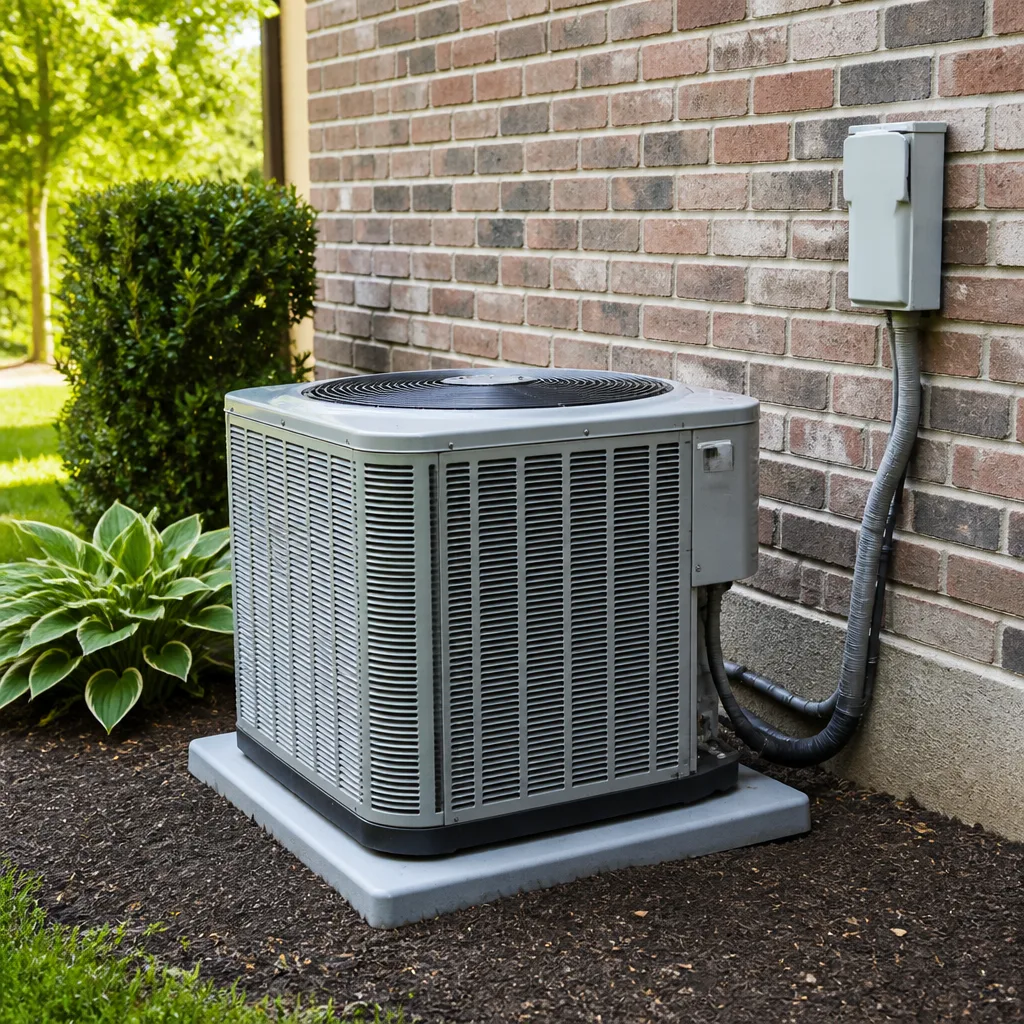 AC repair
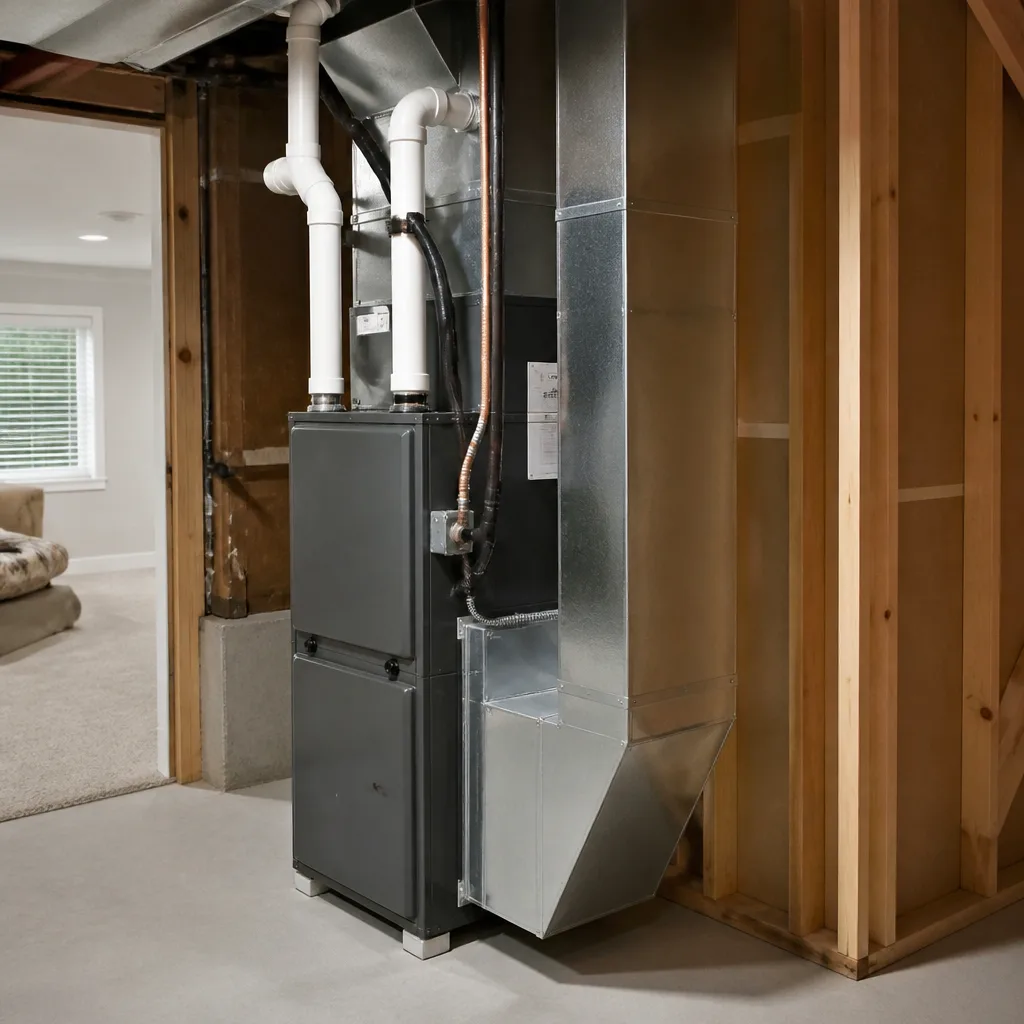 Furnace & heating
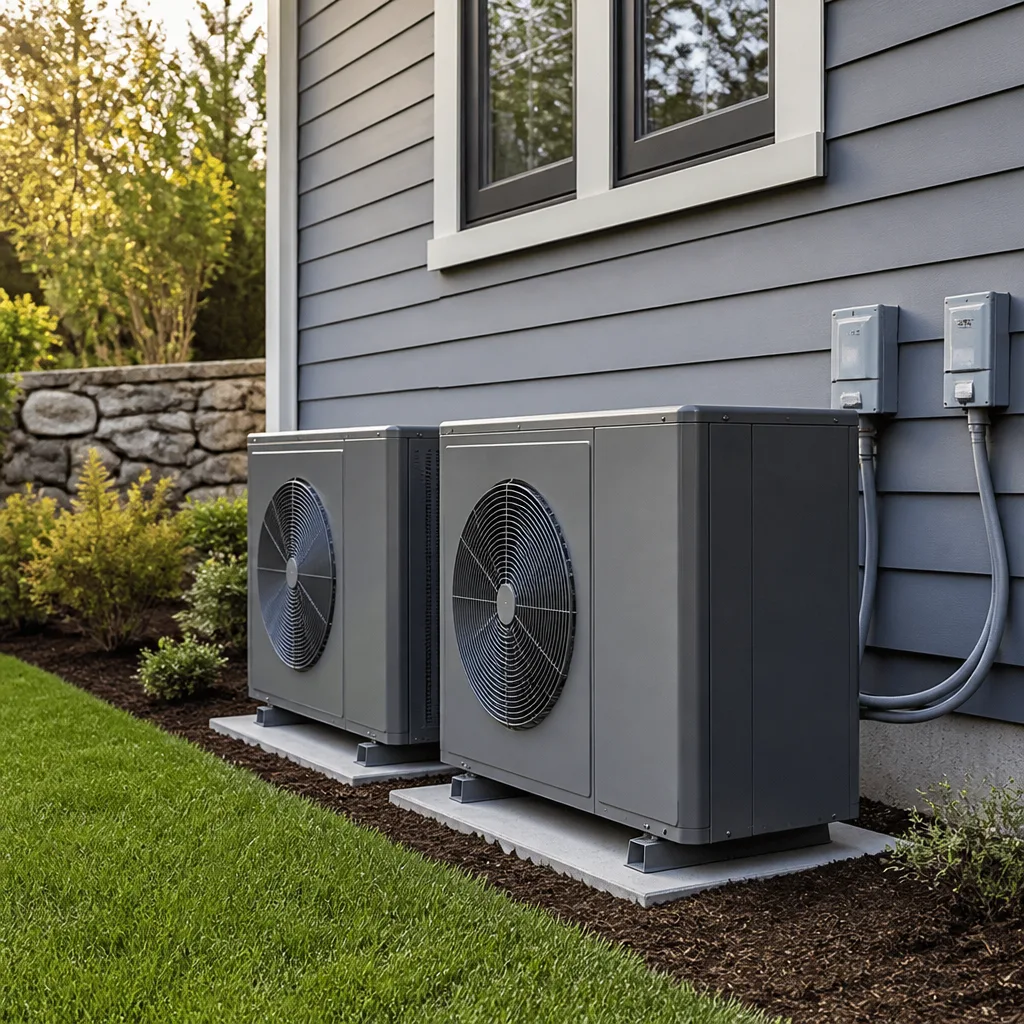 Heat pumps
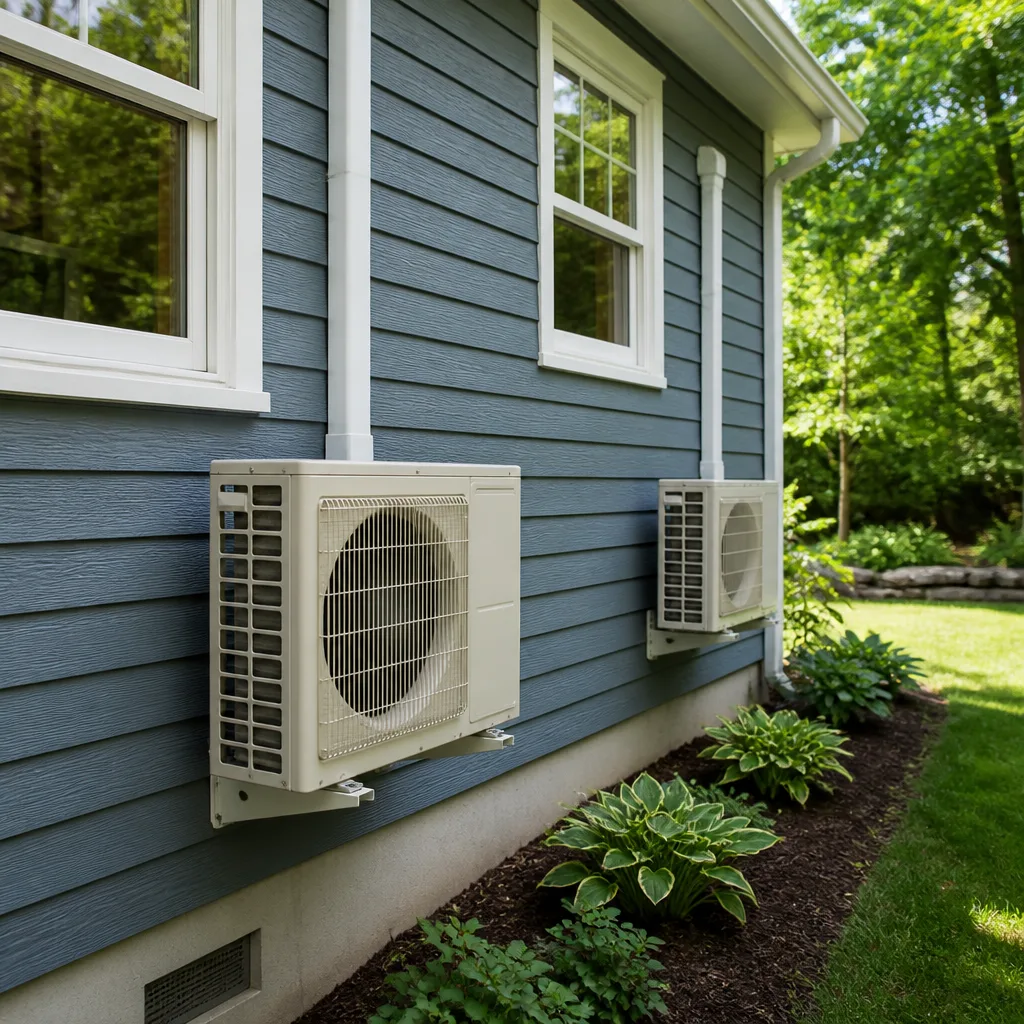 Ductless mini splits
 Carrier
 Trane
Trane Goodman
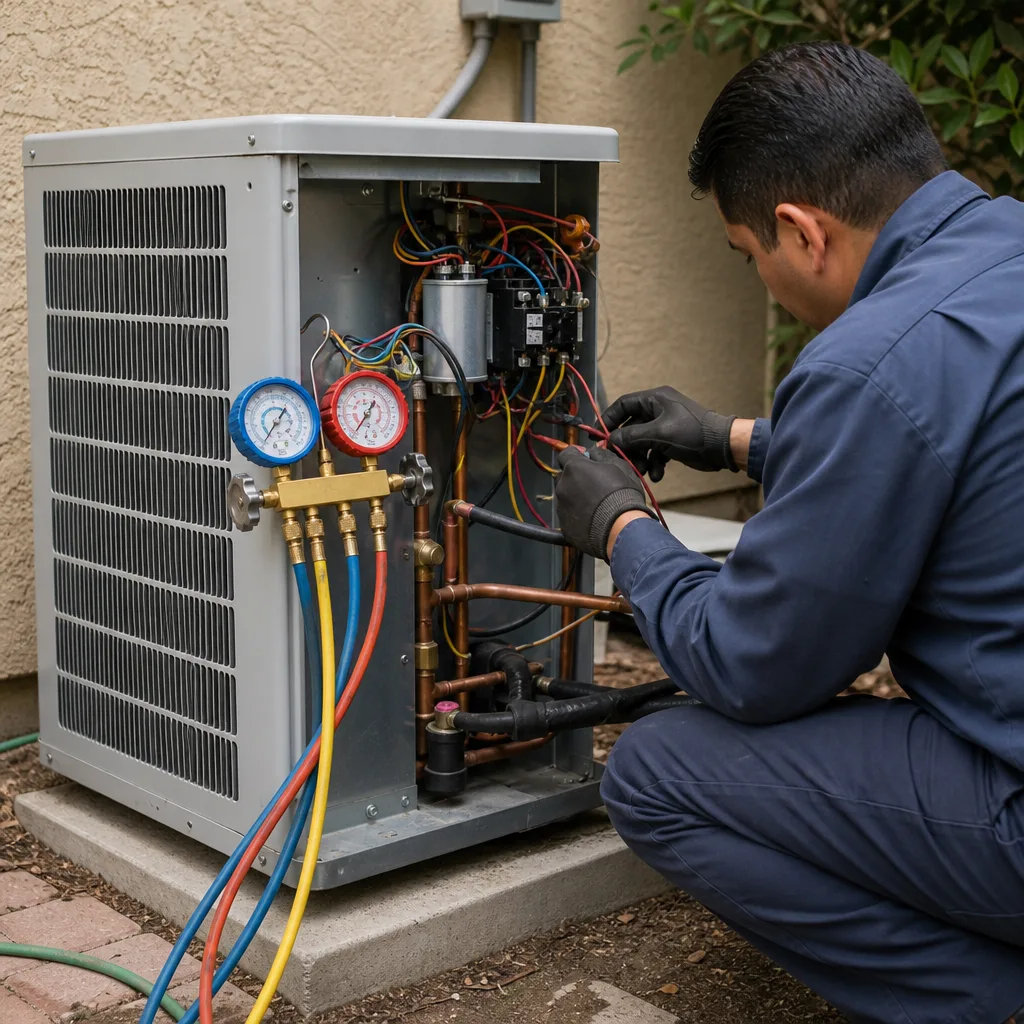
Seasonal tune-up and full diagnostic on your Carrier, Trane, or Goodman system - readings shown to you before any repair is proposed
Diagnosis first, numbers second - you approve the repair price before a single part goes in.
Get your free estimateHVAC Cost Breakdown: The Los Angeles Homeowner’s Reference for 2026
The national average cost figures you see in most HVAC articles are off by $800 to $2,000 for Los Angeles homeowners. Not because contractors are gouging, but because permit fees, CARB-compliant refrigerant requirements, and LA labor rates create a cost floor that doesn’t exist in Dallas or Denver. This guide walks through the real numbers line by line, including the Title 24 verification cost most quote sheets never mention and the rebate math that changes your actual out-of-pocket price. For seasonal HVAC care in Los Angeles that protects your investment year-round, see our companion guide.
Styles & brands we work with
Quick Answer
A full HVAC system replacement in Los Angeles runs $9,500 to $18,500 for most single-family homes in 2026, before rebates. LADWP and SoCalGas rebates knock $800 to $3,500 off that number depending on equipment efficiency tier. Furnace-only replacements run $3,800 to $6,900, and AC-only runs $5,200 to $9,400.
Table of Contents
- Line-Item Breakdown of a Typical LA HVAC Replacement
- Permit Fees and Title 24: The Costs Most Guides Skip
- Why LA Labor Rates Are Higher Than the National Average
- LADWP and SoCalGas Rebates in 2026: What Actually Applies
- What Drives Price Variation Across Los Angeles Neighborhoods
- How to Evaluate Competing Quotes Without Getting Burned
- Repair vs. Replace: The Numbers That Make the Call
- Common Mistakes to Avoid
- When to Call a Professional
- Frequently Asked Questions
- The Bottom Line
Line-Item Breakdown of a Typical LA HVAC Replacement
Most homeowners see one number on a quote and assume it’s all equipment. It’s not. A complete Los Angeles HVAC replacement has five distinct cost buckets, and knowing what’s in each one is the difference between an accurate budget and a surprise at the final invoice. Here’s what we write down for our customers, line by line, before any work begins.
Equipment accounts for roughly 45% to 55% of the total. A mid-tier 3-ton system from Carrier, Trane, or Lennox runs $4,200 to $6,800 for the condenser, evaporator coil, and air handler or furnace depending on whether you’re replacing the full system or just one side. Entry-level Goodman equipment lands closer to $3,500 to $4,800. Variable-speed top-tier equipment pushes $7,500 to $9,000 before installation.
Labor runs 25% to 30% of the job. A full system swap in Los Angeles takes two technicians one to two days, and you’re paying for licensed, background-checked installers who pull permits, handle refrigerant recovery by the book, and test airflow and charge before they leave. Labor alone typically runs $2,400 to $4,200 on a full replacement.
Permits and compliance run $600 to $1,800 depending on jurisdiction. This is the bucket most online cost guides skip entirely, and it’s mandatory in Los Angeles County. For full details, see our guide to HVAC Permits, Codes & Inspections in CA: What You Need to Know.
Disposal and haul-away runs $150 to $400. Old equipment can’t go in a standard dumpster. Refrigerant must be recovered and recycled through an EPA-certified process, and the scrap metal has value that reputable companies credit back to you. A company that doesn’t mention disposal on the quote is likely burying it in another line or planning to leave the old unit in your yard.
Ductwork modifications and airflow adjustments run $300 to $1,500 when needed. Older Los Angeles homes built before 1990 often have undersized or leaky ducts, and slapping new equipment on weak ductwork tanks efficiency by 15% to 30%. We check static pressure on every install and tell you plainly if ducts need sealing or partial replacement before we quote the equipment, not after.
Here’s a typical mid-range 3-ton full system replacement in a 1,800-square-foot Los Angeles home, all costs bundled:
- Equipment (Carrier Performance series or equivalent): $5,600
- Labor (two techs, two days): $3,400
- Permit and Title 24 HERS verification: $1,100
- Disposal and refrigerant recovery: $275
- Minor duct sealing and airflow adjustment: $600
- Total before rebates: $10,975
- LADWP heat pump rebate (if applicable): -$1,000
- Net cost: $9,975
That’s the real number. Not the $6,000 figure you’ll find on a national blog that’s never pulled a permit in Los Angeles.
Permit Fees and Title 24: The Costs Most Guides Skip
If you read one section of this guide, make it this one. Title 24 is California’s energy efficiency code, and it applies to every HVAC replacement in Los Angeles County. The code requires a HERS rater (Home Energy Rating System) to verify that your new system was installed to spec and that duct leakage is within acceptable limits. That verification isn’t free, and it’s not optional.
Title 24 compliance costs break down like this:
- HERS rater verification: $250 to $600. A third-party certified rater inspects the install, runs a duct leakage test, and files the compliance paperwork with the state. This is paid by you, the homeowner, either as a line item or bundled into the contractor’s quote.
- Building permit: $200 to $800 depending on your city. Los Angeles City charges one fee. Pasadena charges a different one. Unincorporated county areas use Los Angeles County’s fee schedule. Your contractor should know your jurisdiction and pull the right permit, because a homeowner pulling their own mechanical permit is technically possible but rarely wise when the inspector starts asking about static pressure and charge levels.
- Duct sealing compliance: $100 to $700. Title 24 sets maximum allowed duct leakage. Older homes almost never pass on the first test, which means sealing work before the rater comes back. A contractor who doesn’t schedule the HERS rater until after they’ve tested your ducts is doing you a favor. One who skips the test entirely is setting you up for a failed inspection and a delayed final sign-off.
Total Title 24 and permit costs in Los Angeles run $600 to $1,800 on a typical full system replacement. When you see a quote that’s $1,500 under every other bid, the first question to ask is whether permits and HERS verification are on the sheet. If they’re not, that quote isn’t cheaper. It’s just incomplete.
Why LA Labor Rates Are Higher Than the National Average
Los Angeles has one of the tightest skilled-trade labor markets in the country. Licensed HVAC technicians with five-plus years of experience command $38 to $65 per hour in direct wages, and that’s before workers’ compensation insurance, which runs higher in California than in most states. The result is a labor rate that’s 20% to 35% above the national average, and that’s not padding. It’s what it costs to run a legal payroll in this state.
We’ve been doing this since 2003, and the labor market in Los Angeles is the most competitive we’ve seen. Technicians who can work on Carrier, Trane, Lennox, and Goodman equipment correctly, safely, and on schedule have options. The companies that pay below-market wages are the ones sending out apprentices on jobs that need a journeyman, missing their arrival windows, and cutting corners on the details that don’t show up until a year later.
California workers’ comp rates for HVAC work sit among the highest in the nation because the work involves electricity, refrigerant, and heights. A company that’s properly licensed and insured pays those premiums. A company that quotes labor 30% under market is either uninsured or paying someone under the table, and both of those paths end badly for the homeowner when something goes wrong.
What you’re buying with higher labor rates isn’t just an installation. It’s a technician who pulls a vacuum on your refrigerant lines properly instead of rushing, who checks subcool and superheat rather than guessing, and who leaves a job site that looks like they were never there. That’s the standard we write down and hand to customers before work starts, because it’s the standard the Kingswell network has held since 2003.
LADWP and SoCalGas Rebates in 2026: What Actually Applies
Here’s where a smart Los Angeles homeowner saves real money. The rebate landscape changes, but the big programs in 2026 are heat pump conversion incentives from LADWP and furnace efficiency rebates from SoCalGas. The key is knowing which applies to your job before you sign, not after the equipment is ordered.
- LADWP heat pump rebate: $500 to $2,000, depending on equipment efficiency and whether it’s a full HVAC replacement or a targeted conversion from gas to electric heat. Heat pump water heater rebates are separate and don’t apply to space heating.
- SoCalGas high-efficiency furnace rebate: $250 to $500 for furnaces at 95% AFUE or higher. This applies when natural gas is staying as your heating source, which is still the most common setup in Los Angeles.
- Federal tax credit (25C): Up to $2,000 for qualifying heat pump installations. This is a tax credit, not a point-of-sale rebate, and it’s claimed when you file your return. It can stack with LADWP incentives.
- LADWP whole-house retrofit program: If you’re doing insulation, duct sealing, and HVAC together, this program can add $500 to $1,500 on top of the equipment rebate. It requires pre-approval and a participating contractor.
Real-world math: a heat pump replacement in a Los Angeles home that qualifies for the LADWP rebate, the 25C tax credit, and has duct sealing done at the same time can net out $2,500 to $3,500 below the sticker price. A furnace replacement with a SoCalGas rebate is more modest, $250 to $500 off, because the program is smaller.
The catch: rebate paperwork has filing windows, requires specific model numbers, and gets rejected for incomplete documentation. We handle the paperwork on every job, because a rebate that never gets filed is a discount you never received. When you’re evaluating quotes, ask whether the company files rebate paperwork as part of the job or hands you a form and wishes you luck.
What Drives Price Variation Across Los Angeles Neighborhoods
The same 3-ton system installed in two different Los Angeles homes can legitimately vary by $2,000 to $4,000. The equipment is identical. The difference is jurisdiction, access, and the condition of what’s already in the house.
Permit jurisdiction is the first variable. Los Angeles City, Pasadena, Glendale, Burbank, and unincorporated county areas each have their own permit fees and inspection schedules. A job in Pasadena where the inspector requires two visits and a specific duct test costs more in compliance than a job in an unincorporated area with a different fee schedule. Your contractor should know which jurisdiction your address falls in and quote accordingly, not use a county-wide average.
Access difficulty is the second variable, and it hits hillside homes hardest. Homes in the Hollywood Hills, Mount Washington, Eagle Rock’s hillside streets, and the canyons above the San Fernando Valley often have rooftop package units, narrow staircases, or condenser pads on slopes. A crane lifts a rooftop unit in 20 minutes, but that crane runs $600 to $1,200. A condenser that has to be carried up 40 steps takes three technicians instead of two. These aren’t contractor add-ons. They’re the physical reality of your address.
Existing ductwork condition is the third variable. Homes built before 1990 in Los Angeles commonly have duct leakage of 25% or more, and Title 24 requires that number to drop below 15% on a full replacement. If your ducts are in rough shape, the fix ranges from $400 in sealing to $4,000 in partial replacement. We measure static pressure and duct leakage on every estimate walk-through so the number you see is the number you’ll pay, not a starting point for change orders.
The takeaway: a quote from your neighbor across the canyon isn’t a comparison for your house. The informed question isn’t “how much did you pay” but “what was on your quote sheet.”
How to Evaluate Competing Quotes Without Getting Burned
Competing quotes are only useful if you know what a complete quote looks like. A low bid that omits three mandatory line items isn’t a better price. It’s a bait quote that becomes a change order the moment the job hits its first inspection.
A complete Los Angeles HVAC replacement quote includes these line items, spelled out, on paper:
- Equipment: brand, model number, tonnage, SEER2 or AFUE rating, and warranty terms in writing.
- Labor: number of technicians, estimated duration, and whether it’s a fixed quote or hourly with a not-to-exceed cap.
- Permit and HERS verification: the specific permit fee for your jurisdiction and a separate line for the Title 24 rater.
- Disposal and refrigerant recovery: explicitly stated, with recovery certified per EPA requirements.
- Ductwork scope: whether sealing, modification, or replacement is included, and at what cost.
- Rebate application: which programs apply, the estimated rebate amount, and who files the paperwork.
Three red flags reveal an incomplete quote in seconds. First, no permit line item. That’s either a contractor planning to work unpermitted or one who’s about to “discover” the permit fee mid-job. Second, no HERS verification line. In Los Angeles County, that test is mandatory, and a quote that ignores it will grow by $250 to $600 before closing. Third, no model numbers. “High-efficiency system” without a specific model means you can’t verify the SEER2 rating or confirm the rebate eligibility, and you can’t compare it to another bid.
A low bid almost always excludes one of these three lines. When you point that out, the price comes up or the contractor disappears. Either way, you’ve learned what you needed to know.
Repair vs. Replace: The Numbers That Make the Call
The deciding number isn’t the repair cost. It’s the age of the system and the price of the refrigerant it uses. R-22 systems, which are still running in a meaningful number of Los Angeles homes built before 2010, are effectively on a countdown timer. R-22 refrigerant production was phased out years ago, and reclaimed R-22 now runs $150 to $300 per pound. A full recharge on an R-22 system can hit $800 to $1,400, and that’s money spent on a system that will leak again.
The repair-versus-replace math breaks down like this in 2026:
- System under 8 years old, minor repair (capacitor, contactor, igniter): Repair it. $150 to $350 fixes the problem, and the system has most of its life left.
- System 8 to 12 years old, compressor or heat exchanger failure: This is the gray zone. A compressor on an R-410A system runs $1,800 to $3,200. A heat exchanger on a furnace runs $1,500 to $2,800. At this age, you’re likely facing a second major component failure within two to three years.
- System over 12 years old, using R-22, with any major component failure: Replace. The refrigerant alone makes repair costs unpredictable, and the efficiency gain from a new system cuts your LADWP bill by 20% to 40%.
Our repair guarantee shapes how we advise customers. Every repair we do in Los Angeles carries a written 365-day guarantee. If that repair fails within the year, we come back and correct it at no charge. That’s not a verbal promise. It’s on paper before we leave. For a homeowner deciding between a $2,200 repair and a $10,000 replacement, a repair backed by a written guarantee is a legitimate middle path, because the risk of paying twice is off the table.
Common Mistakes to Avoid
- Buying the cheapest quote without checking for permit and HERS lines. The $1,500 you saved disappears the week inspections come due, plus the cost of redoing work that didn’t pass.
- Oversizing the system. “Bigger is better” is wrong for HVAC. An oversized unit short-cycles, doesn’t dehumidify, and wears out years early. A manual-J load calculation, specific to your home’s orientation and insulation, is the only correct way to size equipment in Los Angeles where microclimates vary block to block.
- Ignoring ductwork condition on a replacement. New equipment on leaky ducts is like a new engine on a car with flat tires. Title 24 will force the duct test, but the fix should be on the quote from day one.
- Paying for a repair with no written guarantee. A verbal “we’ll come back if it acts up” isn’t worth the air it’s spoken with. Get it on paper, with a time window, in writing.
- Skipping the rebate paperwork because it looks complicated. LADWP and SoCalGas rebates in 2026 are meaningful money, and a contractor who handles the filing as part of the job is worth a premium.
- Choosing a contractor without verifying they’re licensed in California. The Contractors State License Board has a lookup tool. Use it. An unlicensed installer in Los Angeles is a liability, not a bargain.
- Waiting until the system dies completely before starting the process. Emergency replacements cost 15% to 25% more than planned replacements because you lose the ability to compare bids, wait for rebate pre-approvals, or schedule during off-peak seasons.
When to Call a Professional
An HVAC system that’s making a new noise, running constantly without hitting the set temperature, or blowing warm air in August needs a technician, not a YouTube tutorial. These are classic HVAC warning signs Los Angeles homeowners should never ignore. The genuinely dangerous components – high-voltage electrical connections, refrigerant lines under pressure, and gas-fired heat exchangers – are not DIY territory. A cracked heat exchanger can leak carbon monoxide into a home without any smell to warn you.
If your energy bills jumped 30% with no change in usage, if your system is over 12 years old and using R-22, or if you’re getting quotes for a replacement and want someone to review the line items with you, call us. Cold Harbour Heating and Air Los Angeles offers free estimates in Los Angeles. Call (213) 531-5904 and a live person answers, day or night.
Frequently Asked Questions
A full HVAC replacement in Los Angeles runs $9,500 to $18,500 before rebates, with most mid-range systems landing around $10,500 to $13,000. The wide range reflects equipment tier, your home’s ductwork condition, permit jurisdiction, and access difficulty. For an exact quote on your specific home, call (213) 531-5904. Estimates are free and the price we quote is the price you pay, in writing, before work starts. Browse our more guides & resources to plan your project with confidence.
Most systems in Los Angeles last 12 to 16 years, with coastal homes often getting closer to 16 and inland Valley homes trending toward 12 due to longer cooling seasons and higher runtime. Regular maintenance extends the range, and the absence of it shortens it. If your system is over 12 years old and facing a major repair, replacement usually makes better financial sense.
Title 24 requires a HERS rater to verify your new system meets California energy efficiency standards, including a duct leakage test, before the permit can close. The verification costs $250 to $600 and is mandatory on full system replacements in Los Angeles County. A quote that doesn’t include this line item is incomplete and will get more expensive before the job is done.
Yes. LADWP offers $500 to $2,000 for qualifying heat pump installations, with higher rebates for higher-efficiency equipment. SoCalGas offers $250 to $500 for high-efficiency furnaces at 95% AFUE or above. A federal 25C tax credit of up to $2,000 can stack with the LADWP rebate. Rebate details change, so call (213) 531-5904 and we’ll check your address against the current programs before you commit to anything.
Common AC repairs in Los Angeles run $150 to $350 for capacitors, contactors, and igniters, $300 to $700 for fan motors and thermostats, and $1,800 to $3,200 for compressor replacements. Every repair we do carries a written 365-day guarantee. If it fails inside a year, we return and fix it at no charge. That’s our AC Repair in Los Angeles service, and the guarantee is on paper before we leave.
The difference is almost always in what’s included, not in the equipment. One quote includes permits, HERS verification, disposal, and ductwork modifications. Another quote omits three of those four and looks $2,000 cheaper until the change orders start. A complete quote has five line items: equipment with model numbers, labor with a fixed price, permit and HERS verification, disposal, and ductwork scope. If any of those is missing, the cheaper quote isn’t cheaper.
In most cases, yes. R-22 refrigerant is no longer produced, and reclaimed R-22 now costs $150 to $300 per pound, which makes any leak repair $800 to $1,400. That’s a meaningful fraction of the cost of a new system that uses current refrigerant and runs 30% to 40% more efficiently. The math gets clearer every year. For a breakdown of replacement costs and rebates specific to your home, call (213) 531-5904.
Check the Contractors State License Board database at cslb.ca.gov. Enter the company name or license number, and verify the license is active, the classification covers HVAC (C-20), and there are no outstanding disciplinary actions. We’re state-licensed and insured, and every technician who arrives at a Los Angeles home is background-checked and in uniform. You should know exactly who’s walking through your door.
The Bottom Line
Los Angeles HVAC pricing isn’t a mystery. It’s a set of line items: equipment, labor at LA rates, permit and Title 24 compliance, disposal, and the ductwork work your specific house needs. The national averages you read online miss three of those five, and that’s why their numbers are $800 to $2,000 low. The homeowner who gets three complete quotes, checks the permit line on each, verifies rebate eligibility, and gets the guarantee in writing will pay a fair price and avoid the change orders that make HVAC the most complained-about home service in the country.
Our company, Cold Harbour Heating and Air Los Angeles, is part of the Kingswell network of independently owned HVAC businesses that have worked to the same written standards since 2003. We hand you a written price before work begins, we put the guarantee on paper on every repair, and a live person answers our phone 24 hours a day, 7 days a week. Call (213) 531-5904 for a free estimate. The name is a cold harbour, a roadside shelter where travelers waited out the weather. Comfort in any season is the job.
Written by Victor Mancini, Owner at Cold Harbour Heating and Air Los Angeles, serving Los Angeles since 2003.
See the difference
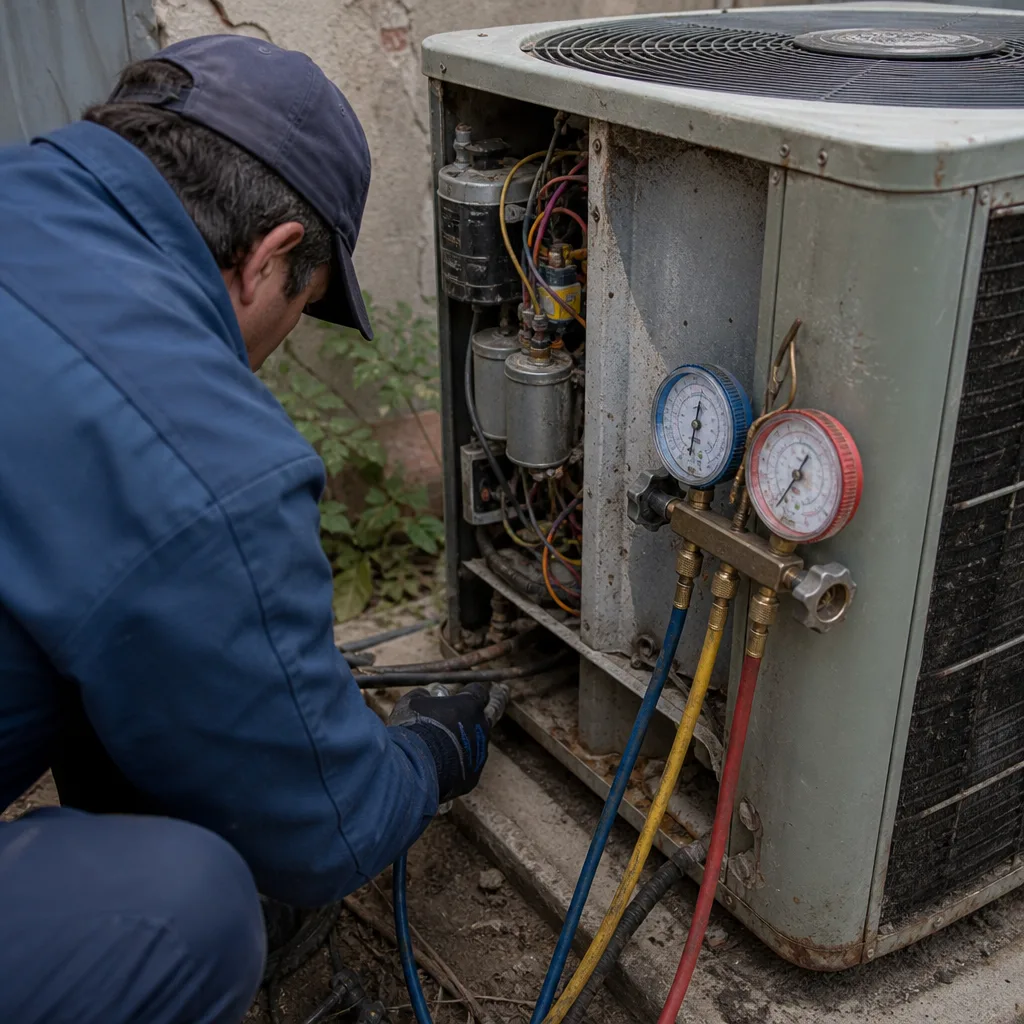 Before
 After
After Before
 After
After Before
 After
After