
Last updated October 16, 2026
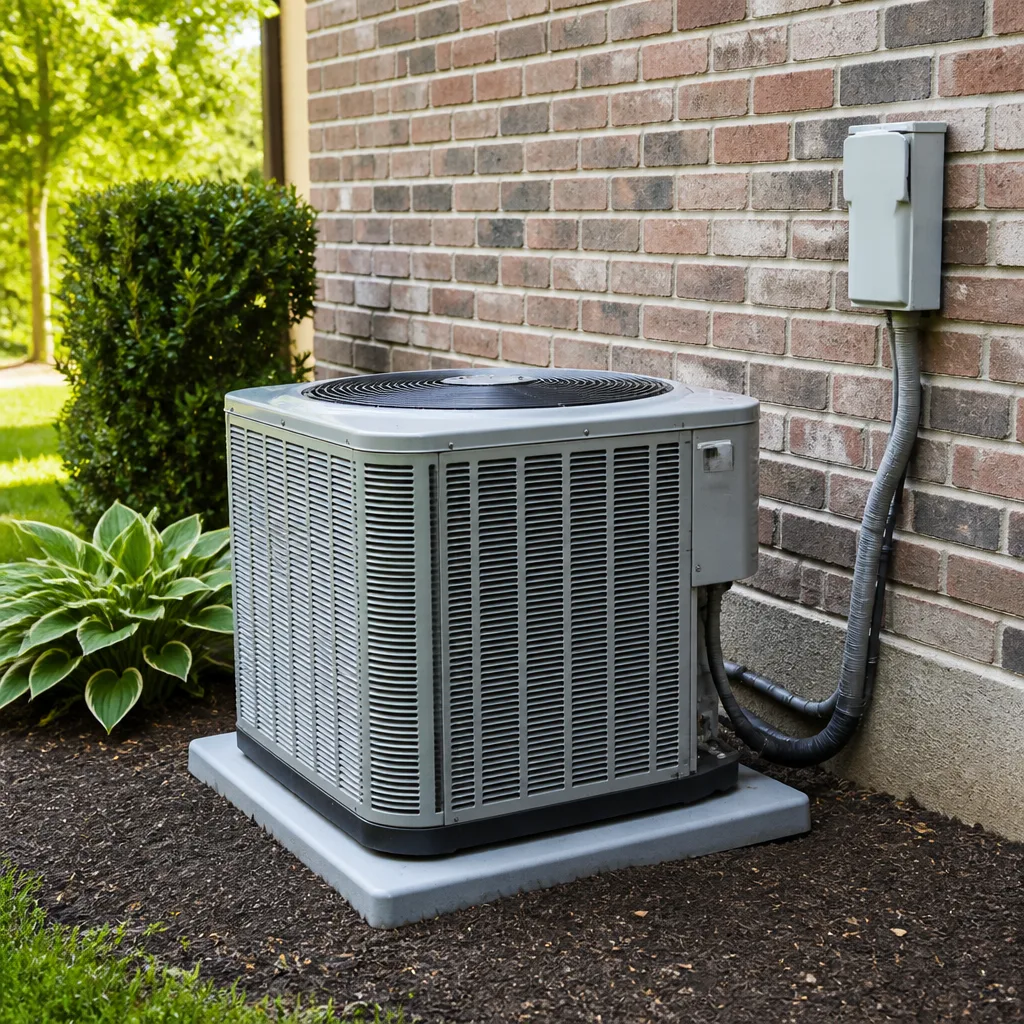 AC repair
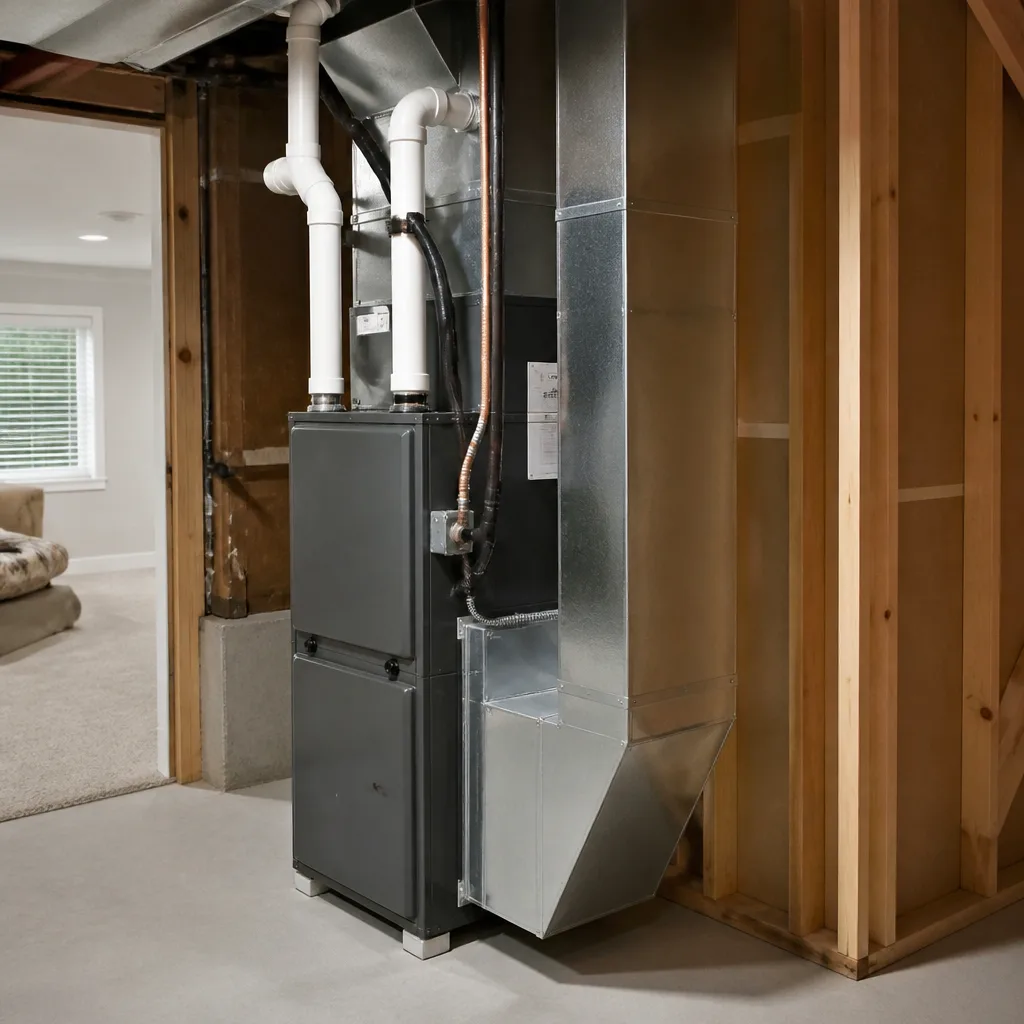 Furnace & heating
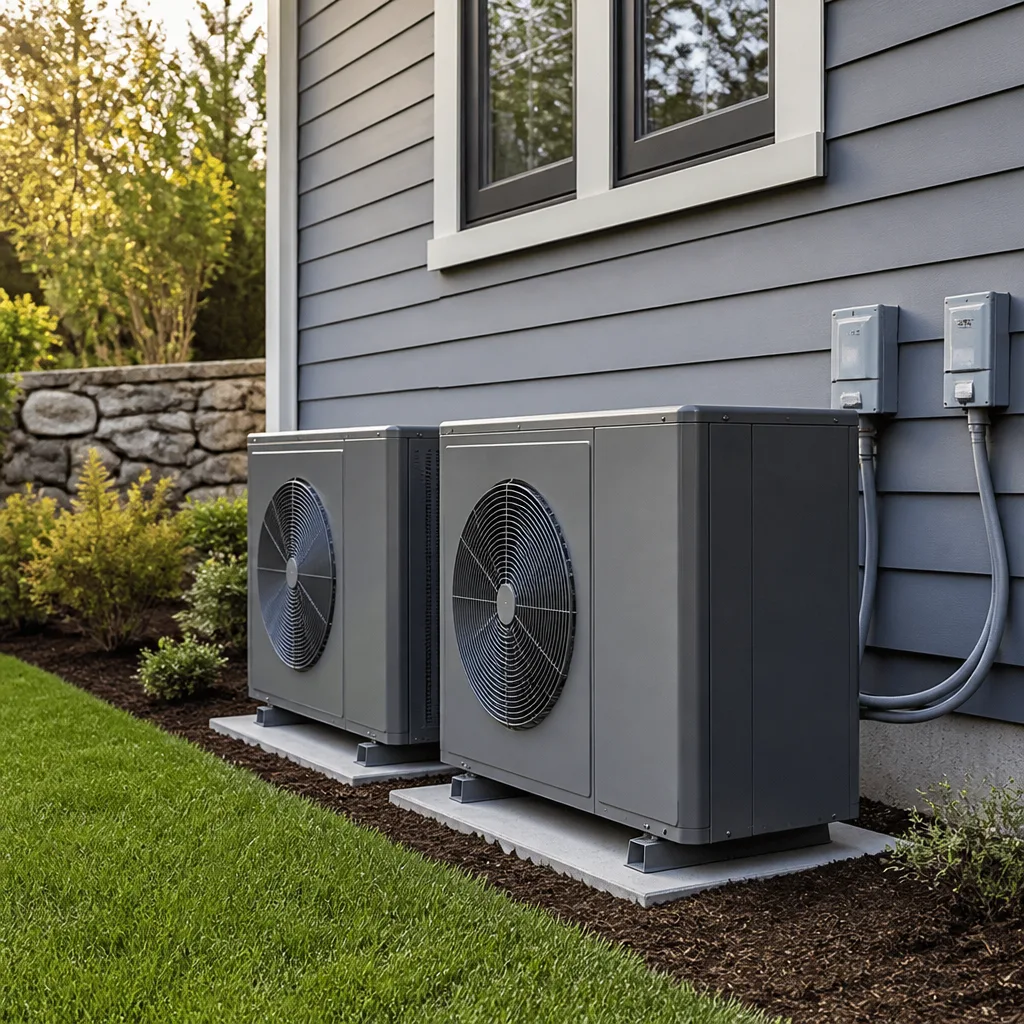 Heat pumps
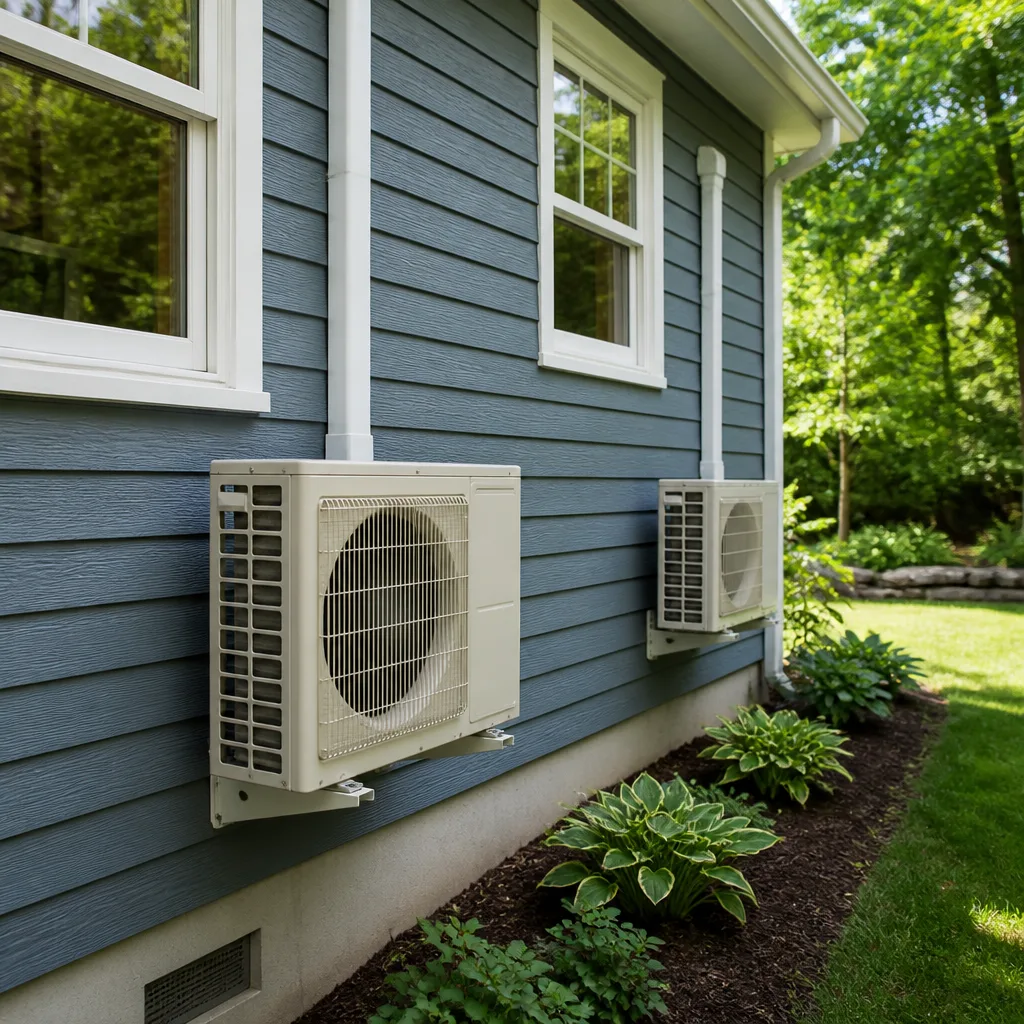 Ductless mini splits
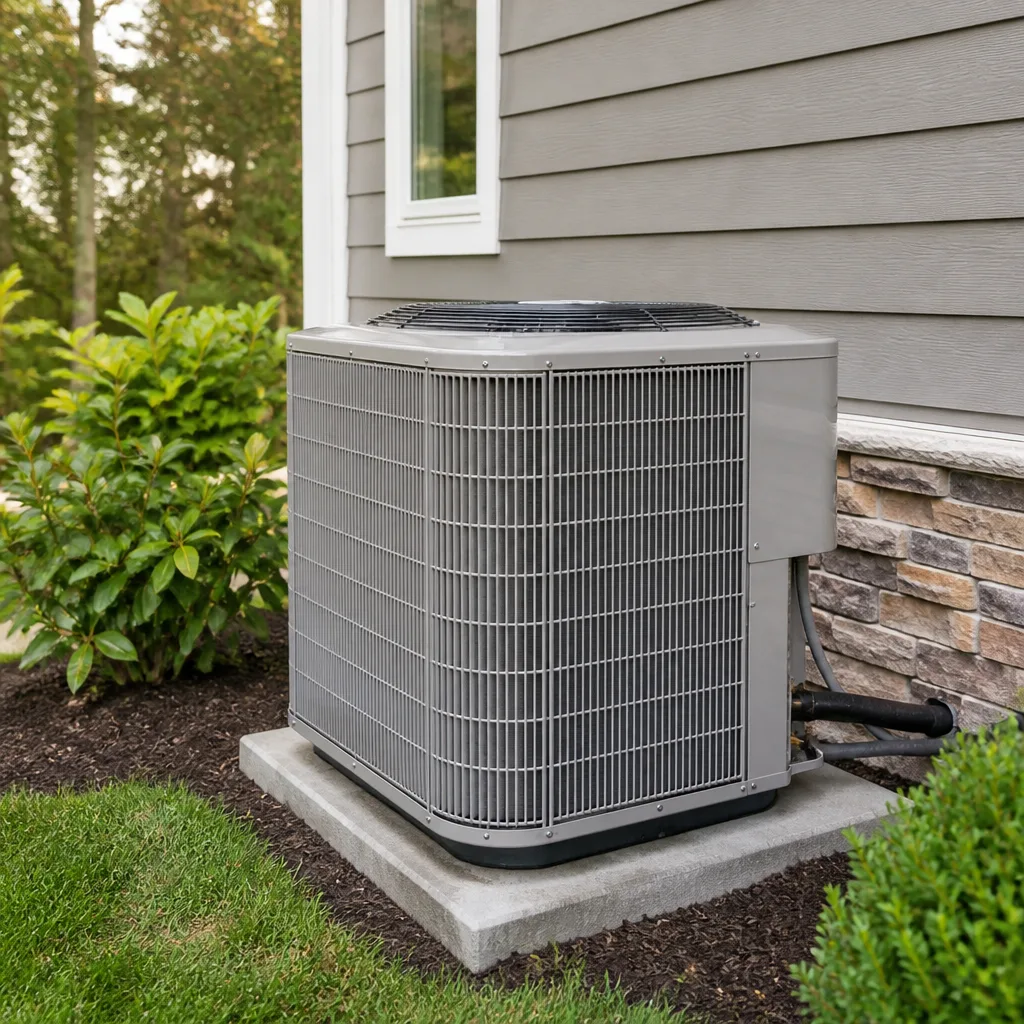 Carrier
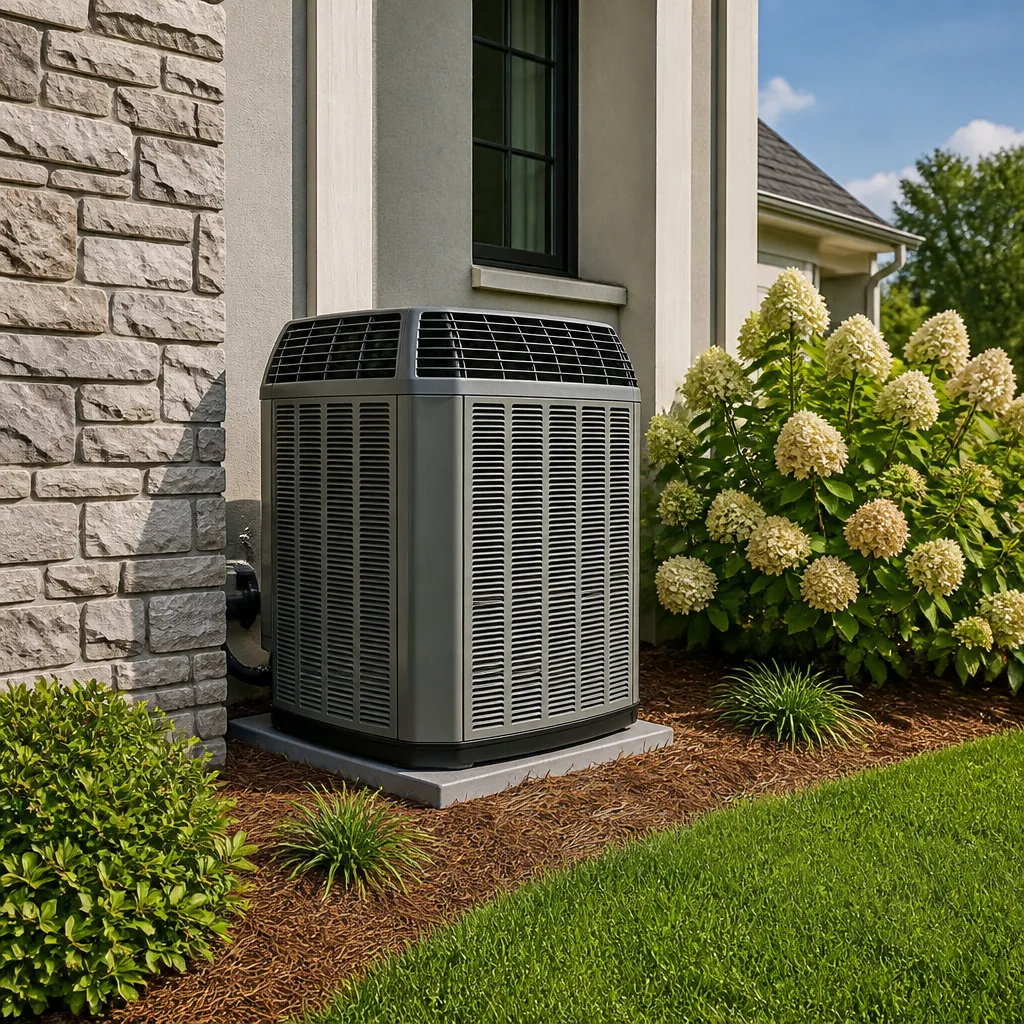 Trane
Trane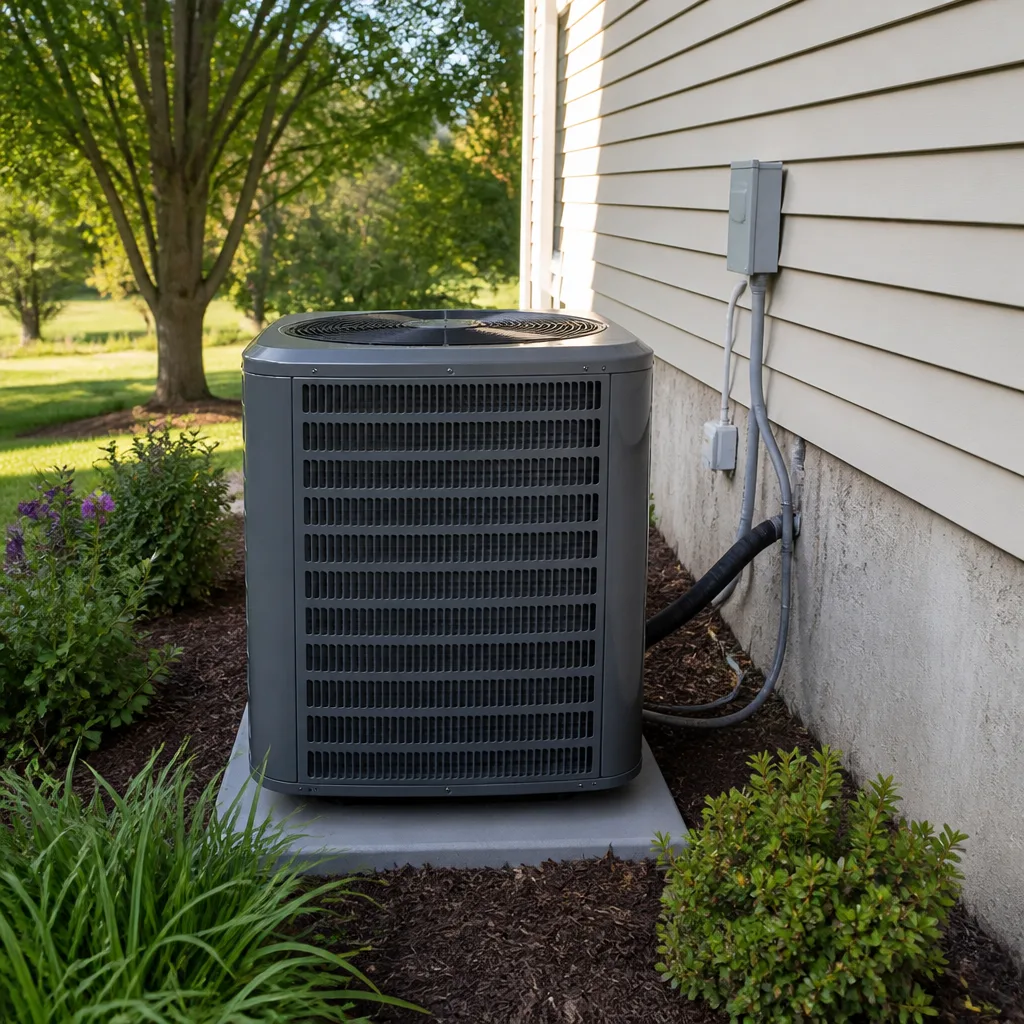 Goodman
Seasonal tune-up and full diagnostic on your Carrier, Trane, or Goodman system - readings shown to you before any repair is proposed
Diagnosis first, numbers second - you approve the repair price before a single part goes in.
Get your free estimateSeasonal HVAC Care for Los Angeles: Year-Round Homeowner’s Guide
January in Los Angeles can still push 80 degrees in the San Fernando Valley. March can bring three weeks of dense marine layer that never burns off until afternoon. Neither fits a seasonal maintenance guide written for Chicago, and using one anyway is how small problems turn into $4,000 repair calls. This guide replaces the generic four-season framework with something that actually matches how LA weather behaves, drawing on our Complete Guide to HVAC in Los Angeles. You’ll learn what to do during the marine layer months, the heat wave window, the Santa Ana season, and that brief mild stretch when deeper maintenance makes the most sense.
Quick Answer
Seasonal HVAC care in Los Angeles means working around four real climate phases, not calendar seasons: marine layer months (May – July) when coil mold risk peaks, the heat wave window (July – October) when systems run hardest, Santa Ana season (October – January) when dust and dry wind stress outdoor units, and the mild period (February – April) when deeper maintenance is cheapest and fastest to schedule. A homeowner who follows this rhythm typically spends less on repairs than someone following a national quarterly checklist.
Styles & brands we work with
Table of Contents
- Marine Layer Months: Why May Gloom Is Hard on Your AC Coils
- Santa Ana Season: The Outdoor Unit’s Toughest Stretch
- The Pre-Heat-Wave Prep Checklist: Before the First 95-Degree Day
- The Mild Window (February – April): The Cheapest Time for Deeper Work
- Matching Service Contracts to LA’s Actual Climate Rhythm
- What You Can Do Yourself Each Month: A Minimalist Checklist
- Signs Your HVAC System Is Heading Toward a Breakdown
- What Seasonal HVAC Care Actually Costs in Los Angeles
Marine Layer Months: Why May Gloom Is Hard on Your AC Coils
From roughly May through July, coastal and central Los Angeles sit under a dense marine layer that can hang around from morning until early afternoon. The air stays humid, temperatures stay mild, and many homeowners never turn on their air conditioning for weeks at a time. That combination of moisture and stillness is exactly what encourages microbial growth on evaporator coils. In our experience, we see more coil cleaning calls in June and July than in August, when the system is actually running hard. Running the AC isn’t just about comfort, it dries the coil surface and the inside of the ductwork. When the system sits idle in damp air, organic material settles on the wet coil and starts to grow.
What the marine layer actually changes for your system:
- Coil moisture: High coastal humidity + no cooling cycle = a coil that stays damp for weeks. Mold and mildew can establish in that window.
- Dust accumulation: The marine layer traps particulates lower in the atmosphere. Air filters load up faster in May and June than they do in September.
- Electrical contacts: Repeated damp-then-dry cycles can accelerate corrosion on exposed electrical connections inside the outdoor unit, especially in neighborhoods within five miles of the coast like Santa Monica, Playa del Rey, and San Pedro.
The practical fix is simple and doesn’t require a technician. During marine layer months, run your AC in fan-only mode for 20 to 30 minutes each day. This moves air across the coil, dries the surface, and keeps air circulating through the returns. If you notice a musty smell when the system first kicks on, that’s often the first sign that something is growing on the coil, and it’s worth having a technician take a look before the heat wave arrives.
Santa Ana Season: The Outdoor Unit’s Toughest Stretch
Santa Ana winds typically blow from October through January in Los Angeles. They bring hot, dry air from the interior deserts, often gusting to 40 or 50 miles per hour in foothill communities like Altadena, La Cañada Flintridge, and the northern San Fernando Valley. For an HVAC system, Santa Ana season is not a cooling burden, it’s a dust event. Dry wind picks up fine particulates, pine needles, construction debris, and ash, and deposits them directly into your outdoor condensing unit. The coil fins are designed to shed heat, and when they’re coated in a layer of fine dust, the compressor runs hotter and works harder to reject the same amount of heat.
Steps to check your outdoor unit during Santa Ana season:
- Turn off the breaker to the outdoor unit. You never want to reach into a condenser while it has power. If you’re not comfortable doing this, skip to step three and call a technician.
- Remove visible debris from the top and sides. Leaves and pine needles are obvious. Pull them out by hand. Do not use a hose, and do not spray water into the unit while the sides are on.
- Check the clearance zone. There should be at least 24 inches of open space on all sides of the unit. Fallen branches, stacked patio furniture, or overgrown hedges all restrict airflow.
- Look at the coil fins. If they look matted, compressed, or coated in a layer of fine grit, that’s a sign the unit needs a professional coil cleaning before summer.
Santa Ana season is also when duct integrity matters most. The dry winds pull moisture out of everything, including the mastic sealant on older duct joints. In homes built before 1990, we regularly find that a Santa Ana season exposes small duct leaks that quietly dumped conditioned air into the attic all summer. If you notice more dust in the house than usual during Santa Ana events, or if certain rooms feel stuffier than others, a duct check is a reasonable next step.
The Pre-Heat-Wave Prep Checklist: Before the First 95-Degree Day
Los Angeles heat waves have shifted in recent years. The first sustained 95-degree stretch can arrive as early as late May and as late as mid-July, and it tends to hit the San Fernando Valley, Burbank, Glendale, and Pasadena hardest. What matters for your HVAC system is not the first hot day, it’s the first hot week. A system that handles one afternoon of heat may fail entirely when asked to run continuously for five or six days. And when that happens, every HVAC company in Los Angeles is suddenly booked solid. The first heat wave of the year is consistently our busiest week for emergency AC repair in Los Angeles.
The pre-heat-wave checklist is the single most valuable hour a homeowner can spend on their HVAC system. Here’s what to do:
- Replace the air filter. Install a clean filter, even if the old one doesn’t look bad. A dirty filter is the leading cause of frozen coils during the first heat wave of the year. If you have a 1-inch filter, change it every 30 to 60 days during summer. If you have a 4-inch or 5-inch media filter, every 6 to 12 months is typical.
- Test the system before you need it. On a moderately warm day, set the thermostat 5 degrees below room temperature and confirm that the system runs for at least 20 minutes and reaches the set point. This catches problems before the 105-degree day makes them urgent.
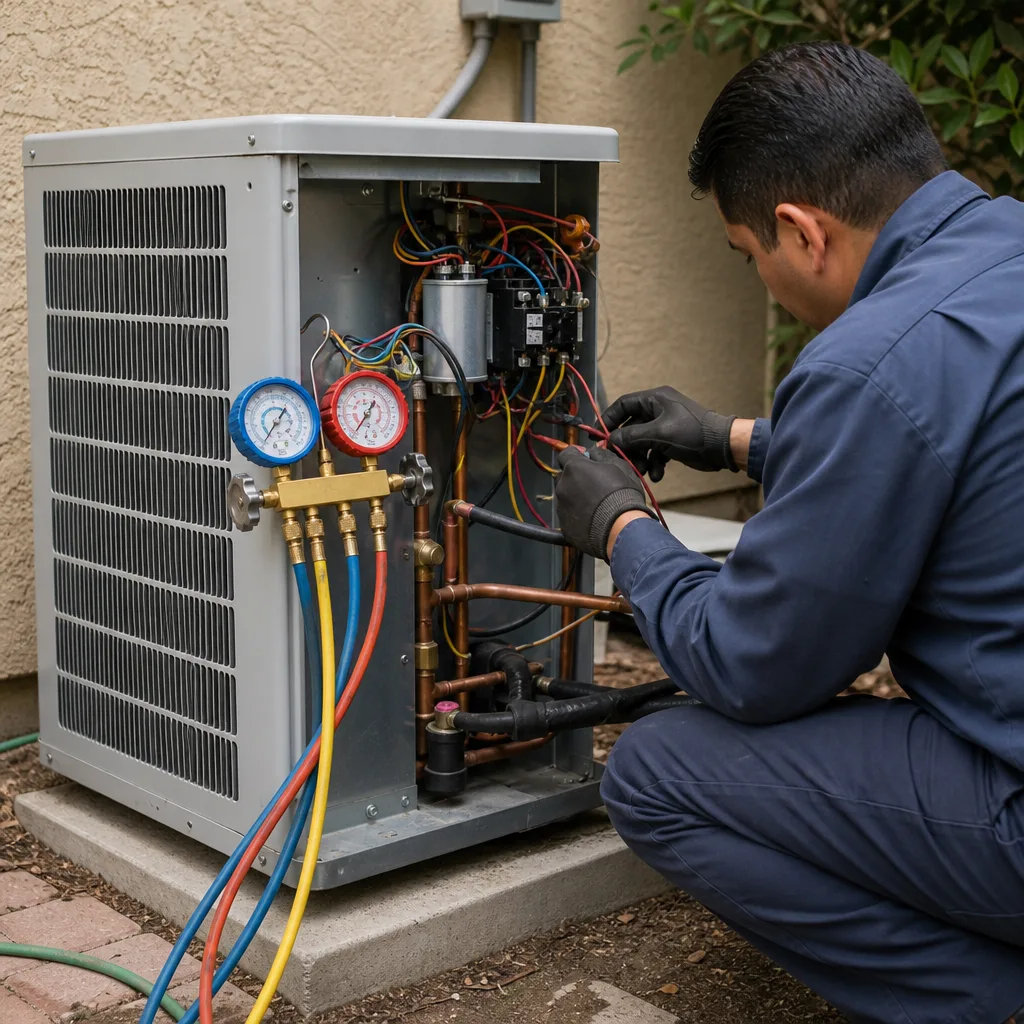
- Listen to the outdoor unit. A healthy condenser makes a steady hum. A clicking, grinding, or rattling sound when the unit starts is often an early sign of a failing capacitor or contactor. Those are cheap parts and fast repairs if addressed before they fail entirely.
- Check all supply registers. Walk through the house and confirm that each vent is blowing air. A room that’s suddenly warming up faster than the rest of the house can indicate a damper issue or a duct obstruction.
- Clear the area around the outdoor unit. Trim back vegetation, remove stored items, and make sure there’s clear airflow. During heat waves, condenser clearance issues become emergency calls.
If the system passes all five checks, you’re in good shape for the season. If anything fails, call before the heat wave hits. Technicians can usually resolve a failing capacitor or a low refrigerant charge (topping off the cooling fluid your AC needs to run) much faster when they’re not running from emergency call to emergency call.
The Mild Window (February – April): The Cheapest Time for Deeper Work
Every Los Angeles homeowner knows the stretch we mean. It usually runs from mid-February through early April. The days are warm, the nights are cool, nobody’s running heat, and nobody’s running AC. It is the one genuinely mild window the city gets, and it is the single best time for deeper HVAC maintenance. Here’s why: demand drops. In February and March, HVAC companies in Los Angeles aren’t swamped with emergency calls. You can schedule a full system inspection, a coil cleaning, a duct check, or even a full AC installation in Los Angeles with more scheduling flexibility than at any other point in the year. Some companies also run off-season specials on maintenance and installation work.
What fits best in the mild window:
- Full system tune-up: A complete inspection of the condenser, evaporator, blower motor, electrical connections, refrigerant levels, and thermostat calibration. This is the foundation of seasonal care.
- Coil cleaning: Evaporator and condenser coil cleaning is slower, more thorough, and easier to schedule in February and March than in July. A clean coil can improve cooling efficiency by 10 to 20 percent.
- Duct inspection: If you suspect duct leaks or air balance issues, the mild months are when a technician can spend time measuring static pressure and airflow without the pressure of a heat wave.
- System replacement planning: If your system is 15 years old or more and you know a replacement is coming, starting the process in March means you’ll have a working new system installed before the first heat wave. Waiting until July means you’re making a rushed decision while sweating through a heat wave in a hot house.
One thing we recommend to every Los Angeles homeowner: if you’re going to replace your system, get a written fixed price and a set install date. That’s how Cold Harbour Heating and Air Los Angeles home approaches every installation. A company that can’t give you a written price before the work starts is a company you shouldn’t trust with the job.
Matching Service Contracts to LA’s Actual Climate Rhythm
The standard national maintenance contract assumes four seasons: a spring AC tune-up, a fall furnace tune-up, and quarterly filter changes, as we explore in our DIY vs Professional HVAC guide. That structure works fine in Chicago or Boston. In Los Angeles, it’s misaligned. The real rhythm for LA is two cooling-focused tune-ups per year, with the second one placed where it actually matters.
Here’s the Los Angeles service contract rhythm we recommend instead:
- First tune-up: February – April (the mild window). This is the deep, deliberate appointment. Full system inspection, coil cleaning, refrigerant check, electrical inspection, and airflow testing. There’s no time pressure, and any recommended work can be scheduled comfortably.
- Second tune-up: May – June (marine layer, before the heat wave window opens). This is the pre-heat-wave check. It catches any issues that developed over the spring and confirms the system is ready for the first sustained heat. This is also the window for coil mold checks after the marine layer has had a few weeks to work.
- Filter checks: every 30 – 45 days during cooling season, every 60 – 90 days otherwise. For homes with pets, kids, or construction nearby, lean toward the shorter interval.
- Annual furnace check: November – December. Most Los Angeles furnaces are gas-fired and run only from November through February. That’s a short season. A quick burner and heat exchanger check before the first cold snap is usually all that’s needed. If you need furnace repair in Los Angeles, the same mild-window logic applies: schedule it before the cold weather, not during it.
This rhythm does more than keep the system running. It reduces the odds of a mid-August emergency call, which is the most expensive kind of HVAC work there is. Emergency repairs during a heat wave cost more, take longer to schedule, and feel worse for everyone involved. A homeowner who follows LA’s actual climate rhythm is basically buying insurance against that experience.
What You Can Do Yourself Each Month: A Minimalist Checklist
You don’t need to be a technician to handle monthly HVAC upkeep in Los Angeles. Most of the meaningful tasks take less than ten minutes and require no tools. The point is consistency, not intensity. Here’s the monthly rhythm we suggest:
- Check the air filter. Hold it up to a light. If you can’t see light through it, replace it. This is the single highest-leverage maintenance task in the world of HVAC.
- Walk past the outdoor unit. Look for new debris, vegetation growth, or signs of damage. A quick visual check catches a cracked fan blade or a dented coil before it becomes a mechanical failure.
- Feel the air at one or two supply registers. Is the airflow steady? Is it noticeably weaker in one room? Changes in airflow are often the first sign of a duct problem or a failing blower motor.
- Check the thermostat. Do the settings hold? Does the system respond when you change the temperature? Thermostat drift can cause a system to run too long or not long enough.
- Listen for new sounds. A hum that wasn’t there before, a rattle on startup, a click that repeats over and over. These are early warnings.
- Check the condensate drain line (cooling season). Look for standing water or algae growth around the drain. A clogged drain line can cause water damage if left untreated.
That’s it. Ten minutes a month. The goal isn’t to become a technician. The goal is to notice when something changes so you can address it before it becomes a $4,000 problem. And for anything you don’t feel comfortable checking, a tune-up from a company that writes the price down before the work starts is a better investment than a summer of guessing.
Signs Your HVAC System Is Heading Toward a Breakdown
In Los Angeles, HVAC systems fail most often during the first sustained heat wave of the year. That’s not a coincidence. A system that’s been idling for months gets asked to run at full capacity for days, and the weak points give out. Here are the specific signs that a breakdown is coming, not just that the system is old:
- The system runs but the house doesn’t cool down. If the AC runs for hours and the indoor temperature doesn’t drop, the compressor may be running but not cooling. This can mean low refrigerant, a failing compressor, or a severe airflow restriction.
- Short cycling. The system turns on, runs for two or three minutes, shuts off, and then starts again. That’s often a failing thermostat sensor, an oversized system, or a refrigerant problem. Short cycling is hard on the compressor and will shorten its life.
- A sudden spike in the electric bill. If your August bill jumps 30 percent or more with no corresponding change in usage, the system may be running inefficiently. A failing component is working harder than it should.
- Ice on the outdoor line or on the indoor coil. Ice is always a sign of a problem: low refrigerant, airflow restriction, or a blower issue. It is never normal.
- Burning smell when the heat first turns on. A brief dusty smell is normal at the start of heating season. A persistent electrical or gas smell is not. Call for furnace repair in Los Angeles immediately.
- Water around the indoor unit. This can be a condensate drain issue, a frozen coil that’s now thawing, or a refrigerant leak. All three need professional attention.
If you notice any of these signs, the right time to call is before the next heat wave, not during it. During a heat wave, every HVAC company in Los Angeles is running emergency calls, and even good companies are stretched thin. Address the problem early and you’ll get a faster appointment, a lower price, and a working system when you need it most.
What Seasonal HVAC Care Actually Costs in Los Angeles
Understanding the real cost of HVAC work in Los Angeles helps you budget for it instead of being surprised by it. Here’s what we typically see in the Los Angeles market for the most common seasonal HVAC services. These are ballpark ranges, not quotes. Every home is different, and your actual price should be written down before any work begins.
- Seasonal tune-up (cooling or heating): $89 – $180 depending on the scope of the inspection and whether the coil cleaning is included
- Evaporator or condenser coil cleaning: $150 – $300 for a thorough cleaning that includes removing the unit panels and using the proper cleaning agents
- Refrigerant recharge: $180 – $450 for the service call and the refrigerant itself, depending on how much is needed and which refrigerant your system uses. A recharge is not a repair. If your system needs refrigerant, it has a leak, and the leak should be found and fixed.
- Capacitor replacement: $120 – $250 parts and labor. This is one of the most common repairs during the first heat wave.
- Contactor replacement: $130 – $260 parts and labor. Like the capacitor, it’s a small part that fails often when the system runs hard.
- Condensate drain line cleaning: $90 – $180. A simple job, but water damage from a clogged line can cost thousands if ignored.
- Full system replacement (AC and furnace): $7,000 – $15,000 depending on system efficiency, brand, ductwork condition, and home size. Most replacements include new Lennox, Goodman, Rheem, or York equipment depending on what the homeowner needs.
These are the numbers to hold in your head when you’re budgeting for seasonal care. The key principle is that regular maintenance costs far less than emergency repair. A $150 tune-up in March can catch a failing capacitor that would have become a $250 emergency repair in August. A coil cleaning in April prevents a $400 mold remediation and coil pull in July. The math favors the homeowner who stays ahead of the weather.
Common Mistakes to Avoid
- Skipping the March tune-up because “the AC worked fine last summer.” That’s exactly how heat wave failures happen. The system sat idle for months. The capacitor corroded. The coil got dirty. The first hot week exposes all of it.
- Following a national seasonal checklist. A fall tune-up in October makes sense in Minnesota. In Los Angeles, October is Santa Ana season, and the work you need is dust and debris removal from the condenser, not a pre-winter furnace check.
- Changing the filter only once a year. In Los Angeles, with the dust that Santa Ana winds carry, a 1-inch filter can load up in as little as 30 days. We’ve pulled filters out of homes that looked like carpet samples.
- Ignoring musty smells during marine layer season. A musty smell when the AC first kicks on is almost always coil mold. The longer you ignore it, the more it spreads through the ductwork.
- Assuming a new system needs no maintenance. New systems have new parts, but they also have new electrical connections that can loosen during the first year. A new system still benefits from an annual inspection.
- Planting dense landscaping too close to the outdoor unit. It looks nice, but it blocks airflow that the condenser needs to reject heat. Overgrown vegetation is a top cause of compressor overheating in Los Angeles.
- Waiting until a heat wave to call for service. Everyone does this. You don’t want to be everyone. You want to be the person whose AC works all summer because you did the work in March.
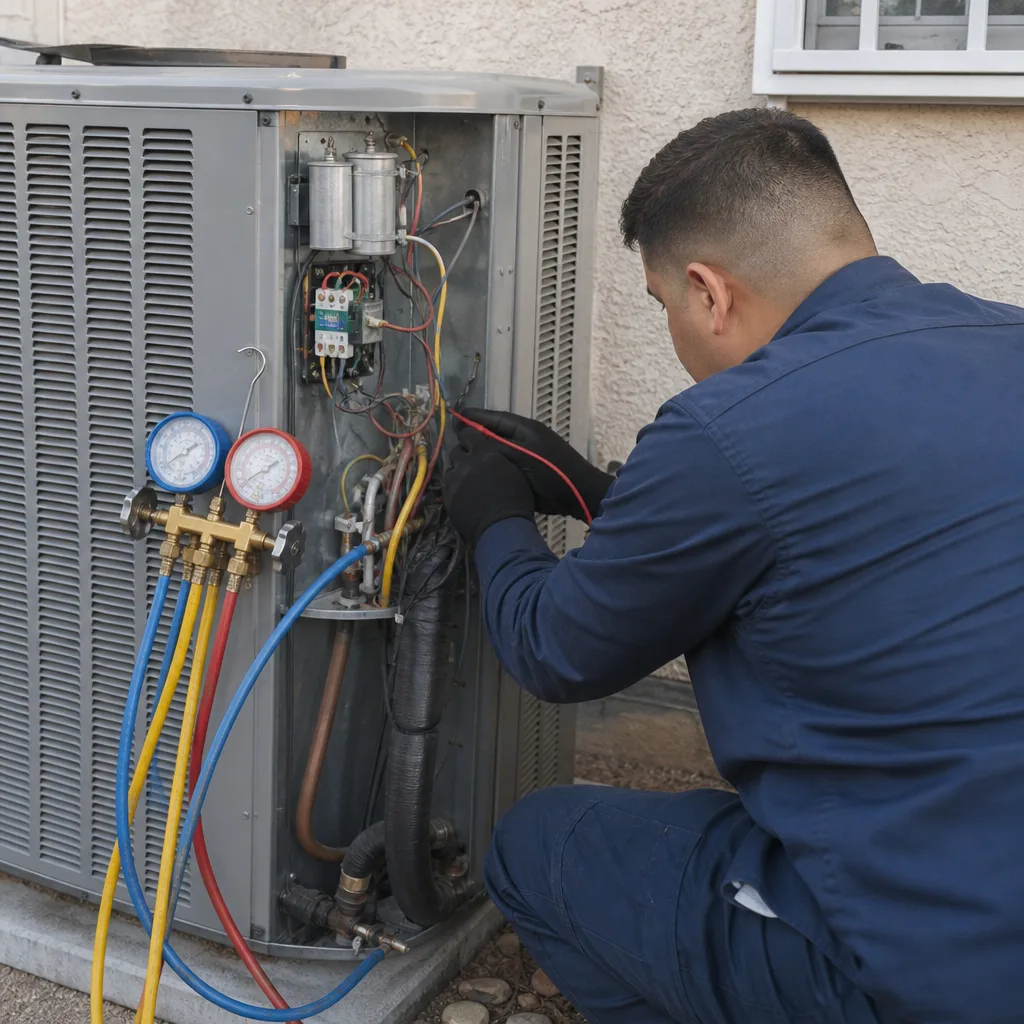
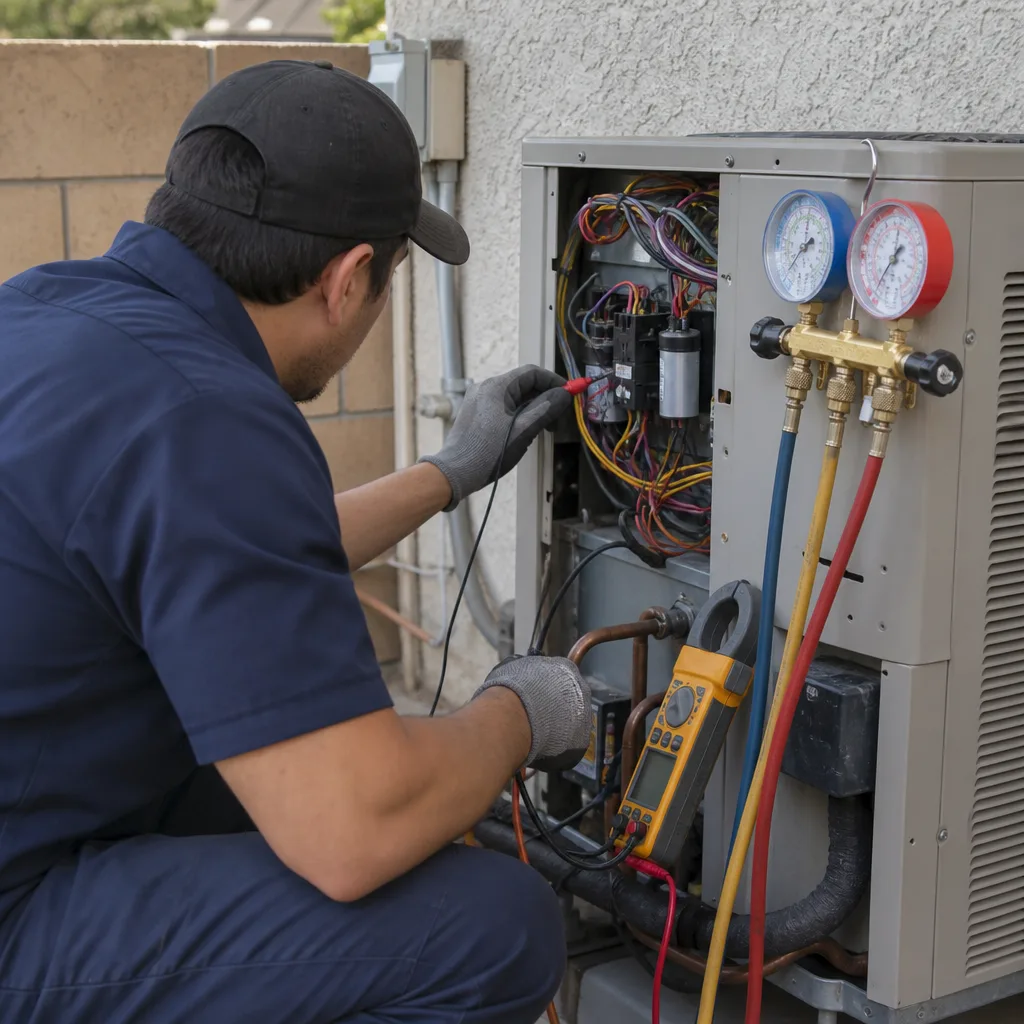
See the difference
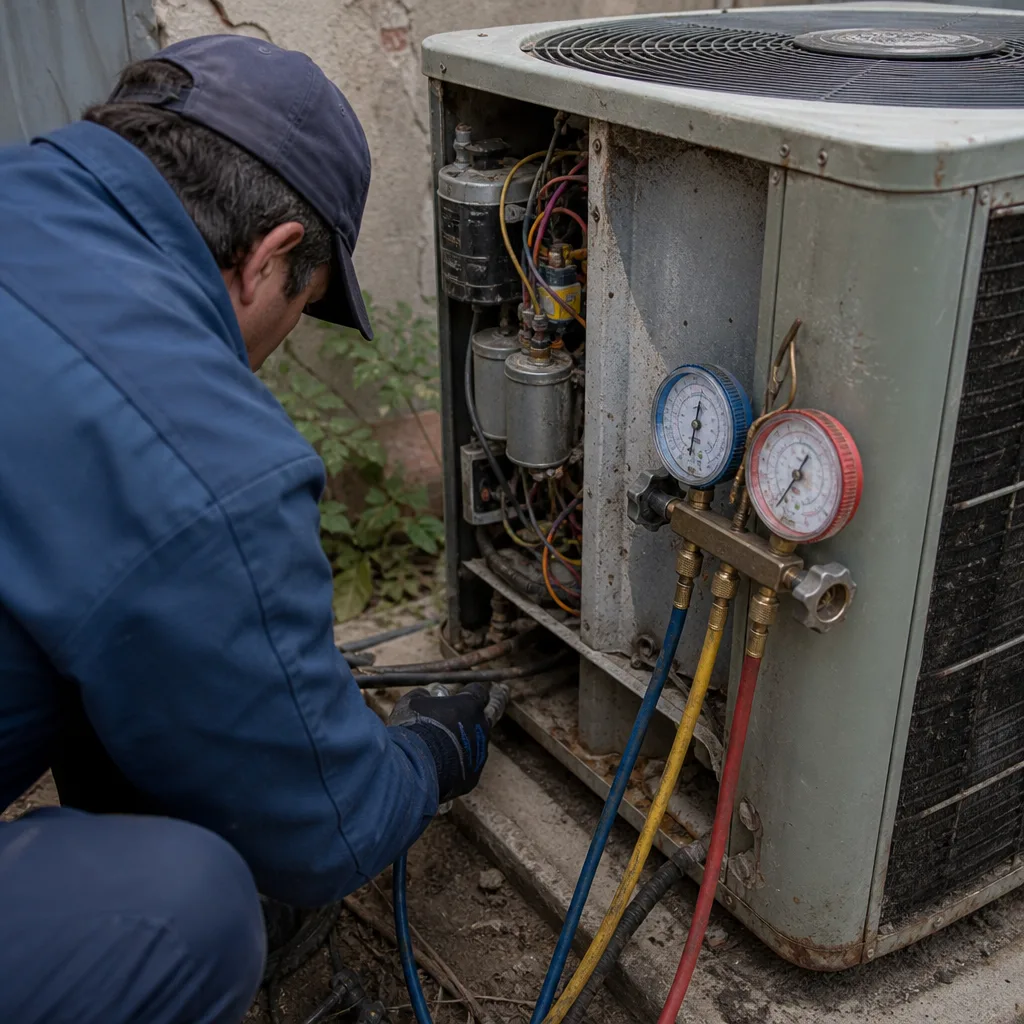 Before
 After
After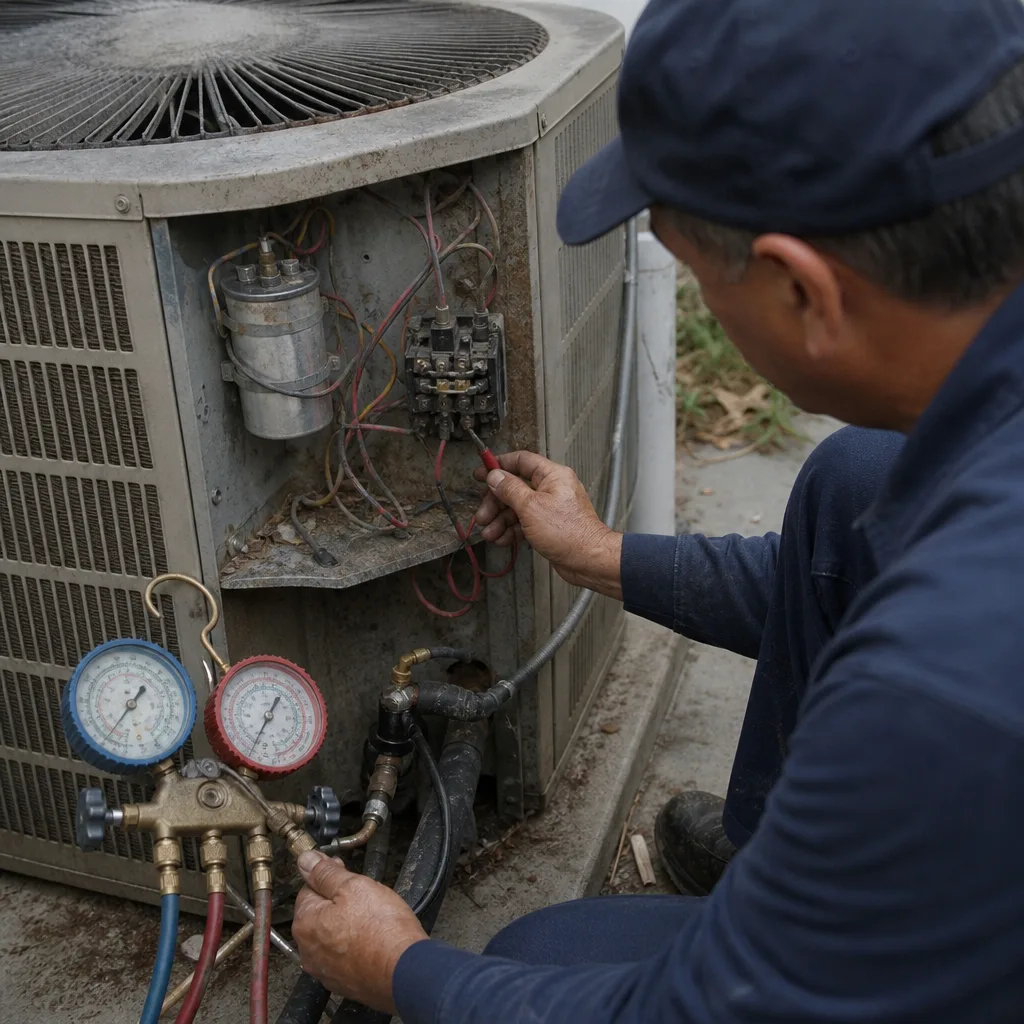 Before
 After
After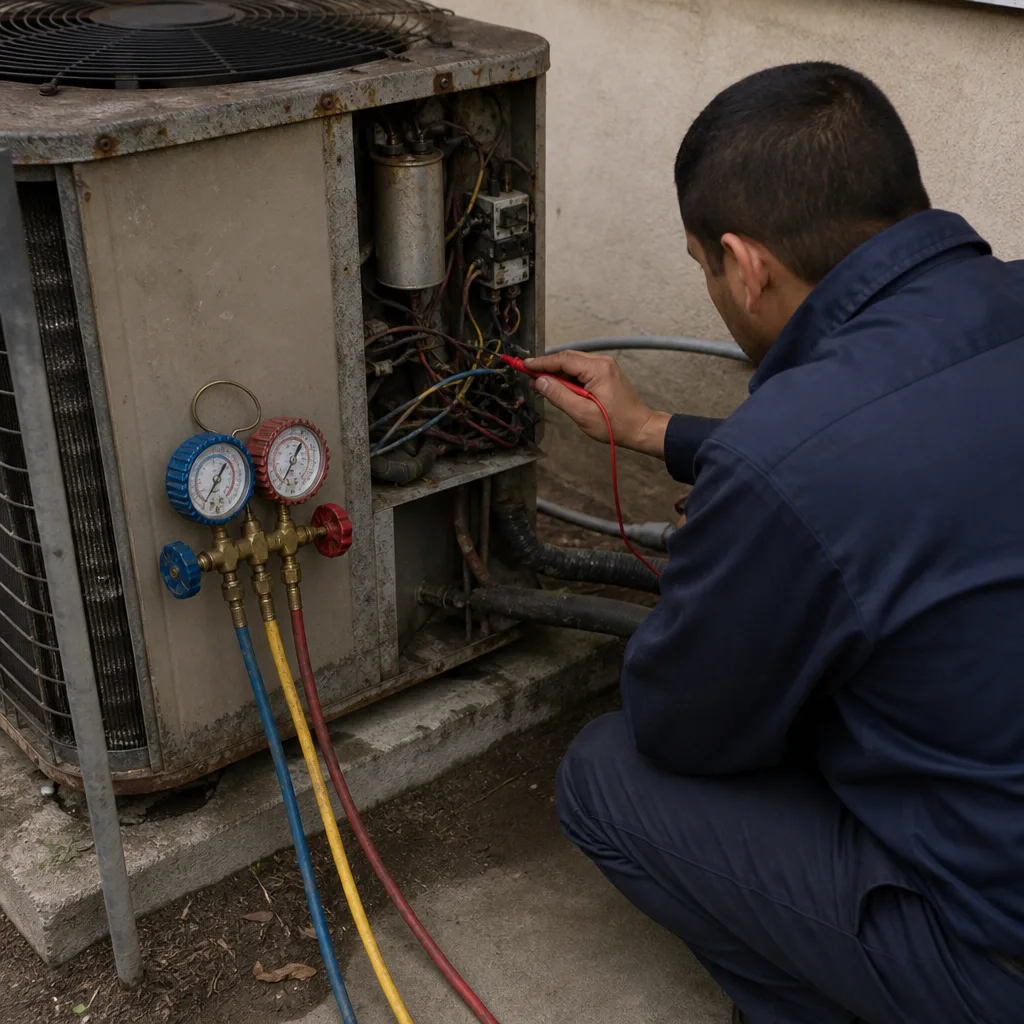 Before
 After
AfterWhen to Call a Professional
Some HVAC tasks are worth doing yourself: filter changes, visual inspections, clearing debris, keeping the area around the condenser clear. Others are not. If you notice a burning smell, ice on the lines, a system that runs but doesn’t cool, or any of the breakdown signs above, call a professional. Refrigerant work requires EPA certification. Electrical work on HVAC systems involves high-voltage connections that can cause serious injury. Gas furnace work involves combustion safety. These are not DIY jobs. Cold Harbour Heating and Air Los Angeles offers free estimates throughout Los Angeles, and every job includes a written price before any work begins. Call (213) 531-5904 to schedule an inspection or get a second opinion on a repair. Our technicians are trained on nine major residential brands including Carrier, Trane, Lennox, Goodman, Rheem, York, Daikin, Bryant, and American Standard, so whoever shows up at your door can work on whatever system is already in your home.
Frequently Asked Questions
Twice a year. Schedule the first service in the February – April mild window for a deep, unhurried inspection, and the second in May or June as a pre-heat-wave check before the first sustained hot stretch. This rhythm aligns with how Los Angeles weather actually behaves, not with a generic national quarterly template.
A musty smell when the AC first turns on is usually microbial growth on the evaporator coil, which developed during the marine layer months when coastal humidity sat on a coil that wasn’t running. Running the fan-only mode for 20 – 30 minutes daily during May through July helps dry the coil surface and prevents this. If the smell persists, a professional coil cleaning is needed.
Yes. New systems need annual inspections too. Electrical connections can loosen during the first year of operation, and a loose connection generates heat that shortens the life of the parts around it. A new system also builds up dust and debris in the outdoor unit just as fast as an old one does. Most manufacturer warranties require evidence of regular maintenance to remain valid.
February through April. That’s the mild window when demand is lowest, scheduling is easiest, and you’ll have a new system installed before the first heat wave. Replacing a system in July or August means competing with emergency repair calls and often paying more for the same equipment. A written fixed price and a set install date should both be part of any replacement quote.
Before Santa Ana season ramps up in October, clear the area around the outdoor unit of loose debris and check that there’s at least 24 inches of clearance on all sides. After significant Santa Ana wind events, check the unit again for accumulated dust, leaves, or fine particulates. Homes in foothill areas like Altadena and the northern San Fernando Valley tend to collect more wind-blown debris than coastal neighborhoods.
Most seasonal tune-ups in Los Angeles run between $89 and $180, depending on what’s included. Coil cleaning, if needed separately, typically runs $150 to $300. The cost of a tune-up is a fraction of the cost of an emergency repair during a heat wave. Call (213) 531-5904 for a free estimate on maintenance or repair work, and Cold Harbour will give you a written price before any work begins.
The Bottom Line
Seasonal HVAC care in Los Angeles doesn’t fit the national four-season template, and trying to force it is how small problems become expensive ones. The marine layer months demand attention to coil moisture and mold. Santa Ana season demands outdoor unit and duct inspections. The heat wave window is too late for maintenance, but it’s exactly when breakdowns happen. And the mild window from February to April is where the smartest homeowners schedule deep work and system replacements. Stick to this rhythm, do the monthly checks, and call a professional when the signs point to trouble, or explore more guides & resources on keeping your system running. You’ll spend less on repairs, your system will last longer, and you won’t be the person sweating through a heat wave waiting for a technician. For a free estimate on seasonal maintenance or any repair in Los Angeles, call (213) 531-5904. We answer the phone with a live person, every time, any hour.
Written by Victor Mancini, Owner at Cold Harbour Heating and Air Los Angeles, serving Los Angeles since 2003.