
Last updated October 16, 2026
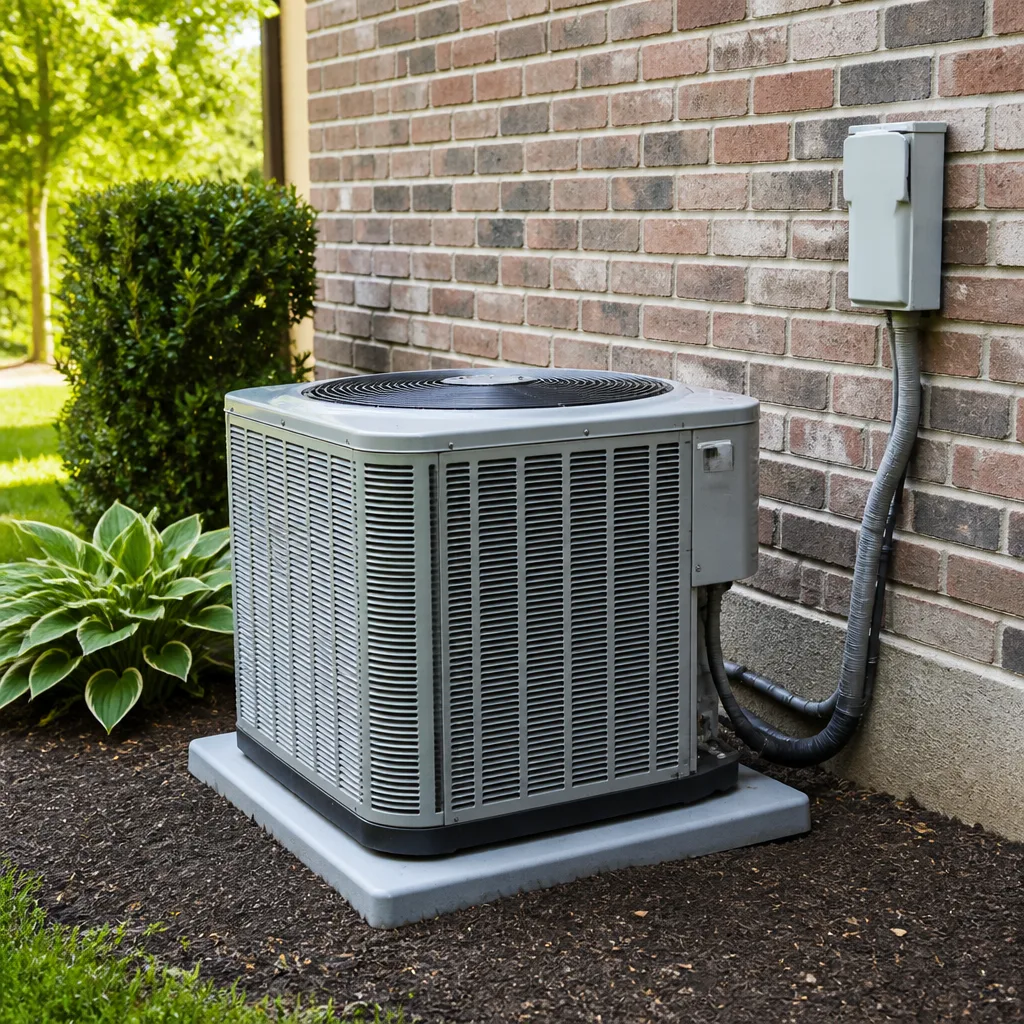 AC repair
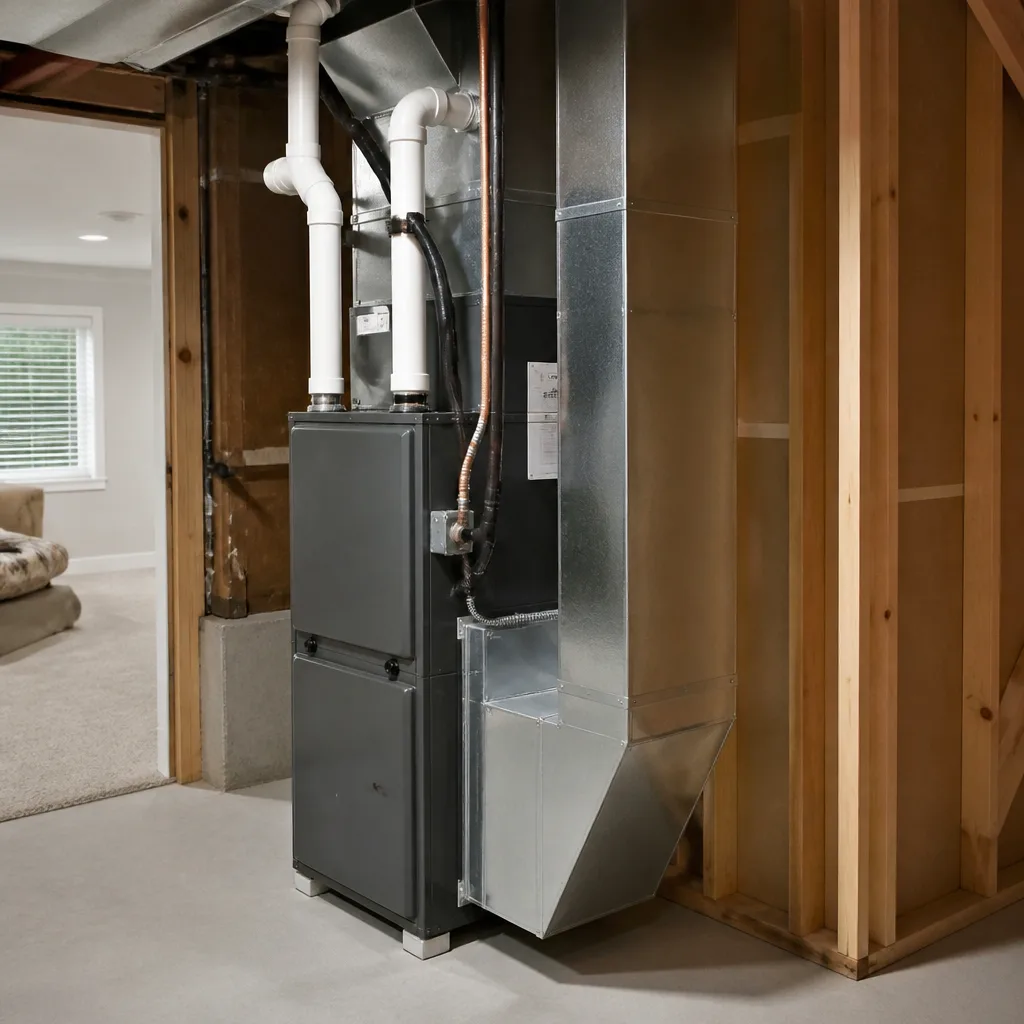 Furnace & heating
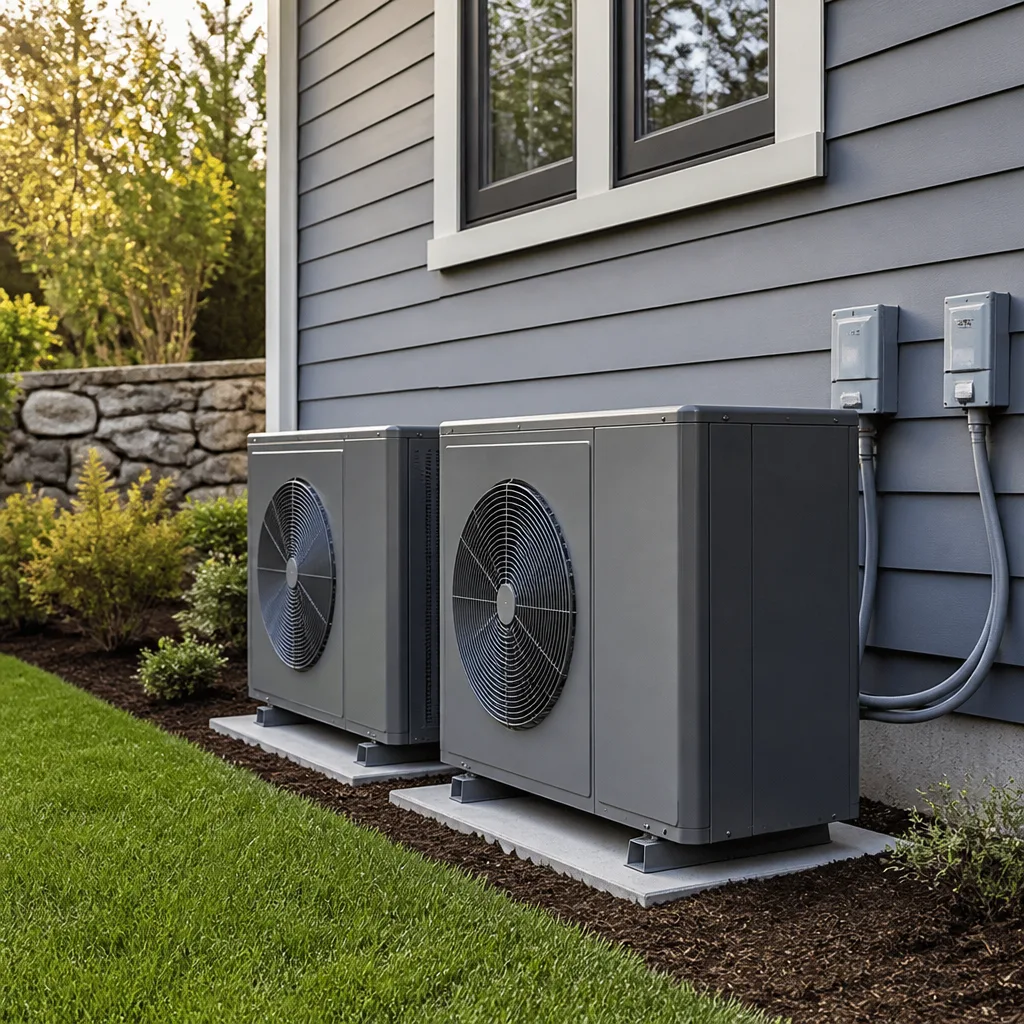 Heat pumps
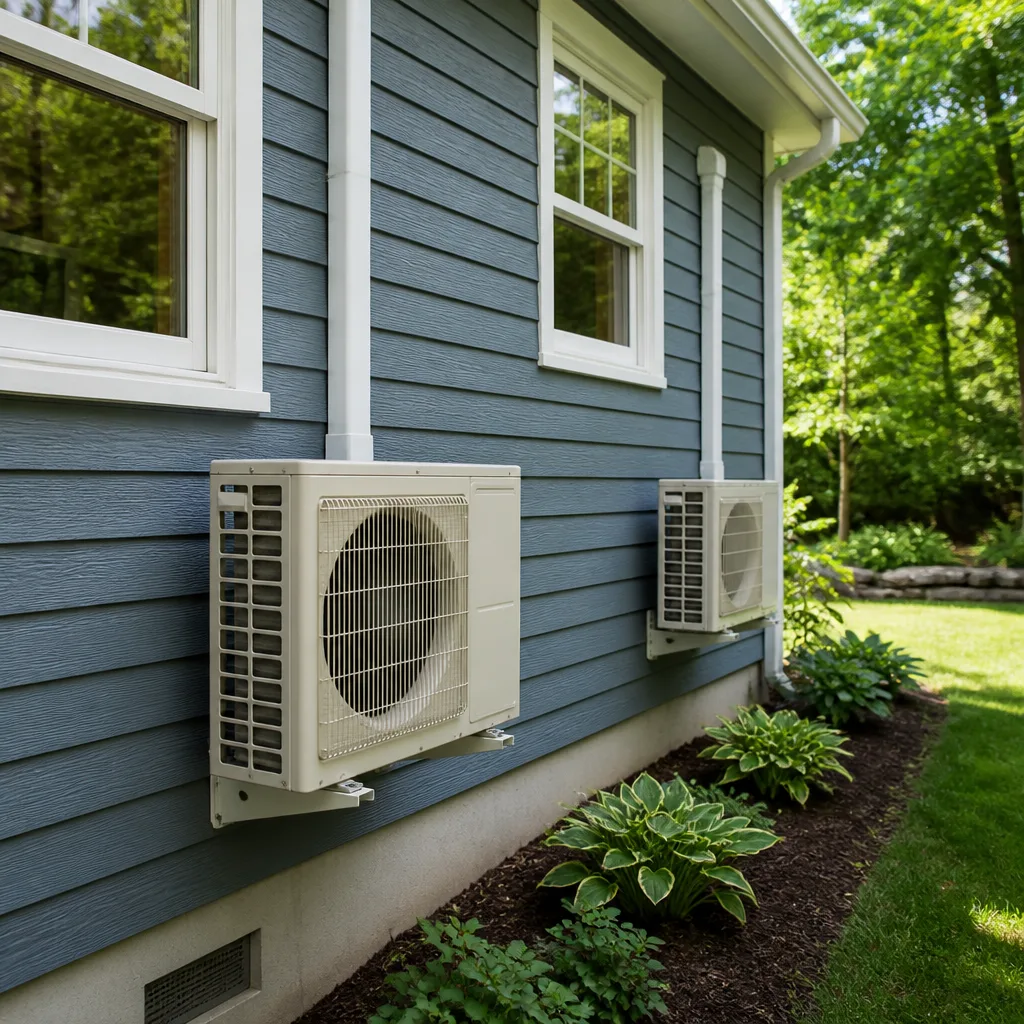 Ductless mini splits
 Carrier
 Trane
Trane Goodman
Seasonal tune-up and full diagnostic on your Carrier, Trane, or Goodman system - readings shown to you before any repair is proposed
Diagnosis first, numbers second - you approve the repair price before a single part goes in.
Get your free estimateHVAC Warning Signs: A Los Angeles Homeowner’s Reference Guide
Here’s something most Los Angeles homeowners don’t realize: the air conditioner cooling your living room in Sherman Oaks runs roughly twice as many hours per year as an identical system in Boston. That’s not marketing spin, it’s physics and weather. A unit in Los Angeles might log 2,000 to 2,400 runtime hours annually, while a Northeast system might see 800 to 1,100. This matters because every hour of runtime is wear on a capacitor, a load on a compressor, and moisture moving through a drain line. Warning signs that read as mild anomalies elsewhere become repetitive, insistent signals in Los Angeles. This guide teaches you to recognize those signals, know which ones allow a few days of monitoring, and know which ones mean shut the system down now. For a broader overview, see our Complete Guide to HVAC in Los Angeles.
Quick Answer
Most HVAC warning signs in Los Angeles share a root cause: the system runs so many hours each year that small failures announce themselves through repeated, subtle patterns rather than a single dramatic breakdown. Watch for these five signals above all others: short-cycling (the system turning on and off more often than normal), warm air from the vents when the thermostat calls for cooling, a utility bill that climbs faster than the weather explains, any sound you haven’t heard before, and water or staining anywhere near the indoor unit. Log symptoms over a week. If a pattern holds, call a professional before a $20 capacitor becomes a $900 compressor job. For a systematic approach, use our AC Repair Maintenance Checklist for Los Angeles Homeowners.
Styles & brands we work with
Table of Contents
- The Runtime Reality: Why Los Angeles HVAC Systems Fail Differently
- Reading Your LADWP Bill: The Most Reliable Early Warning Sign
- Sounds That Tell You Which Part Is Failing
- Short-Cycling: The Pattern That Says Something Is Wrong
- Drain Lines and Condensate Pans in a High-Runtime Climate
- Monitor or Shut Down: A Decision Guide
- Los Angeles-Specific Warning Signs Other Guides Miss
The Runtime Reality: Why Los Angeles HVAC Systems Fail Differently
An air conditioner in Los Angeles lives a different life than one in Minneapolis or Seattle. The cooling season here stretches from March through November in most neighborhoods, and in the San Fernando Valley, it isn’t unusual for a system to cycle in December or January. All that runtime means the failure curve shifts: components that would fail at year eight in a cooler climate might fail at year five here. We have watched this happen across Los Angeles for more than twenty years, and the pattern holds everywhere from Silver Lake to Woodland Hills.
The implication for homeowners is simple but uncomfortable: waiting for the system to stop working is waiting too long. A compressor doesn’t usually die suddenly in Los Angeles. It dies after months of overheating, which causes the refrigerant pressure to climb, which causes the compressor to work harder, which causes more overheating. At any point in that cycle, an attentive homeowner can catch the signal. The system gives you weeks of warning. Most people just aren’t looking.
- Capacitors weaken gradually. A weak capacitor makes the fan or compressor struggle to start, which you might hear as a hesitant hum or a click followed by nothing.
- Refrigerant leaks don’t empty the system in a day. A pinhole leak bleeds pressure over weeks, and the first sign is usually reduced cooling plus longer runtimes.
- Drain-line clogs build over months, not hours. In Los Angeles’s dry air, the early stage of a clog is barely visible; by the time water pools, the blockage has been forming for a while.
- Contactors (the electrical switches that turn the compressor on and off) arc and pit over thousands of cycles. Each cycle adds a little more wear until the switch fails entirely.
The takeaway: in Los Angeles, almost every HVAC failure is a slow-motion collapse. If you learn to read the early chapters, you change the ending. Our Cold Harbour Heating and Air Los Angeles home covers this philosophy in depth, and every one of our technicians is trained to spot these warning signs before they become failures.
Reading Your LADWP Bill: The Most Reliable Early Warning Sign
Of all the warning signs a Los Angeles homeowner can watch, rising electricity use is the most statistically reliable. Here’s why: an HVAC system accounts for roughly half of a typical Los Angeles home’s electricity use in summer. When an AC system starts losing efficiency, whether from a dirty condenser coil, a failing capacitor, or low refrigerant, the system runs longer to hit the same thermostat setting. That longer runtime shows up on your bill before you would ever notice it in your living room.
The Los Angeles Department of Water and Power gives you the tools to catch this. Log into your LADWP account and open the usage graph. Look at your kilowatt-hours for the same month last year. If July of this year shows 15 to 20 percent more usage than July of last year, and you haven’t added a pool pump, an electric vehicle, or a new person to the household, the AC is the most likely culprit. Don’t wait for a bill that’s $100 higher. A 10 percent jump sustained over two consecutive warm months is already a signal.
- Open your LADWP account and navigate to usage history.
- Compare the same month year-over-year, not month-to-month. Weather varies too much month-to-month to be useful.
- Note your baseline usage. Most Los Angeles homes without AC use 300 to 600 kWh per month. In summer, with AC, that climbs to 900 to 1,800 kWh. If your summer number is suddenly 2,200 without a clear explanation, investigate.
- Watch the shape of the curve, not just the total. A system that’s losing efficiency often runs in late evening hours it used to stay off, which shows as a usage bump after 9 p.m.
One more Los Angeles specific point: summers here are getting warmer, but that doesn’t explain a 20 percent bill increase in a season that was only 5 percent hotter. The weather-normalized data you can pull from LADWP is more useful than the raw total. If the temperature-adjusted usage is up, something in the home is working harder than it should be. In our experience, that something is usually the air conditioner.
Sounds That Tell You Which Part Is Failing
Every HVAC system makes some noise. A soft whoosh as the blower starts, a low hum from the outdoor unit, the faint click of the thermostat relay. But beyond that baseline, specific sounds correspond to specific components, and learning the vocabulary saves you from guessing. We’ve walked into Los Angeles homes where the homeowner described the sound as “a kind of buzzing,” and the fix was a $200 capacitor. We’ve walked into others where “a hissing noise” meant a refrigerant leak that had been bleeding for a month.
- A clicking sound that repeats every few minutes: this is usually the thermostat or the control board trying to start the system and failing. It’s a sign the low-voltage circuit is interrupted, often by a failing contactor, a tripped safety switch, or a capacitor that can’t hold a charge.
- A humming sound that lasts a few seconds and then stops: the classic failing capacitor. The fan or compressor tries to start, can’t, and the thermal overload shuts it down. If you hear this, shut the system off and call for service. Continuing to run a system on a failed capacitor can overheat the compressor motor.
- A hissing or bubbling sound from the indoor unit: this is usually refrigerant moving through a system with a low charge. The hiss is the sound of vapor with air mixed in, or refrigerant boiling inside the evaporator coil at the wrong temperature. It means a leak is present somewhere.
- A screeching or squealing sound when the blower runs: blower belt slipping (on older systems that still use belts) or a blower motor bearing wearing out. The belt fix is cheap. The bearing fix is more involved. Either one is cheaper than a seized motor.
- A banging or rattling from the outdoor unit: a loose fan blade, a failing compressor mount, or debris caught inside the condenser. Rattling is sometimes not even the AC; something may have fallen onto the unit. Check visually before assuming the worst.
Sound is data. If the sound happens at startup and then fades, that’s one category of problem. If it continues while the system runs, that’s another. If it happens when the system turns off, a third. Write down when the sound occurs relative to the cycle. A technician who arrives with that information can diagnose in half the time.
Short-Cycling: The Pattern That Says Something Is Wrong
Short-cycling means the system turns on, runs for a short burst, then turns off, then repeats. In Los Angeles, where systems commonly run for 20 to 40 minutes during a cooling cycle on a warm day, a system that runs for 5 to 7 minutes and then shuts off is short-cycling. And short-cycling is never normal. It is a symptom, not a quirk.
The causes break into two groups: the system is overheating due to restricted airflow (dirty filter, closed supply vents, a failing blower), or the system is shutting off early because the thermostat is misreading the temperature (thermostat located in a draft, direct sunlight, or near a supply register). A third possibility is an oversized system, which cools the space so fast the thermostat is satisfied before the system reaches proper operating temperature. This is common in Los Angeles homes where a previous owner or flipper installed the wrong equipment.
Short-cycling matters for one simple reason: every time a compressor starts, it draws a spike of current and generates heat. Run for five minutes and shut off, then start again, and you have a start spike every few minutes instead of every half hour. That kills compressors. It is the single most common cause of premature compressor failure we see in our AC Repair in Los Angeles work.
If you suspect short-cycling, spend one day logging it: note the time, the outdoor temperature, how long the system ran, and how long it stayed off. A system that runs for 6 minutes and stays off for 4 minutes is far more concerning than one that runs for 15 and stays off for 45. The former is struggling. The latter, on a mild day, might simply be doing its job.
Drain Lines and Condensate Pans in a High-Runtime Climate
Every central AC system produces condensation. Warm air passes over the cold evaporator coil, moisture in the air condenses on the coil, and that water drips into a pan and flows out through a drain line. In a system that runs six months a year, that’s six months of wet, dark, cool conditions, which means mold and algae grow in drain lines faster in Los Angeles than almost anywhere else. A clogged drain line triggers a float switch, and the float switch shuts the system down. The fix is usually simple, but the shutdown almost always happens on the first truly hot afternoon of the season, which is also the afternoon every HVAC company in Los Angeles is busiest.
Watch for these specific warning signs around a drain line or condensate pan:
- Water staining on the drywall or ceiling below the indoor unit: the classic sign of a pan overflowing or a drain line clogged far enough downstream that the water backs up. In Los Angeles’s dry air, this stain may look like an old water mark rather than active moisture. Touch it. If it’s damp, you have an active problem.
- A musty or earthy smell near the indoor unit or from supply vents: mold or algae growing in the drain pan or on the coil. The smell is most noticeable in the first seconds after the system starts up.
- A puddle of water at the base of the indoor unit or the outdoor unit: if the indoor unit’s grille is above a concrete slab or a closet floor, the first sign of a problem may be water you can see. Outdoor puddles usually mean the condensate line is draining there but has become disconnected, or the secondary drain pan is overflowing.
- The system runs fine but won’t restart after some hours off: a float switch tripped and hasn’t reset because water is still in the pan. The switch resets once the water drains, but the drain won’t clear itself.
Because Los Angeles homes often have the air handler in an attic, a garage, or a hallway closet, drain problems sometimes go unnoticed for days. We recommend a visual check monthly during the cooling season. If you replace your air filter monthly, add 30 seconds to that routine: look at the pan, look at the drain line, and check for any sign of moisture where it shouldn’t be.
Monitor or Shut Down: A Decision Guide
Not every warning sign demands an emergency call, and not every warning sign can wait. The difference matters because in Los Angeles, a heat wave makes an unplanned failure worse: indoor temperatures climb fast, and every HVAC company’s schedule fills within hours. If you catch a sign early and act on it before the heat arrives, you avoid the midnight scramble. Here’s how we group the warning signs.
Shut down and call immediately:
- Burning smell from any vent, the indoor unit, or the outdoor unit. A hot electrical smell means something is overheating. Do not run the system. Turn it off at the thermostat and the breaker before calling.
- The outdoor unit humming but the fan not spinning. This is usually a capacitor failure, and continuing to run the unit this way will overheat the compressor. Shut it off.
- Water actively leaking from the indoor unit onto a finished floor or ceiling. The float switch may not have tripped, and the water will keep coming.
- Any sign of sparking, arcing, or buzzing from the breaker panel when the system runs. Do not touch the panel. Shut the system off and call an electrician or an HVAC technician.
You have a few days to monitor:
- The system cools, but not as well as it did last summer. Log the temperature drop across the system (thermostat reading minus supply vent reading). If it’s less than 15°F on a warm day, the system is underperforming, but it’s still moving air and cooling.
- Higher electric use without a change in comfort. Watch two consecutive LADWP billing periods. If the pattern holds, schedule a check.
- A new sound that doesn’t repeat every cycle. Note when it happens, how long it lasts, and whether it’s getting louder over a few days. A consistent worsening is more concerning than a single occurrence.
- Musty smell from vents that fades after the first minute. Dodger that smell on day one, and call before it becomes a full drain-line clog and a shutdown.
The general rule: anything involving fire risk, water damage, or a compressor that keeps trying to start is an immediate-shutdown situation. Anything involving reduced performance or new sounds with no immediate hazard can be logged for a few days. But don’t stretch a monitor to a month. In a high-runtime Los Angeles system, a few days can become a repair opportunity, while a month can become a replacement bill.
Los Angeles-Specific Warning Signs Other Guides Miss
Most national HVAC guides are written for a generic American house in a generic climate. Los Angeles isn’t generic. Our air is dry, our temperatures swing from cool coastal mornings to scorching inland afternoons, and our homes are built to different standards. Here are the warning signs that show up in Los Angeles homes more than anywhere else.
Coastal corrosion. Homes within roughly three miles of the ocean in neighborhoods like Santa Monica, Playa del Rey, and San Pedro deal with salt air. Salt air corrodes condenser coils, exposed wiring, and outdoor electrical connections faster than inland air. A condenser coil that looks visibly corroded, with green or white crust on the aluminum fins, is losing efficiency every day. In coastal Los Angeles, we inspect the outdoor coil surface more closely than anywhere else because it’s often the first thing to fail.
Inland dust and wildfire soot. In the San Fernando Valley and the Inland Empire-adjacent neighborhoods of Los Angeles County, fine dust and occasional wildfire ash settle on condenser coils and inside outdoor units. The coil becomes a filter, and the system loses airflow. If you live in a dusty neighborhood and your energy bill climbs in September or October, a dirty coil is a strong suspect. This is a system-cleaning issue, but it’s also a performance warning sign.
The shoulder-season problem. Los Angeles has an extended shoulder season; March through June and October through November are hot enough to run the AC some days and cool enough to need the heat other days. Systems that sit idle for a week and then run hard are more prone to start-up failures, which often announce themselves as a loud pop on the first hot day (a capacitor failing) or a burning dust smell (the first furnace run of the fall). If your system sits for a week and then makes an unfamiliar sound on restart, log it as a warning.
Thermostat placement in older Los Angeles homes. Many Los Angeles homes built before 1980 have thermostats on interior walls…which is fine in a mild climate but problematic when the thermostat sits in a hallway that receives afternoon sun through a west-facing window. The thermostat reads high, calls for cooling, and the system runs longer than necessary. If your system runs long after the sun goes down, check where the thermostat is placed. Moving it is a modest job, but leaving it in the sun costs you money every summer.
Common Mistakes to Avoid
- Ignoring a bill increase because “electricity prices went up.” Rates do rise, but a 20 percent usage increase is not a rate change. Compare kilowatt-hours, not dollars. That’s the number that tells you about your system’s health.
- Waiting for the system to “break” before calling. By the time a compressor fails, the repair is four figures. The warning signs above cost a fraction of that. In our AC Installation in Los Angeles work, we regularly replace systems that could have been repaired for $300 if the homeowner had called six months earlier.
- Shutting the system off and on repeatedly to “reset” it. If a system trips a safety switch once, restarting it without investigation may reset the switch but not the underlying cause. A float switch that trips twice in a week means a clogged drain line, and no amount of thermostat toggling fixes a clog.
- Ignoring the outdoor unit’s appearance. A condenser surrounded by weeds, debris, or a decorative fence that blocks airflow is a system running at a disadvantage. Check the outdoor unit visually once a month. It should be clear on all sides by at least 18 inches.
- Treating every sound as normal because “it’s always done that.” Systems change over time. A sound that’s always been there may have been warning you for a while. Listen to a recording of your system when it’s running well, and compare new sounds against that baseline.
- Using a dirty filter as the only maintenance routine. The filter protects the evaporator coil, but it doesn’t clean the condenser coil, check the refrigerant charge, tighten electrical connections, or clear the drain line. A professional inspection does all of those.
See the difference
 Before
 After
After Before
 After
After Before
 After
AfterWhen to Call a Professional
Call a professional when a pattern persists across multiple days. One odd sound on one afternoon might be nothing; the same sound on three consecutive afternoons is a component failing. Call when the system trips a safety switch twice in a week, when a burning smell appears even briefly, when water is visible anywhere it shouldn’t be, or when the temperature drop from your supply vents falls below 15°F and stays there. Cold Harbour Heating and Air Los Angeles offers free estimates in Los Angeles, with written pricing before any work begins. Call (213) 531-5904 and a live person answers, day or night. We’ve been serving Los Angeles since 2003, and our Furnace Repair in Los Angeles and AC repair teams are trained on Carrier, Trane, Lennox, Goodman, Rheem, York, Daikin, Bryant, and American Standard equipment. If the repair fails within 365 days, we come back and make it right at no charge. That guarantee is written down on every job.
Frequently Asked Questions
The most common early warning sign in Los Angeles is higher electricity usage without a change in comfort, because the system runs longer to compensate for reduced efficiency. This shows up on your LADWP bill as a year-over-year kilowatt-hour increase of 10 percent or more. A close second is short-cycling, which many homeowners attribute to “the system just doing its thing” but which actually signals a compressor that is overheating and will eventually fail. If you see either pattern, call a professional. Estimates are free at (213) 531-5904.
In Los Angeles, a good baseline is 10 to 15 years before major components start to fail, though the higher runtime means the useful life is often shorter than in cooler climates. A system that runs 2,000 hours per year reaches the same mechanical wear in 10 years that a Boston system reaches in 20. Coastal air and inland dust can shorten that further. If a system is approaching 12 years old and showing more than one warning sign, replacement becomes a serious conversation, not a last resort. Call (213) 531-5904 for an honest assessment with written pricing.
No. Short-cycling causes repeated compressor starts, and each start generates heat and draws high current. Run a short-cycling system long enough, and the compressor fails, turning a $200 problem into a $2,000 or $4,000 repair. Shut the system off and call a professional. The most common causes are a dirty filter, a restricted coil, a failing thermostat, or low refrigerant. All of those are fixable if caught early, and all of them are cheaper than a compressor replacement.
In most Los Angeles homes, the air conditioner is the largest single electricity consumer in summer, so a bill that climbs faster than the weather explains usually points to the AC. Compare kilowatt-hours month-to-month against last year, not dollars. A sustained 10 to 20 percent increase that you can’t attribute to a new appliance, electric vehicle, or more people at home is a strong signal the system is working harder than it should. A professional inspection typically finds the cause: a dirty coil, low refrigerant, a weakening capacitor, or failing ductwork.
Once per year is the standard for a professional inspection and tune-up, but for a Los Angeles system with high runtime, twice a year is often the better cadence. A spring visit prepares the cooling for summer; a fall visit catches anything the summer’s wear has loosened and gets the furnace ready for the cooler months. Between visits, change the filter monthly during high-use periods and do a monthly visual check of the outdoor unit and drain pan. If you’re on a twice-yearly schedule, you’ll catch most problems before they become emergencies.
A hissing sound usually means refrigerant is leaking, either inside the evaporator coil or from a line connection. Low refrigerant reduces cooling and forces the compressor to work harder, which shortens its life. The system may still cool for weeks, but the leak will not fix itself. Shut the system off and schedule a service call. A technician will find the leak, repair it, and recharge the system to the manufacturer’s specification. The longer you let a leak go, the more likely you are to damage the compressor, at which point repair costs jump significantly. Call (213) 531-5904 for a free estimate.
The Bottom Line
In Los Angeles, the biggest mistake a homeowner can make is waiting for an HVAC system to announce its own death. The system has been announcing it for months: a utility bill climbing faster than the weather, a cycle that’s too short, a sound that wasn’t there last summer, water where water shouldn’t be. Learn to read the patterns. Log the symptoms. Shut down when the hazard is real, monitor when you have a few days, and call a professional before the heat wave, not during it. A $300 repair caught in March beats a $3,000 compressor in July. The warning signs are there. You just have to look. For more guides & resources, visit our blog.
Written by Victor Mancini, Owner at Cold Harbour Heating and Air Los Angeles, serving Los Angeles since 2003.